


This article may contain links to products and services we use and recommend. We may receive compensation when you click on links to those products. For more information, see our Disclosure Policy.
The world is swamped with tools and resources that make travel planning easier and more efficient. But do they also align with the needs and values of responsible and budget-minded independent travellers? We’ve been travelling the world full-time for 9+ years and are sharing the online tools we use to organise our travels here. Most importantly, though, we share HOW we use them. Whether you’re planning a round-the-world (RTW) backpacking trip or a weekend getaway, these tools and insights will help you create a travel adventure that’s true to your values and fits your budget.
Best ways to book Accommodation
Our first choice when it comes to accommodation is not to pay for it at all. No, we don’t run off in the middle of the night without paying the bill. Nor are we begpackers. It means: We exchange something we have (time, skills, love and compassion, a sense of responsibility) for a place to stay:
- One of the most practical ways we do this is through house sitting. In simple terms, we stay in someone’s home while they’re away and look after it (often caring for beloved pets and even the occasional farm). It works best if you have flexible travel dates and are comfortable taking on a bit of responsibility in exchange for free accommodation.
- Another way to save on accommodation (and even food) is to volunteer your time and skills while helping your hosts with certain tasks/projects (garden maintenance, harvest, house renovations and other building projects – to give some examples). Different to house sits, your hosts tend to be onsite, and more often than not, it’s a skill exchange (you learn from your hosts, and they learn from you).
House sitting or volunteering are not the right fit for every trip (or every traveller), but when it works, it can significantly reduce your accommodation (and dining) costs while giving you a more local, lived-in experience.
There are several platforms that connect homeowners with sitters and hosts with volunteers. These are the ones we’ve used and recommend:


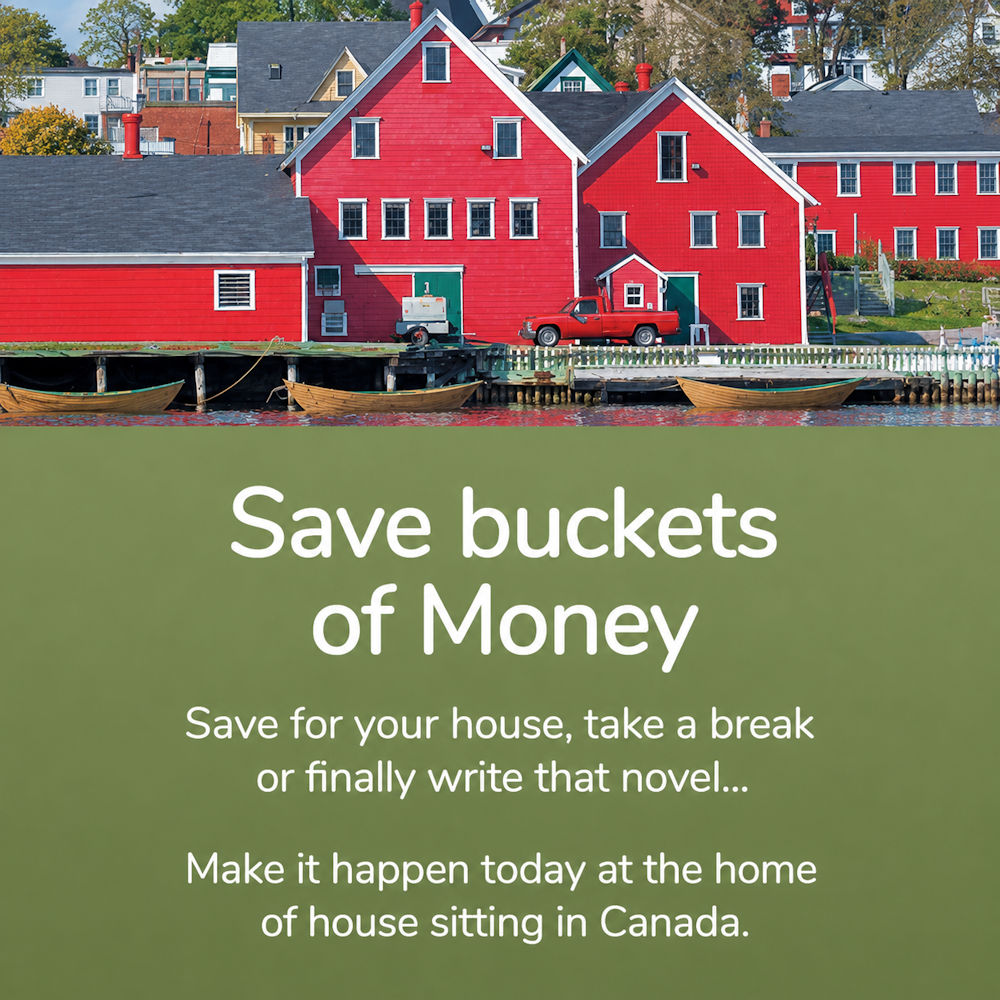


Between house-sitting and volunteering assignments, we stay in accommodations that are owned and operated by locals, including homestays, hostels and short-term rentals (STRs). This gives us home comforts like a (shared) kitchen to prepare meals and (ideally) our own bathroom. At the same time, we support local businesses and their owners. With the help and knowledge of our hosts, we get to see and learn about the local communities we visit in ways we never could if we stayed in an anonymous hotel or all-inclusive resort. Again, a win/win.






Platforms that list short-term rentals often get blamed for the detrimental impact of (the wrong types of) STRs on local communities (think locals being driven out of neighbourhoods they can no longer afford to live in). All these platforms have a responsibility, undeniably. But ultimately, it’s us travellers who choose where we stay.
Thus, do your research before you book: Does the host have hundreds of (other) listings? Or is the accommodation you want to book a room in (or an annexe to) their home?
While these questions are easy to answer for Airbnb listings, it requires a little more due diligence on other STR booking platforms: Do the description or reviews mention that the host lives next door or nearby? Do the reviews talk about in-person interactions prior guests had with the host/s?
If a listing sounds like it’s run like a corporate business, it likely is. These are the types of STRs that detrimentally affect local communities. And it’s these, we stay away from (and you should, too).
Alternative Accommodation Booking Platforms
If you're looking for more responsible accommodation choices, you may also want to consider alternative accommodation booking platforms, including
- bookdifferent, which rates Booking.com listings using third-party eco certifications and their own carbon footprint calculation;
- ecobnb, which rates properties listed using 10 environmental criteria;
- socialbnb, which lists accommodation and experiences that fund community projects; and
- vegvisits, which lists homestay-style accommodation offered by vegetarian and vegan hosts.
These platforms address specific shortcomings of mainstream platforms, but they also present challenges. For example, the family-run businesses we often stay in can't afford third-party certifications. The same hosts also need the broader reach of bigger platforms to achieve an occupancy that allows them to make a living.
Best ways to book Transportation
For us, travelling responsibly includes being mindful about (and limiting) our carbon footprint.
The best way to reduce our carbon emissions is by travelling less. We do that by focusing on one continent per year and staying as long as our visas allow (rather than jetsetting around the world every two weeks). When we do (have to) use transportation, we look for the most environmentally friendly and affordable option: trains and buses over planes, walking and public transport over ride shares, hire cars and private transfers.
We know that most of our readers are unable to travel at the same (slow) pace as we do. But even on a two-week vacation, you can travel slowly by spending more time in one place and exploring it thoroughly. Choosing your holiday destination (how you get there and how you get around) with your carbon footprint in mind is a crucial step everyone can take.



Best ways to book Experiences
Immersive, memorable experiences are among the key reasons we (all) travel, and they don’t need to cost the world. In fact, many things we see and do as we get to know a destination are FREE or cost very little – think of walks and hikes, self-guided or free city tours and swims in the ocean or lakes. Even many museums and other cultural attractions can be visited free of charge on specific days, like the first Sunday of the month in Rome.
And while we are talking about free and low cost experiences… It’s usually the people we meet on our travels who make a place memorable for years to come. If you’re open to meeting new people, learning about other cultures and sharing your story (which traveller is now?), you may also want to know about BeWelcome and Trustroots. These not-for-profit platforms connect hosts and (fellow) travellers who are interested in a true cultural exchange. What better way to get to know your destination in the company of locals who are happy to show you around?
A stranger is just a friend I haven’t met yet (Will Rogers)

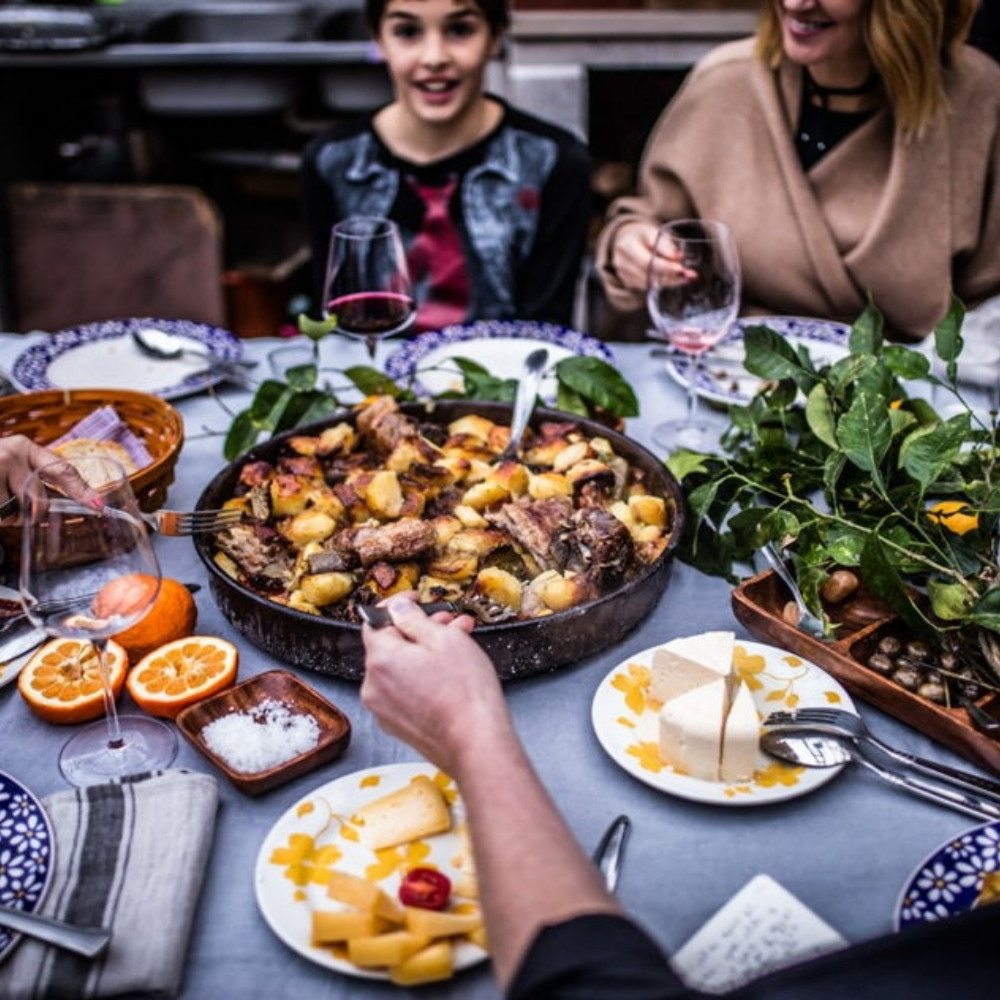






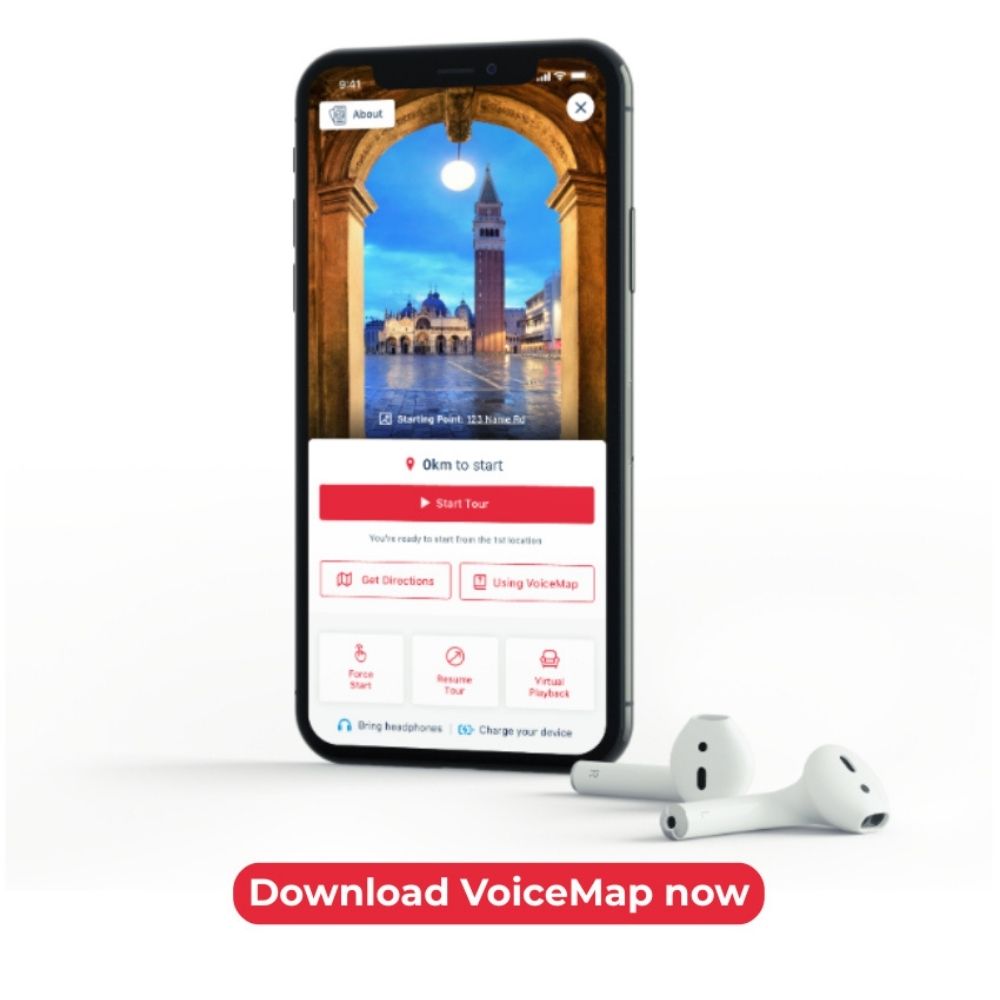
When we do a more expensive activity, it’s one that gives us value. And if there is a discount offer we can take advantage of, even better.
Whichever one we choose, we ensure that the experience is conducted responsibly and ethically. A wildlife encounter created for our entertainment (think of dancing monkeys, jumping dolphins, swimming with whale sharks or elephant rides) – no, thanks. A dirt-cheap boat tour that doesn’t pay its crew a living wage – not with us. Immersive experiences run by and benefitting locals (like cooking classes and artisan workshops) – count us in.
How good are OTAs in promoting ethical and responsible travel services?
Organising your travels independently means (to a large extent) using Online Travel Agencies (OTAs). Despite their reach (on both the supply and demand sides of travel), most OTAs are still far from being a driving force for ethics and sustainability in their supply chain.
What does this mean for us travellers? We must form our own judgement about the accommodation, transportation and experience options we book.

Make sure the experiences you book benefit the local community and don't harm wildlife
How do we know an experience is ethical and responsible? If it’s not mentioned on the operator’s website and/or in customer reviews (and independently verified through certifications), we ask (before we book). Questions we frequently ask include:
- Who owns the company (that provides the tour/experience)?
- How many of your employees (guides, drivers, cooks, etc) are locals?
- How do you minimise the impact (of the experience) on local wildlife?
- What is your average/maximum group size?
- How do you minimise (single use plastic and/or food) waste?
Anything that smells of greenwashing? We stay clear.
Ethical Standards of Online Travel Agencies
The standards and policies of the online platforms we use every day are (sadly) not (always) in line with (y)our expectations around ethical and responsible tourism. This is especially true for online marketplaces/OTAs focused on experiences.
As they are notoriously difficult to find, we include here the key policies of the experience-focused online platforms featured in our articles (for your reference):
- GetYourGuide - Safety, Ethical, and Legal Standards | Animal Welfare Policy
- Klook - Animal Welfare Policy
- Nomades - UN Global Compact Report (PBM Turismo SpA Parent Company)
- Viator - Product Standards | Animal Welfare Policy.
Best ways to go about your Travel Money
Accommodation, transportation and experiences usually take the biggest share of a travel budget. But foreign exchange fees and hidden conversion costs can quietly add up – especially when withdrawing cash overseas or paying in a currency that isn’t your own.
On our first three-month overseas trip together in 2012, we realised just how much this mattered. By being more deliberate about how we paid, which cards we used, and how we accessed cash, we saved over $600 in bank fees. That experience has shaped how we manage our travel money to this day.
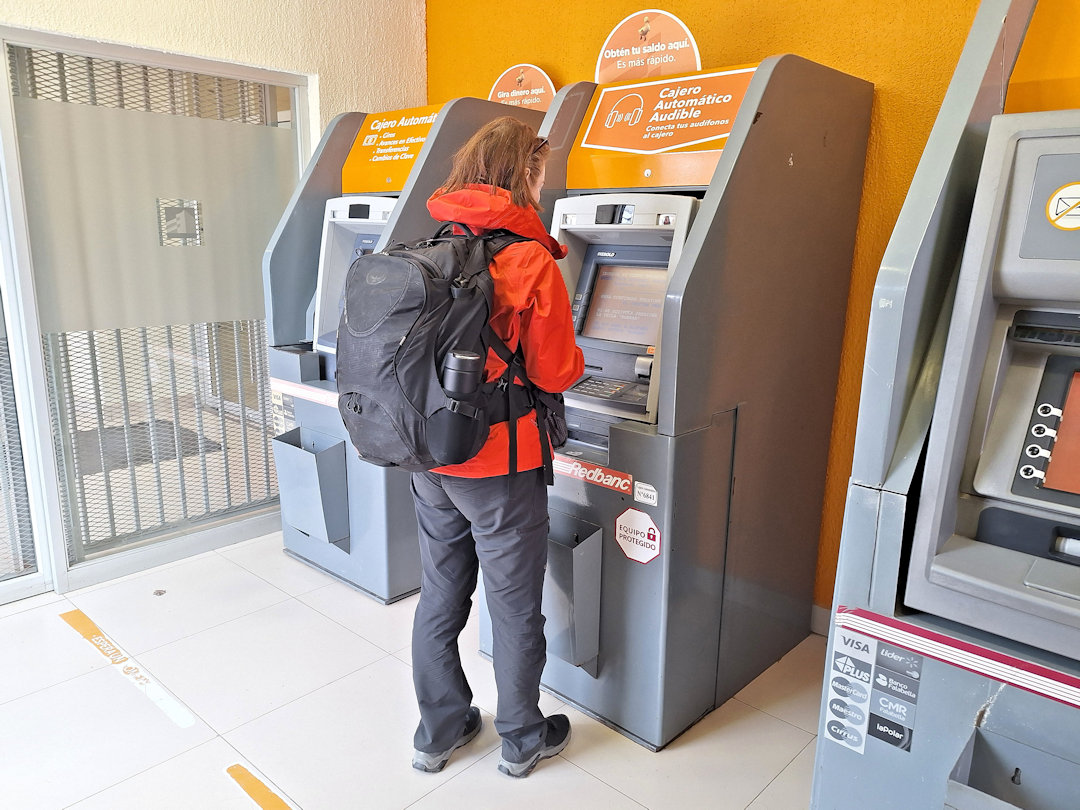
Foreign exchange, currency conversion and ATM withdrawal fees can eat into your Travel Budget without you even noticing it
The tools we use
Bankwest Debit Card and Zero Platinum Mastercard: Neither of these cards charge monthly/annual fees or international transaction / currency conversion fees. We often use our debit card to withdraw cash at our destination (in addition to the Wise Card). The credit card is a good back-up if the Latitude 28° Global Platinum Mastercard doesn’t work. We always pay our monthly credit card balance in full.
Latitude 28° Global Platinum Mastercard: We have used this credit card for our travels and overseas purchases since 2012. For Australian travellers who pay their balance off in full each month, it remains a useful backup and spending card thanks to its no-international-transaction-fees policy on purchases. We would not use it for cash withdrawals or ongoing borrowing, but for simple foreign-currency spending, it earns its place in our wallet.
Wise Multi-Currency Accounts and Wise Card (our primary setup): Wise allows us to receive, hold and manage money across multiple currencies without converting it (immediately). Money we earn as bloggers from around the world is simply credited into the respective currency account. And we pay for goods and services and/or withdraw cash using the Wise Card at our destination (as needed and within withdrawal limits).
XE Money: We use the XE app on our phones to check exchange rates before withdrawing or exchanging cash at our destination. It helps us understand what a fair rate looks like and avoid making poor conversion decisions. In some cases, XE offers more competitive international money transfer rates (than Wise) – so, if we need to move money between countries, XE is always worthwhile to check out.
PocketSmith: We use PocketSmith to track our (personal and business) finances across multiple currencies and accounts (through direct feeds into the PocketSmith application). When you’re managing multiple currencies and income sources, visibility matters. PocketSmith helps us understand where our money is coming from, where it’s going and how exchange rates impact our finances over time.




Best ways to go about Travel Insurance
We always buy travel insurance – for peace of mind:
- Since we carry (almost) everything we own, like turtles, on our backs, insuring our luggage (and everything in it) is like having home and contents insurance for your property.
- While we live a healthy, active lifestyle (and always get the vaccinations we need), accidents and unforeseen illnesses can happen. A hefty medical bill after being injured or hospitalised in a country with expensive healthcare, like the US, is not something we’re willing to risk.
Fellow content creators often recommend World Nomads or SafetyWing for travel insurance. While these can be decent options, pending your requirements, these are often only promoted because of the commissions they pay. Not because they’ve compared all the available options or because they’ve used World Nomads or SafetyWing and can speak from experience.
We use Insubuy.com. Why? Insubuy is a marketplace that lets us compare a wide range of travel insurance options (from multiple providers) side by side, making it easy for us to find a policy that meets our needs (including insurance for countries that are not covered by standard policies, as they’re considered higher risk).

Travel insurance comparison marketplace with licensed agents, helpful for comparing plans and buying cover for more complicated trips.


We never travel overseas without travel insurance - you just never know, and the cost of getting sick can add up quickly
Best ways to stay connected while travelling
Having reliable internet access while travelling isn’t about being online all the time – it’s about removing friction at the moments that matter.
We use it constantly in small, practical ways: booking transportation, messaging hosts about arrival times, confirming accommodation details, checking directions on maps, and staying in touch with family and friends. It also helps avoid unnecessary costs: Being able to compare transport options (instead of just taking a ride share or taxi), or check opening hours before you arrive can save both time and money.
Stay connected the moment you land
We use Airalo eSIMs on (almost) every trip to avoid roaming charges and the hassle of buying a local SIM. You can install your eSIM before you travel and get online as soon as you arrive. Airalo works in 200+ countries (we've used it across the Americas, Europe and Asia), but not everywhere - so check coverage before you buy.
New to Airalo? Use code NEWTOAIRALO15 for 15% off
Already a customer? Use AIRALOESIM10 for 10% off
What we use/d
On earlier trips, we would rely solely on the Wi-Fi at our accommodation and planned everything in advance. That worked okay (thanks to offline maps), but it also meant less flexibility once we were out for the day: If plans changed, we had to find public Wi-Fi to adjust.
Now, we prefer to have mobile data available from the moment we land, buying an eSIM with sufficient data for our on-the-road needs (not to stream videos). It reduces uncertainty on arrival, makes navigation straightforward and allows us to communicate easily with our hosts, using apps like WhatsApp. It’s also a simple way to avoid roaming charges and the hassle of buying a physical SIM at the airport. We still use the Wi-Fi at our accommodation for heavier tasks like research, up/downloads of images/videos, etc. And we still download offline maps – as back-up, in case we find ourselves in an area without mobile reception.
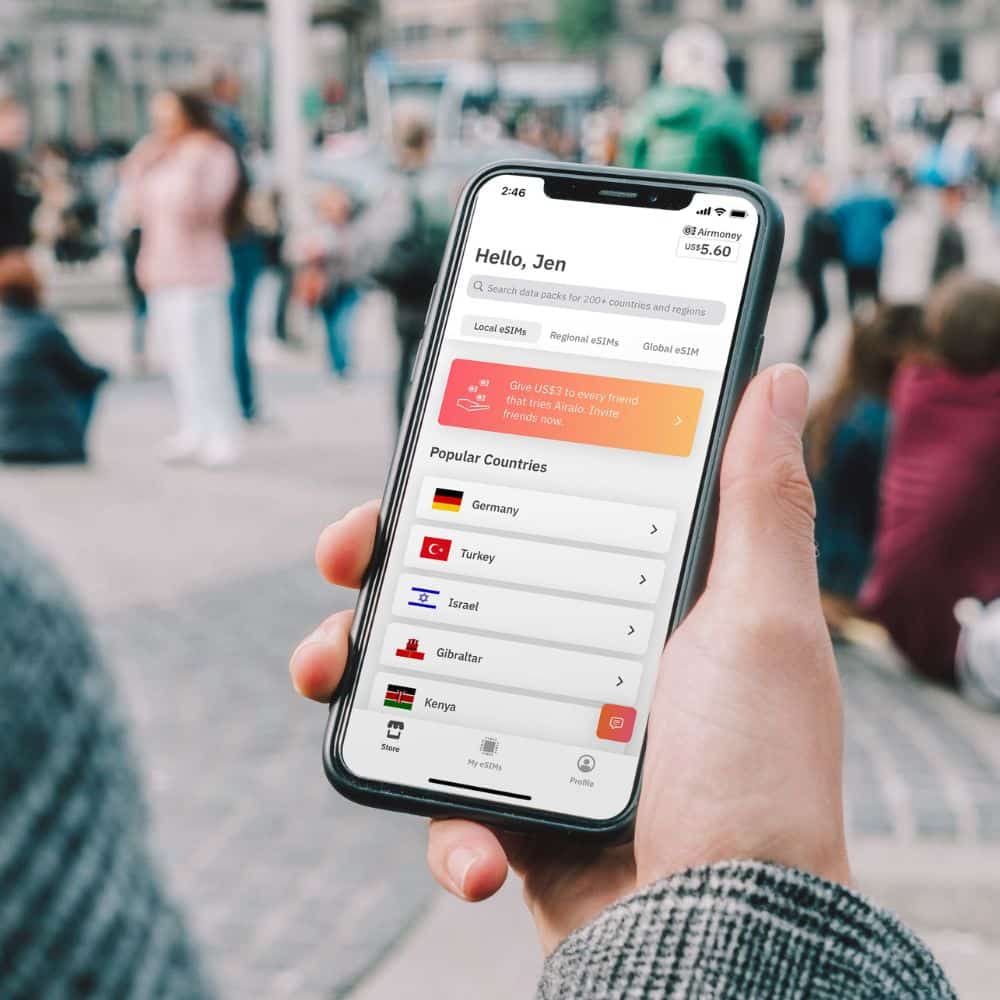
Stay connected, wherever you travel, at affordable rates| Airalo eSIMs are trusted by over 5,000,000 people worldwide.

Best ways to go about Luggage Storage
Arriving early or leaving late? We usually work around this by choosing accommodation that offers early check-in and/or late check-out or luggage storage before and/or after our stay. If that’s not available, transport hubs like train stations and airports (or shops nearby) often have self-service lockers or staffed storage spaces. As availability and reliability vary by location, it’s worth checking in advance.
What travel apps and tools are essential for you?
We regularly update this list as the websites and apps we use change from time to time. Likewise, we’re always on the look-out for tools that better meet our needs as responsible and budget-minded independent travellers. If you’ve come across a website or app that hits the mark, let us know.
Before you go, if you liked our article and found it helpful, we would appreciate it if you could share it with your friends and family via the Share buttons below. Even better: Leave a short review on Trustpilot or Google, which would help us further build our online reputation as a (trustworthy and helpful) travel and lifestyle blog.