

This article may contain links to products and services we use and recommend. We may receive compensation when you click on links to those products. For more information, see our Disclosure Policy.

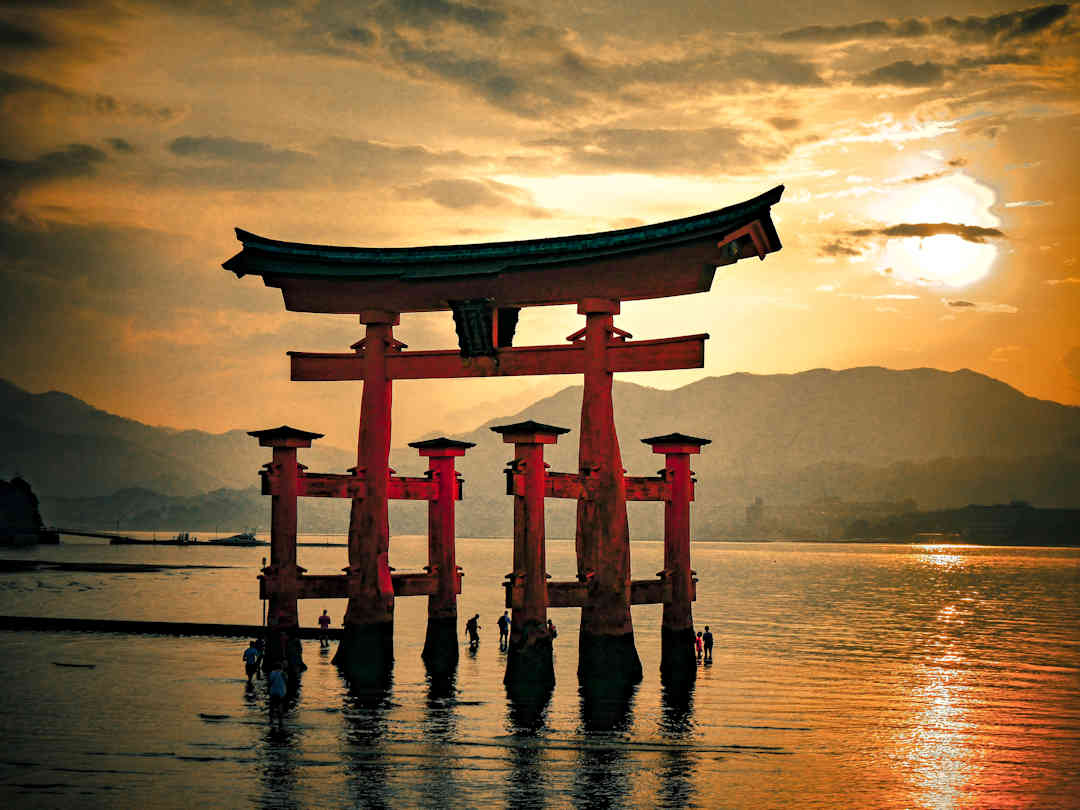
Hiroshima and nearby Miyajima Island should be on every traveller’s Japanese bucket list. From the iconic A-Bomb Dome [Google Maps location] in Hiroshima to the giant floating vermilion-coloured Torii off Miyajima [Google Maps location], there is an abundance of things to see and do. Whether you’re a history buff, a nature enthusiast or a foodie, our three-day itinerary will help you make the most of your time in this beautiful corner of Japan.
Are You Planning A Trip to Hiroshima and Miyajima?
Book your transportation to/from and around Hiroshima, keeping your carbon footprint in mind:
Find your perfect accommodation in Hiroshima and Miyajima with Agoda and Booking.com. We recommend these centrally located options:
When managing money across countries, we keep fees low and decisions deliberate. We use XE to check exchange rates, Wise to move and spend money internationally, and PocketSmith to track where it all goes.
Buying travel insurance can feel overwhelming. Start by reading our buyer's guide to finding insurance that suits your needs. Then compare options on the Insubuy marketplace (with all the information you need to find the one that's right for you).
Explore the wonders of Hiroshima and Miyajima with the best tours and activities powered by GetYourGuide and Viator. We recommend these sustainable options with local providers:
How much time should you spend in Hiroshima and Miyajima?
Our short answer would have to be: As long as you can afford it, there is plenty to see and do.
That said, we know many people wonder whether to include Hiroshima and Miyajima in a two- or three-week trip to Japan. If that’s you, we recommend setting aside three days, which will give you a good introduction to the area.
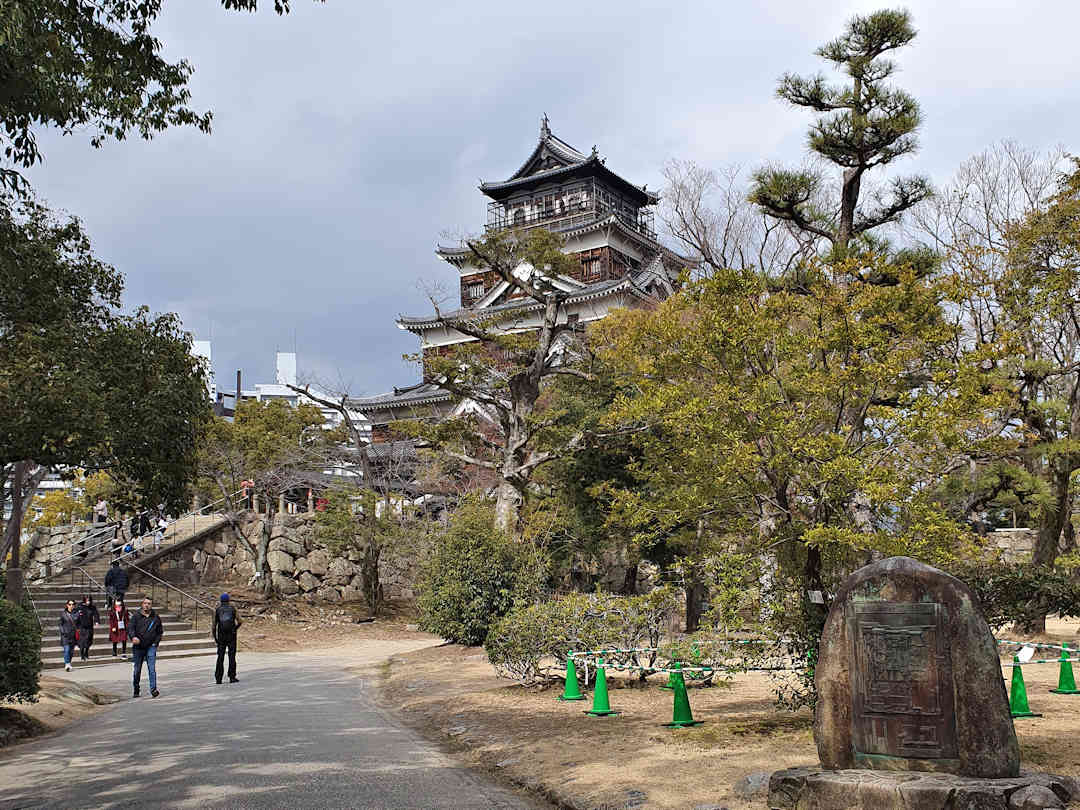
Among our absolute favourites, Hiroshima is welcoming and friendly with wonderful people
Map of Accommodation, Points of Interest, Eateries and Transport
Below is a map of the recommended accommodations, points of interest, eateries, and transport terminals or stops mentioned in this article.
When is the best time to visit Hiroshima and Miyajima?
Based on our own experience, we recommend visiting between mid-February and mid-March:
- It will be chilly at night, but the days are (mostly) sunny with maximum temperatures in the high teens (Celsius).
- While you will miss the cherry blossom season, it’s a good time to see the plum trees in bloom, which is also very beautiful.
- It’s oyster season – an excellent opportunity to indulge in some local delicacies.

Mid-February to mid-March is a great time to visit Hiroshima and Miyajima - the plum trees are in bloom, and it's oyster season
In Autumn (especially the first half of November), you can experience the foliage changing colours, offering a stunning display of nature’s beauty.
If you prefer it to be a little warmer (and you don’t care so much about oysters, spring blossoms or foliage colours), May (except during Golden Week) and October are also great periods.
We recommend avoiding
- the cherry blossom season (usually the second half of March) and Golden Week (the first week of May), which are way too crowded to be enjoyable, and
- the summer months (June to September) are not only very crowded but also (uncomfortably) hot and humid.

Autumn is another great season to experience Hiroshima and Miyajima | Photo by Andy Jarrige on Pixabay
How to get to Hiroshima and Miyajima
Hiroshima is easy to reach by train thanks to its position on the Sanyo Shinkansen route between Osaka and Fukuoka (Hakata). The journey takes around 1 hour and 30 minutes from Shin-Osaka, just under 2 hours from Kyoto, and about 4 hours from Tokyo. If you do not have a JR Pass, it is also worth checking whether a discounted train ticket is available for your route.
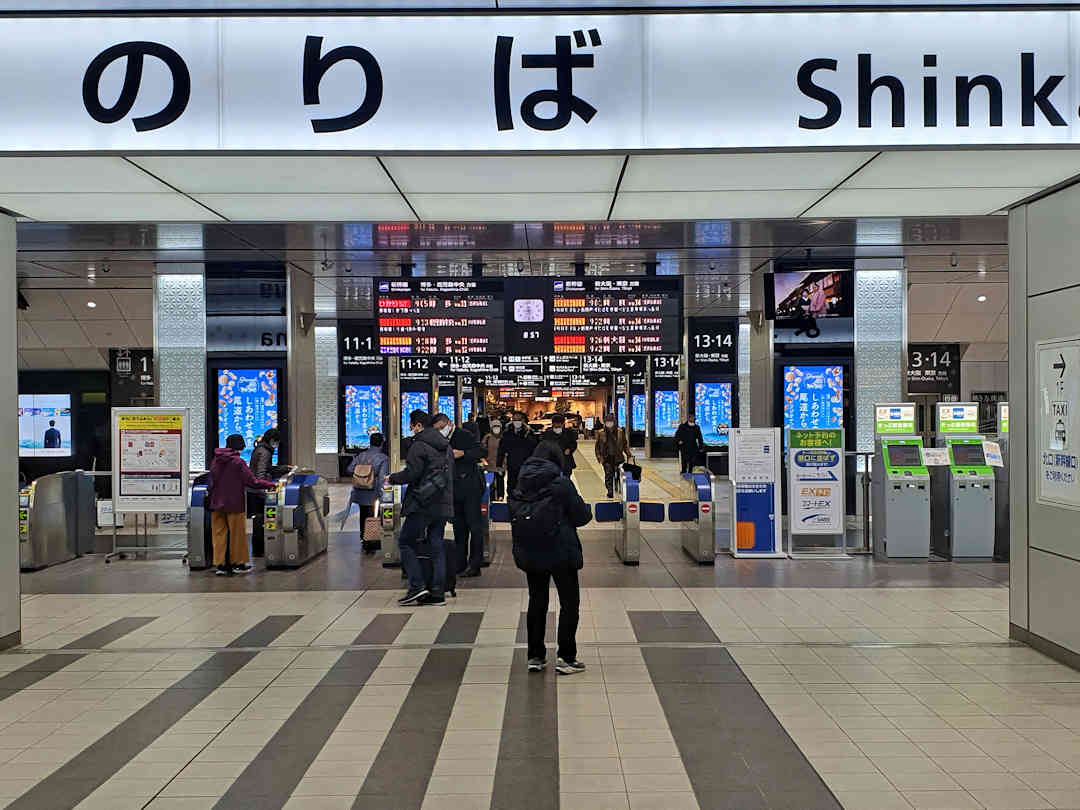
Hiroshima is conveniently located on the Sanyo Shinkansen route between Osaka and Fukuoka (Hakata)
Once you arrive in Hiroshima, Miyajima is straightforward to reach. Take the Sanyo JR Line to Miyajimaguchi Station, then walk to the waterfront and ferry terminal. The ferry crossing to Miyajima takes about 10 minutes.
Two ferry operators serve Miyajima. The JR Pass is only valid on the JR West Ferry, so if you are not using a JR Pass, or you plan to take the other ferry, you will need to buy a separate ferry ticket or use your IC card.
To work out the best way to get to Hiroshima and onward to Miyajima, use the search tool below to compare current routes, fares, and travel times.

Only the JR West ferry to Miyajima is covered by the JR Pass
What are IC cards?
In Japan, you will often encounter the term IC card (IC stands for Integrated Circuit). IC cards are essentially plastic cards that can be topped up, and the amount stored on the card is used for transportation—simply by tapping on/off at the card reader—and increasingly at convenience stores and other places.
Each region issues their version of the IC card; for example
- If you enter via Narita Airport or Haneda Airport in Tokyo, you will buy the Suica IC Card.
- You can purchase the ICOCA card upon entering Osaka Kansai Airport.
Fortunately, 10 of the most common IC cards (including the two above) can be used across regions (and likely more will be added over time). Some areas (including Nagano and Okinawa prefectures) only allow their own IC card (at this stage) or cash.
- Cards (including any stored funds) expire after 10 years of non-use, but you can reuse them if you return to Japan within that timeframe.
- You can return it (and get a refund to the card for the money you spent plus the deposit you paid for the card itself)—as long as it's in the region where you bought it.
- You can load the IC card onto your smartphone via Apple Pay or Google Pay, but you won't be able to get a refund for your deposit or any funds stored when you leave the country.
How to get around Hiroshima and Miyajima
Hiroshima sits in the delta of the Ōta-gawa River as it enters the Seto Inland Sea, making it easy to explore the city on foot and by bicycle. Hiroshima also has a convenient public transportation system, comprising streetcars, JR trains, the Astram Line and buses.
While the sights on Miyajima are all within walking distance from the ferry terminal, Miyajima is a very mountainous island, and some sights on this itinerary include walking uphill. There is a ropeway partway up Mt. Misen, providing access to the Mount Misen Observatory [Google Maps location]. However, please note that the ropeway is closed for maintenance twice a year for a few weeks (February/March and June/July). If the ropeway operation is essential to you, check the website and/or contact the ropeway operator before your visit.

Hiroshima boasts a convenient public transportation system, including a number of tram lines | Photo by Djedj on Pixabay
Day 1 – Travel to and first exploration of Miyajima
Today you will travel by train to Miyajimaguchi Station [Google Maps location], with a change at Hiroshima Station [Google Maps location]. This journey can be combined with a stopover in Kobe and/or Himeji if desired.
Once in Miyajimaguchi, walk to the Ferry Terminal and take the ferry across to Miyajima. Upon reaching the island, drop off your luggage at your accommodation and then head straight to the Daishō-in temple complex [Google Maps location] (the temple closes at 17:00).

Like Koyasan, Daishō-in on Miyajima was founded by Kōbō-Daishi in 806
The complex is built into the mountainside above Itsukushima-jinja [Google Maps location], the shrine with the giant floating torii that you’ll pass on the ferry over. Daishō-in is one of the most important temples of the Shingon School of Buddhism. Like Koyasan [Google Maps location] in the mountains of the Kii Peninsula in Wakayama, it was founded by the monk Kūkai (posthumously known as Kōbō-Daishi) in 806. Take your time exploring the grounds and temple structures – it’s a truly serene place.
Afterwards, enjoy watching the sunset overlooking the Giant Torii. We also recommend buying provisions for the next day at Foods Shop KUMAKIN [Google Maps location] (closes at 19:00).
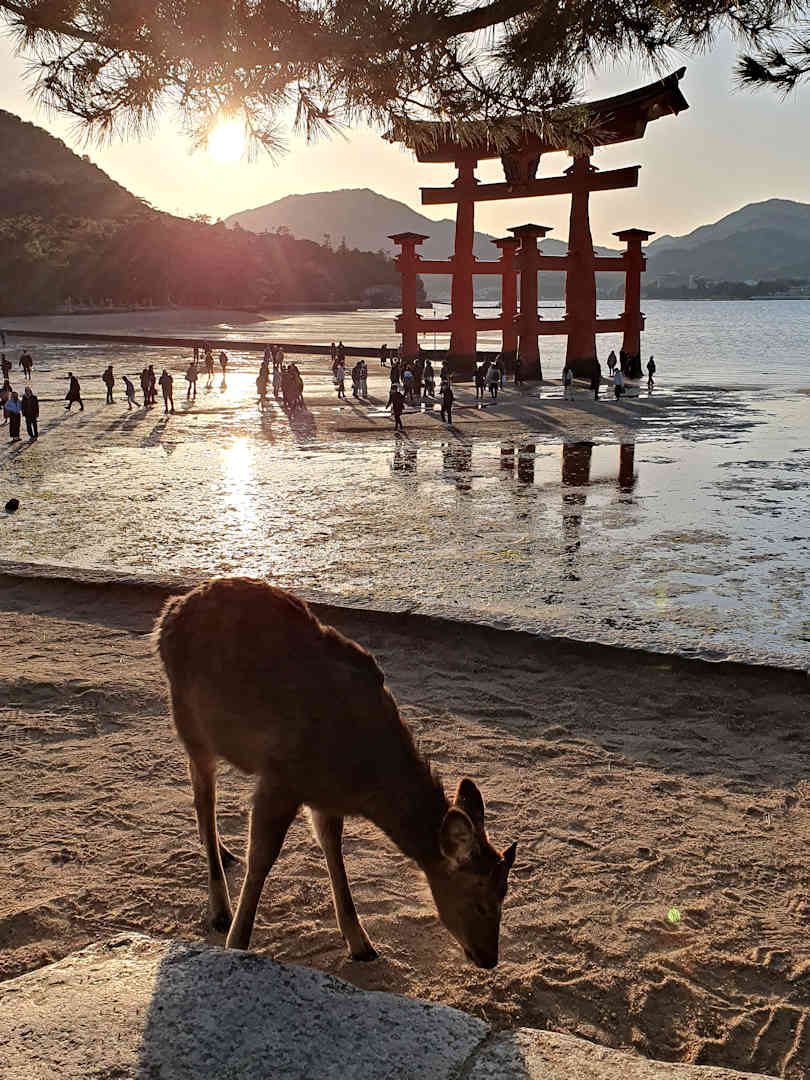
The Itsukushima-jinja Otorii on Miyajima is especially magnificient at sunset, and if the tide is low, you can even walk through it

Where to stay on Miyajima Island
When booking your accommodation, be sure to request a late check-out.
For accommodation, it pays to shop around and compare like with like. When we book, we check several platforms to find the option that offers the best overall value, and we also look closely at what is and isn't included. Tourist taxes, cleaning fees, breakfast, cancellation terms, and payment timing can vary, so always read the fine print before you book.
If you want to see which booking platforms we use and why, visit our Accommodation Travel Resources. Below are our recommended places to stay, well-located for public transport and the main points of interest.
| Name | Property Features | Type | Price Indicator | Book Now |
|---|---|---|---|---|
| Miyajima Guest House Mikuniya | Traditional Japanese-style guesthouse Shared kitchen, lounge and private baths Japanese garden and bicycle rental | Guesthouse | $$ | Book Now |
| Sakuraya Miyajima | Walk to ferry terminal and Itsukushima Shrine Public bath and self-service laundry Japanese-style rooms with tatami and futons | Inn | $$ | Book Now |
What and where to eat on Miyajima
We recommend Okonomiyaki Kishibe [Google Maps location], known for its Hiroshima-style Okonomiyaki (The restaurant is closed on Thursdays and Fridays). Or, if you’re craving Miyajima specialities, such as delicious oysters and conger eel (anago), Mikotoya [Google Maps location] is the place to go (closed Sundays and Mondays).
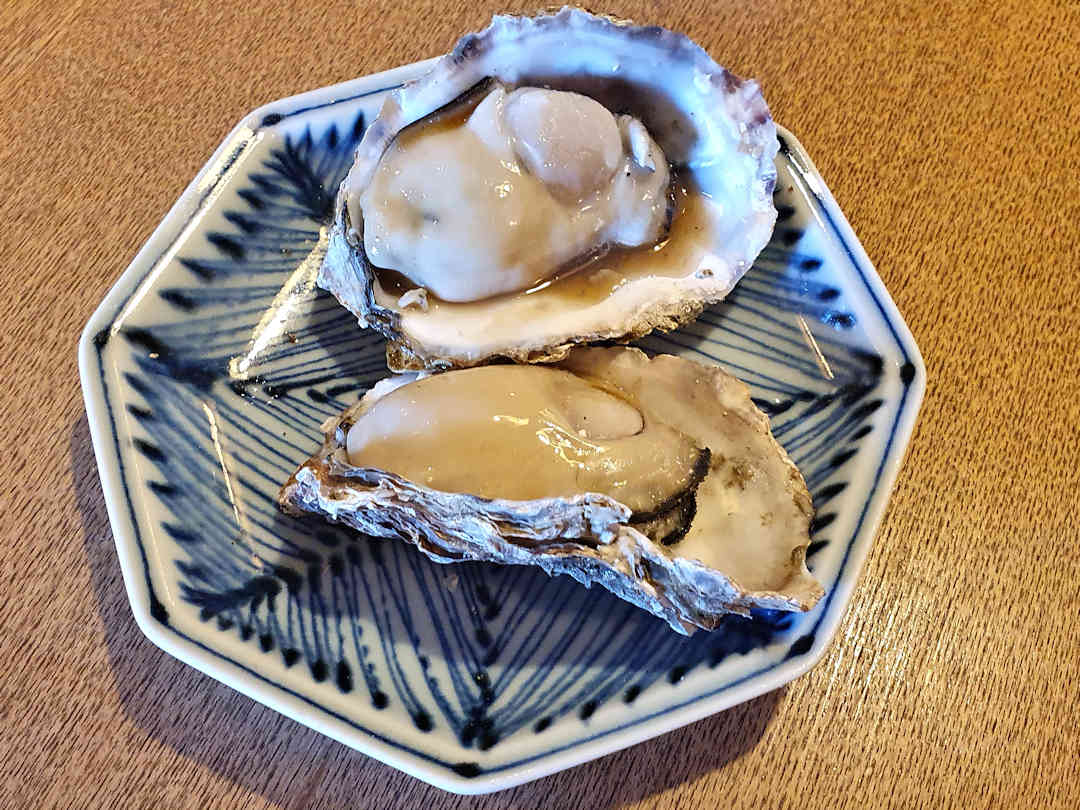
If you happen to visit Miyajima during oyster season make sure you try some - they are delicious
Miyajima deer advice
You’ll notice the beautiful Sika deer as soon as you arrive on Miyajima Island. Sika deer are native to Japan, and approximately 500 of them roam freely around Miyajima.
While the deer may appear tame (and indeed some may come a bit too close for comfort), they are, in fact, wild animals. Those living in the forests around the island avoid humans, and that’s how it should be. Disturbing the deer, taking selfies up close or even worse, feeding them, alters the deer’s behaviour and puts them in harm’s way.
Unfortunately, a lot of tourists coming to Miyajima get up close and personal with the deer, just for the sake of an Instagram shot. Please don’t be one of them. Observe them from a distance and refrain from feeding them. It is an offence to feed the deer, and there are numerous posters and signs requesting tourists not to do so.
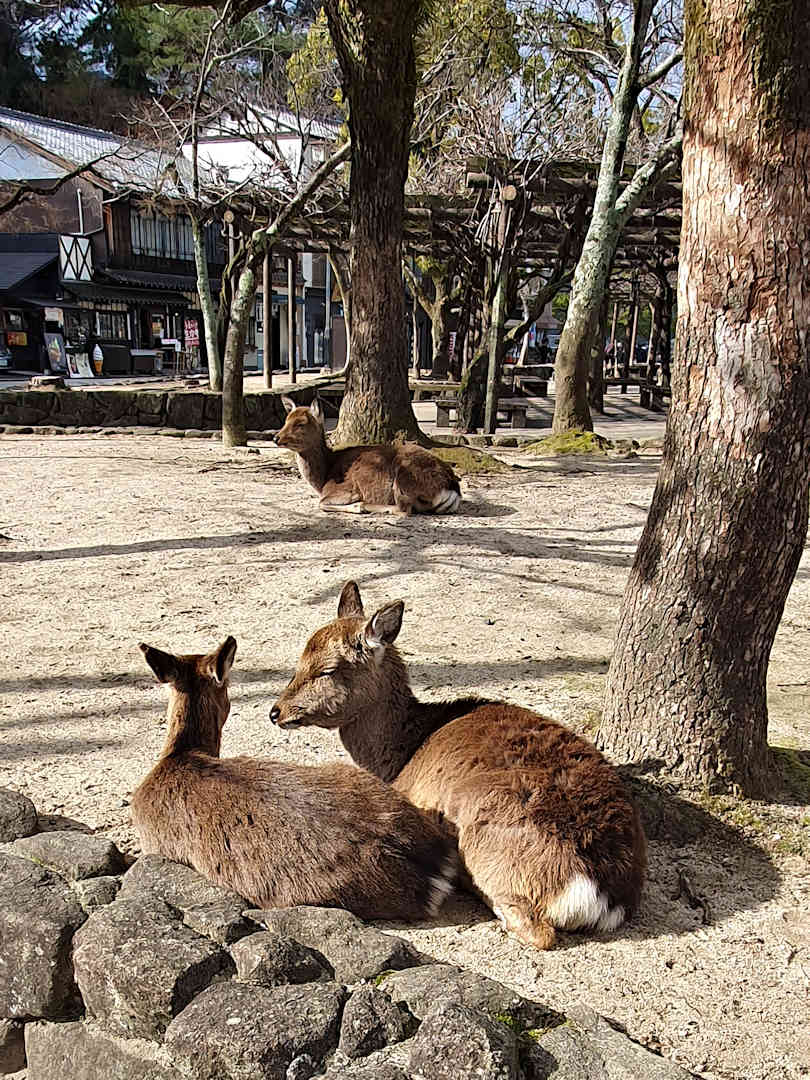
The deer on Miyajima are wild animals - Give them space and don't feed them
Day 2 – Miyajima and Hiroshima
This morning, you’ll be hiking up Mt Misen, the sacred mountain of Miyajima.
It’s a 3-hour round trip (approximately 8 kilometres with a 490-metre elevation gain) – we recommend hiking the Momijidani Course up (approximately 2 hours) and the Daishō-in Course down (approximately 1 hour).
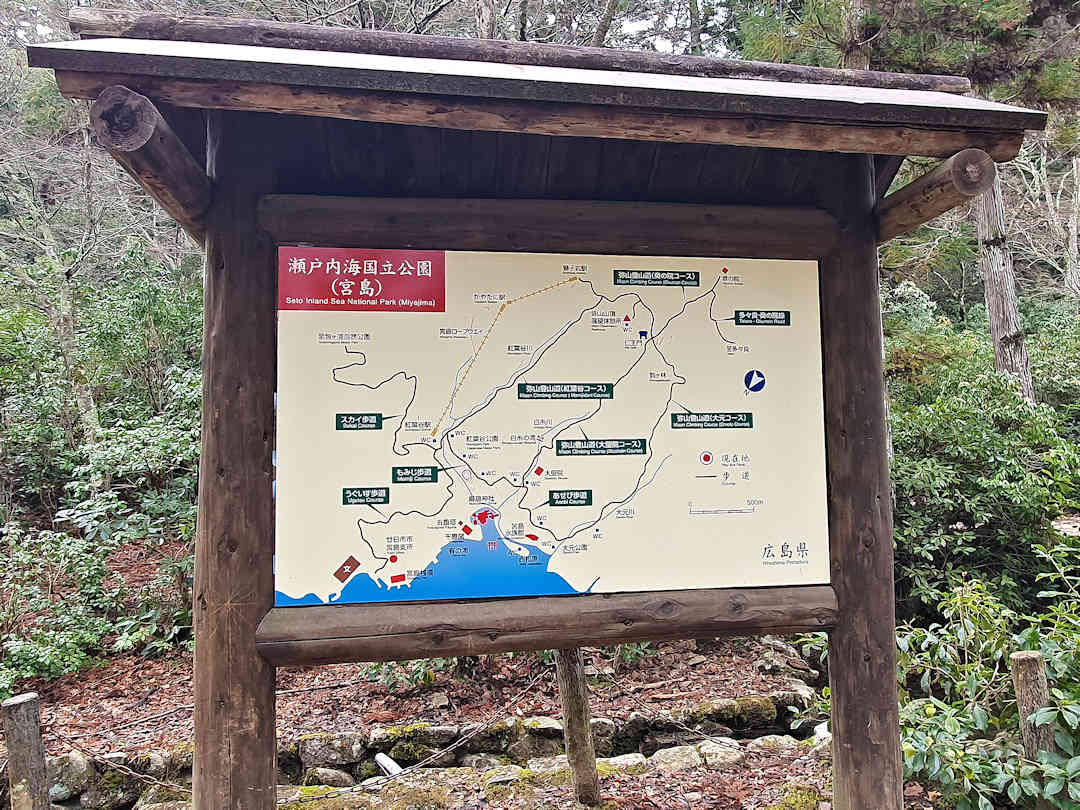
With a number of hiking trails leading to its summit, sacred Mt Misen on Miyajima is a paradise for nature lovers
The ropeway opens at 09:00, so aim for a 07:00 to 07:30 start of your hike to reach the top before the first ropeway users arrive. The hike is categorised as moderate. It requires a basic level of fitness and reasonably healthy knees, as the hike involves a significant amount of walking up and down stone steps.
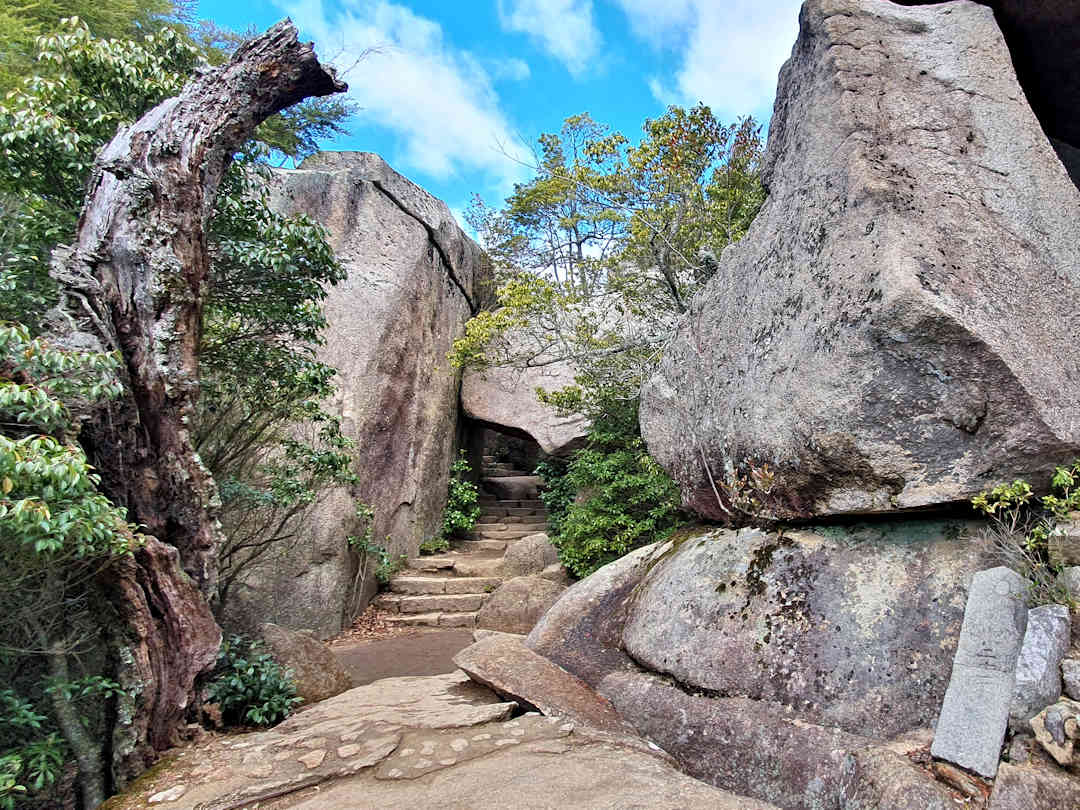
Hiking Mt Misen involves walking up and down a huge number of stone steps - bring hiking poles to make it easier on your knees
Kūkai himself used Mt Misen for ascetic practice. The fire lit by Kūkai 1,200 years ago still burns to this day in the Kiezu-no-Reikado pavilion [Google Maps location] near the summit (unsurprisingly, the structure is covered in soot). The fire was also used to light the Flame of Peace [Google Maps location] at the Peace Memorial Park in Hiroshima.
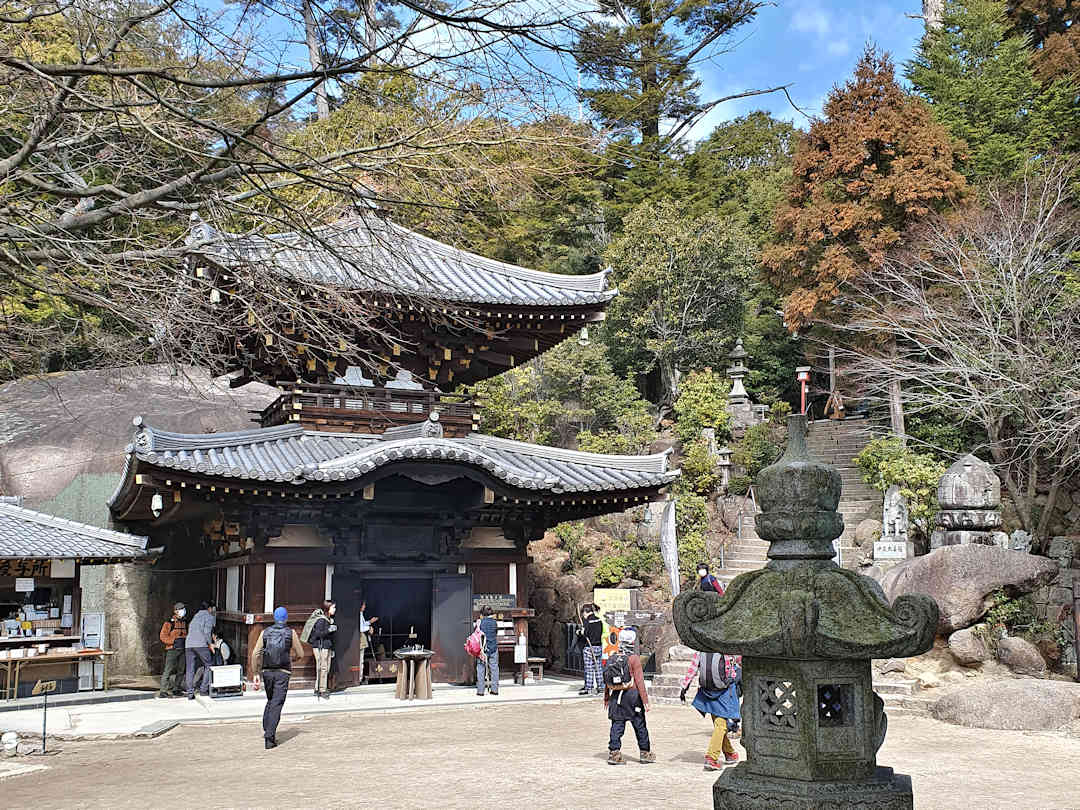
The fire lit by Kūkai 1,200 years ago still burns to this day in a pavilion near the summit of Mt Misen
If you prefer not to do the whole hike, you can still experience the beauty of Mt Misen by taking the ropeway to the top. In this case, check out before you head to the ropeway (and ask your accommodation to keep your luggage for a few hours).
Reaching the ropeway still requires an uphill walk of approximately 1.5 kilometres. The ropeway ride itself takes about 15 minutes. Once at the top, you can visit the Shishiiwa Observatory (100 metres above the top ropeway station) or continue hiking to the summit of Mt Misen (approximately 1 kilometre or 30 minutes largely uphill) for stunning 360-degree views over the Seto Inland Sea.
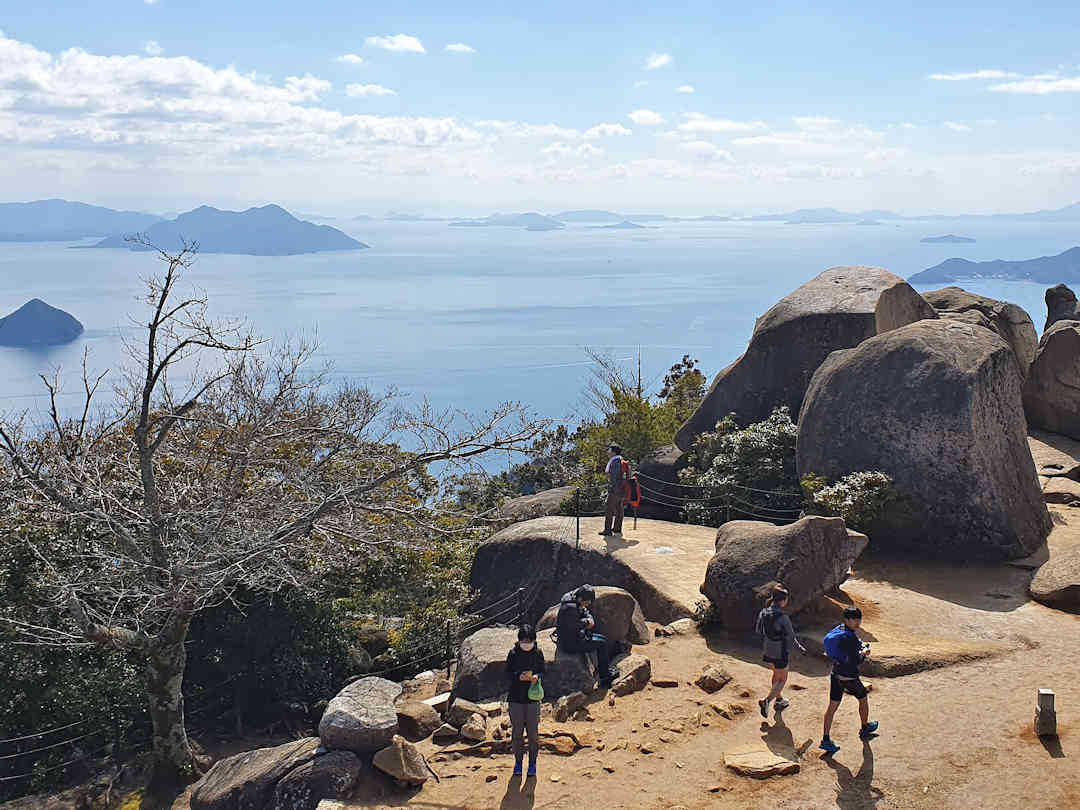
The summit of Mt Misen offers stunning 360 degree views over the Seto Inland Sea
Afterwards, head back to your accommodation for a shower before check-out and/or to pick up your luggage before heading to the ferry terminal.
If you’re looking for an edible souvenir of the island, buy a box of Momiji Manju (a sweet in the shape of a maple leaf, available with a variety of fillings – our favourites were smooth red bean paste and lemon curd).
Take the ferry back to the mainland, then the train back to Hiroshima, and check into your accommodation for the night.
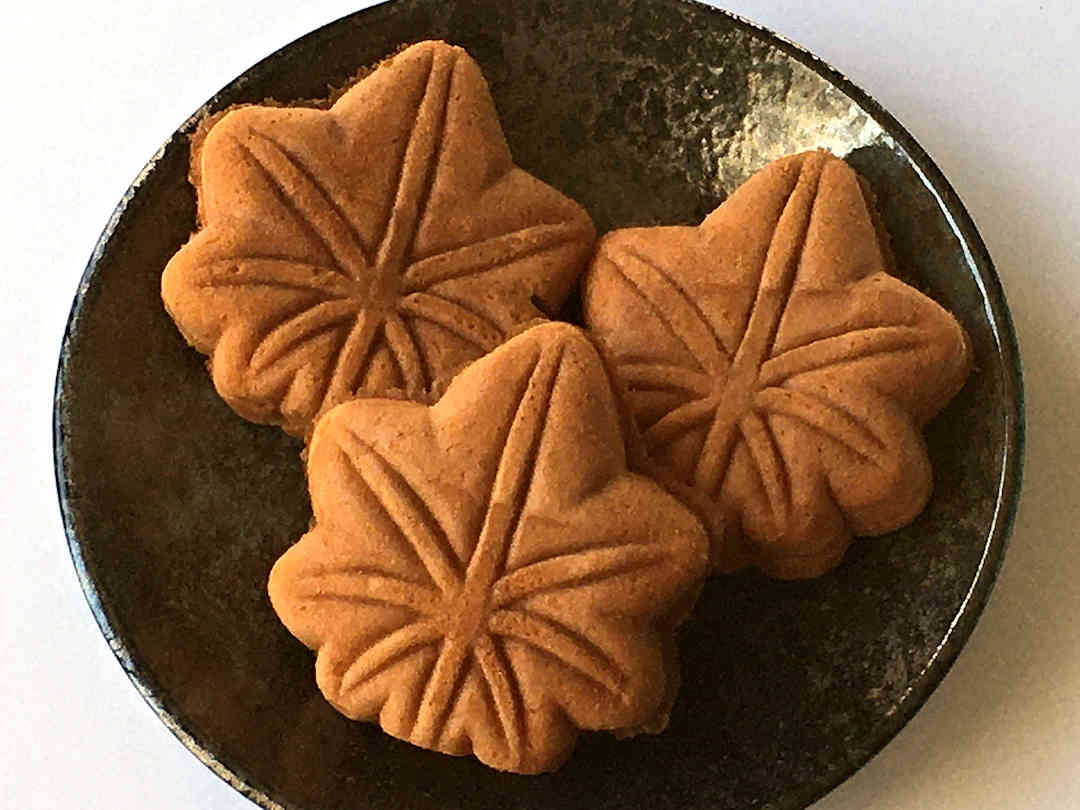
Before you leave Miyajima, make sure to taste Momiji Manju, a maple-leaf-shaped sweet available with a variety of fillings | Photo by Wiki Commons
Where to stay in Hiroshima
Our accommodation recommendations for Hiroshima are all close to the sights on this itinerary:
| Name | Property Features | Type | Price Indicator | Book Now |
|---|---|---|---|---|
| Rihga Royal Hotel Hiroshima | Walk to Peace Memorial Park and Atomic Bomb Dome Indoor pool, laundry corner and parking City views from upper floors | Hotel | $$$ | Book Now |
| WeBase Hiroshima | Walk to Peace Memorial Park and Hondori Shared kitchen, lounge and laundry Private rooms and dorm beds available | Hotel | $$ | Book Now |
| Mitsui Garden Hotel | Walk to Peace Memorial Park Top-floor lounge with city and sea views Self-service laundromat | Hotel | $$$ | Book Now |
What and Where to Eat in Hiroshima
Hiroshima is known for its style of Okonomiyaki. Try it at Rokutsuboya in Noboricho [Google Maps location] (closed Sundays) OR Okonomimura [Google Maps location].
Another must-try speciality is Hiroshima beef. Great places include Rokutsuboya in Noboricho (closed on Sundays), Fuoco Yakiniku in Tatemachi [Google Maps location], or Aohige [Google Maps location], located near the A-Bomb Dome.
If you missed out on Miyajima oysters or conger eel, Ekohiiki [Google Maps location] is an Izakaya restaurant near the A-Bomb Dome where you can try both.
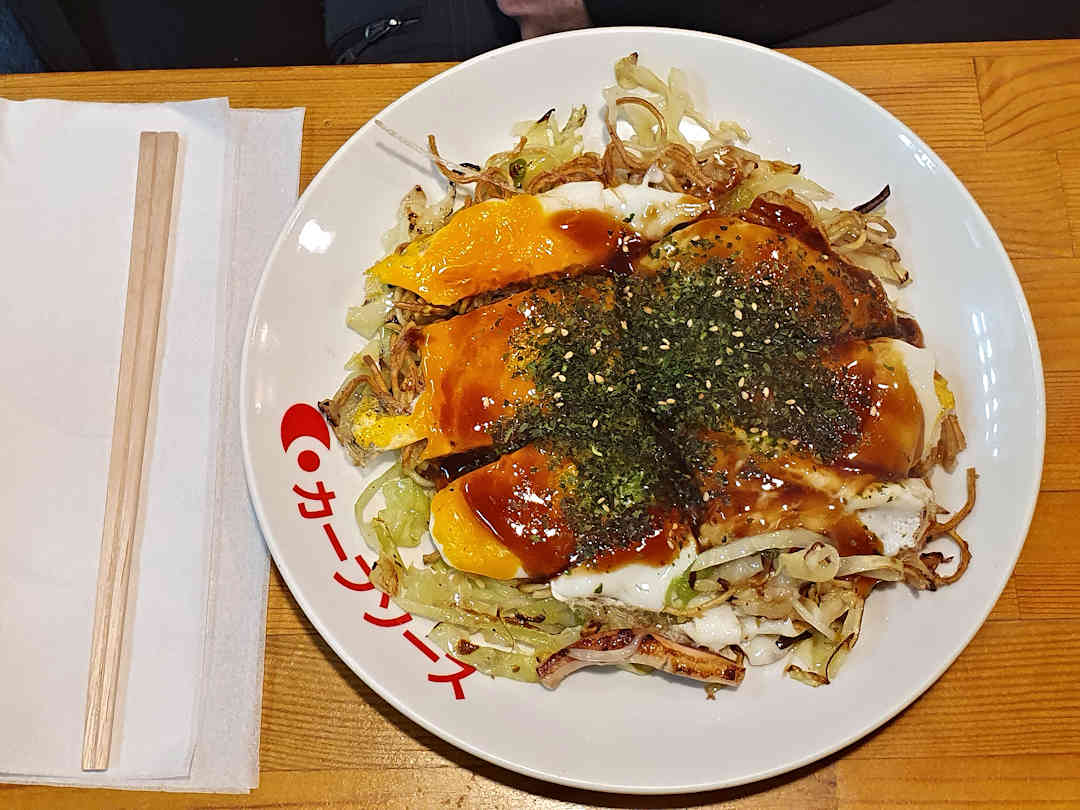
Hiroshima has its own style of Okonomiyaki, which we preferred over the Osaka style. What do you think?
Day 3 – Hiroshima
Today is all about exploring the beautiful city of Hiroshima. So, after breakfast, check out of your accommodation and ask them to store your luggage for the day.
Your first stop will be the Peace Memorial Museum [Google Maps location] housed in two connected buildings near the southern end of the Peace Memorial Park. Take your time exploring the exhibits as you learn more about the events leading up to the atomic bomb, the immediate aftermath, the city’s rebuilding and the lasting impact of the bombing on the town and its people.

The Peace Memorial Museum is a must-see for those visiting Hiroshima
Make sure to join the talks with the descendants of survivors if you have the opportunity.
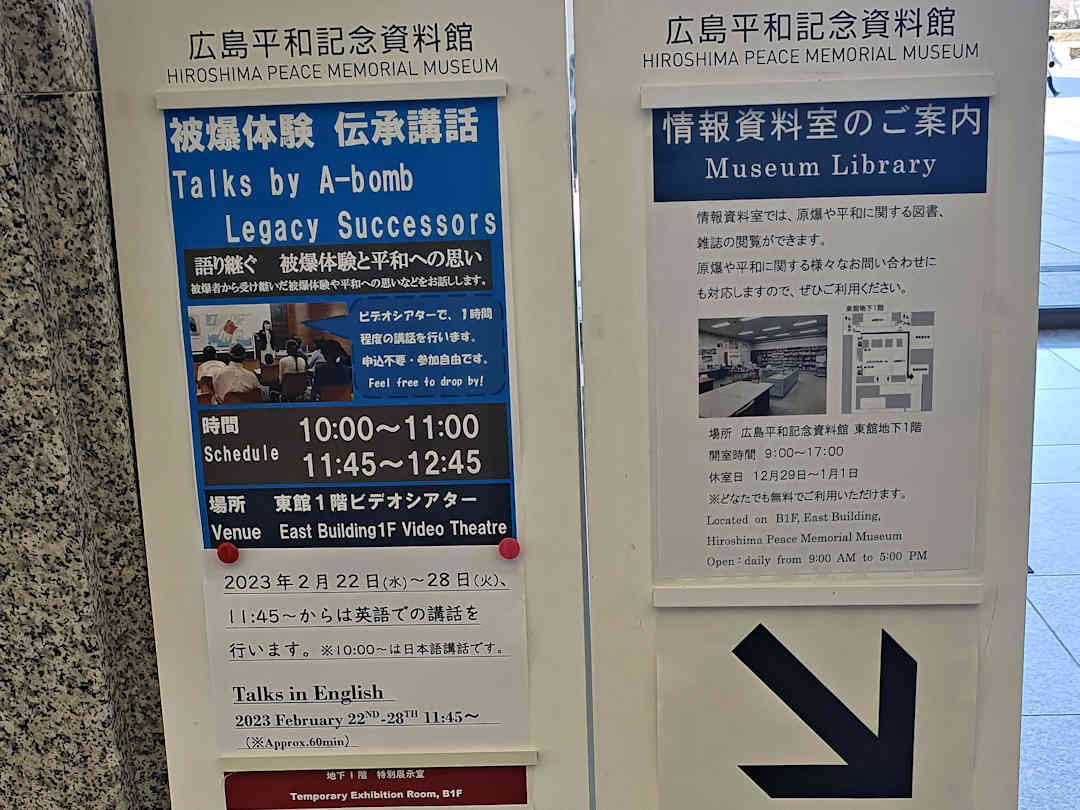
Join talks with the descendants of A-bomb survivors if you have the chance
Afterwards, if you need a bite to eat or just a break to let it all sink in, the museum features a lovely, simple café on the ground floor.
After your museum visit, take a stroll through the Peace Memorial Park, making sure to stop and pay your respects at the Hiroshima Victims Memorial Cenotaph, the Hiroshima National Peace Memorial Hall, and the Children’s Peace Monument.
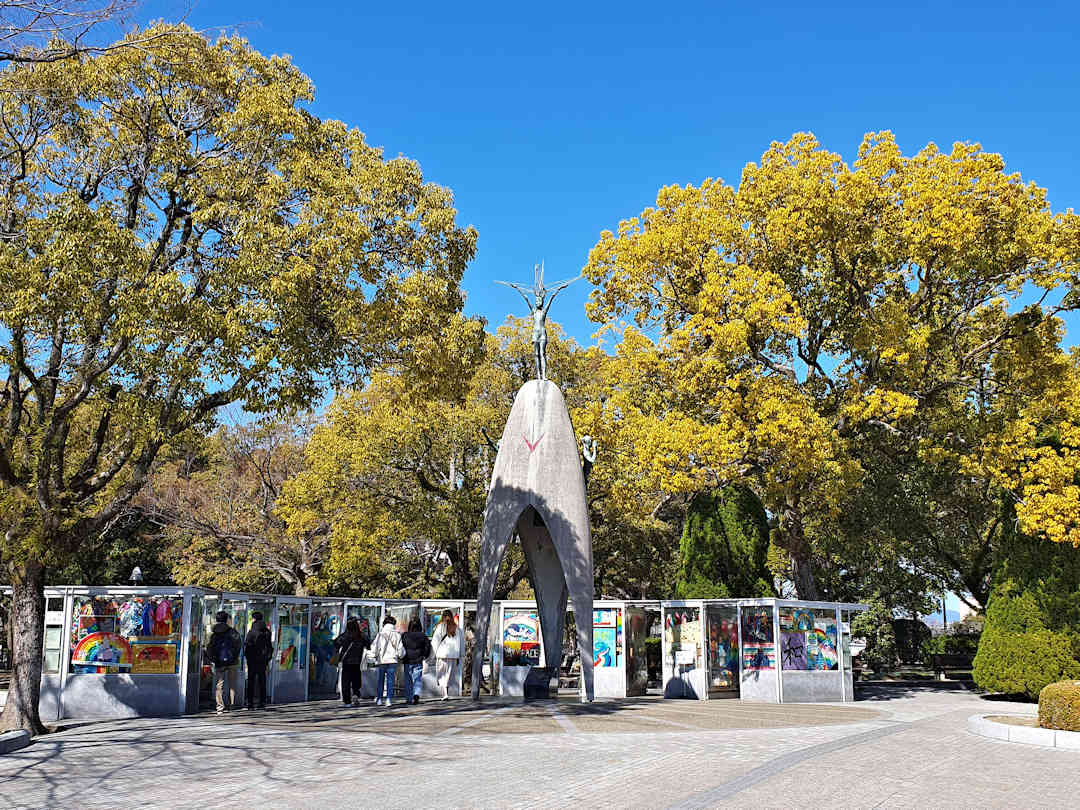
Make sure to visit the Children’s Peace Monument at the northern end of Hiroshima's Peace Memorial Park
Finally, cross Motoyasu Bridge and pay your respects at the Atomic Bomb Dome [Google Maps location] and the Hiroshima Atomic Bomb Hypocenter [Google Maps location] a block to the east – powerful symbols of peace for current and future generations.

Make sure to pay your respects at the Cenotaph and A-Bomb Dome when visiting Hiroshima
In the afternoon, consider visiting Mitaki-dera Temple [Google Maps location], a small temple complex in the hills to the north of the city centre. It takes approximately 20 minutes by public transport to reach Mitaki Train Station, followed by a 15-minute uphill walk from there.
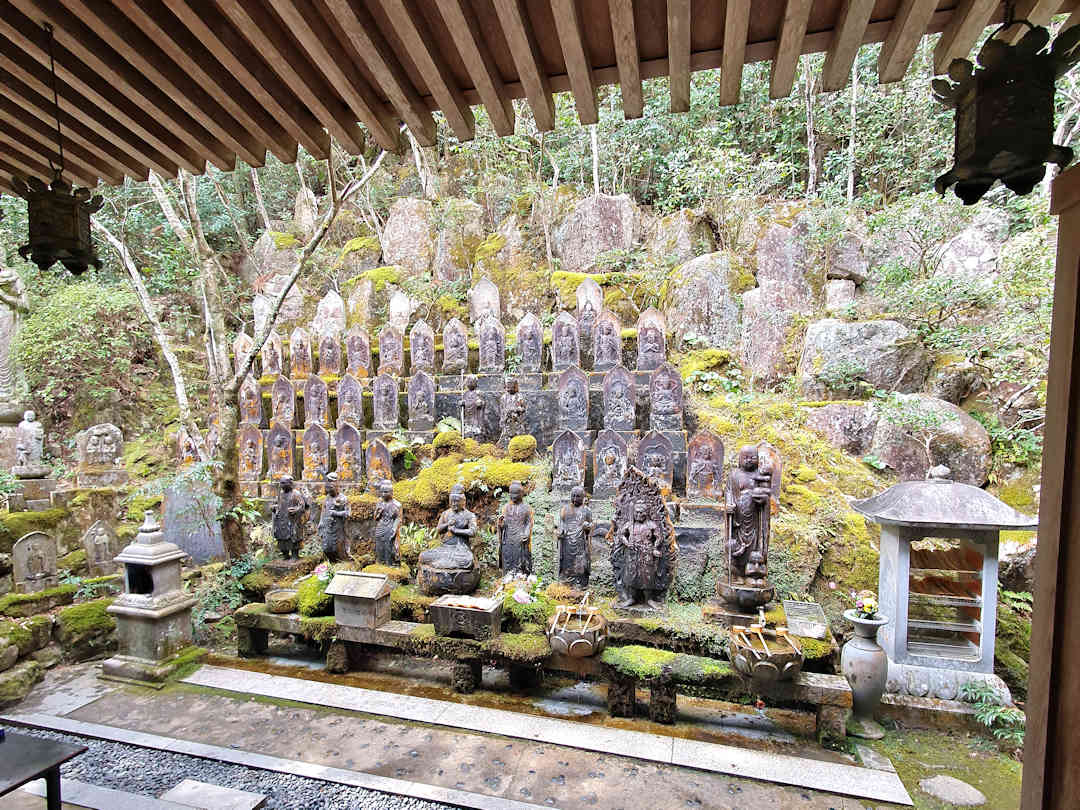
Mitaki-dera Temple is a tranquil oasis north of Hiroshima's city centre
The temple complex is beautifully tranquil with forest paths meandering along streams and waterfalls, between old temple buildings and shrines (some of which survived the A-Bomb blast), and past countless Buddha statues and rock carvings. There is also a stunning 16th-century pagoda which was brought here after the bombing for the spiritual support of the people of Hiroshima.
End your visit with a stop at the lovely Mitaki-dera Temple Tea House [Google Maps location] before you return to your accommodation to pick up your luggage and head to Hiroshima Station for your onward journey.
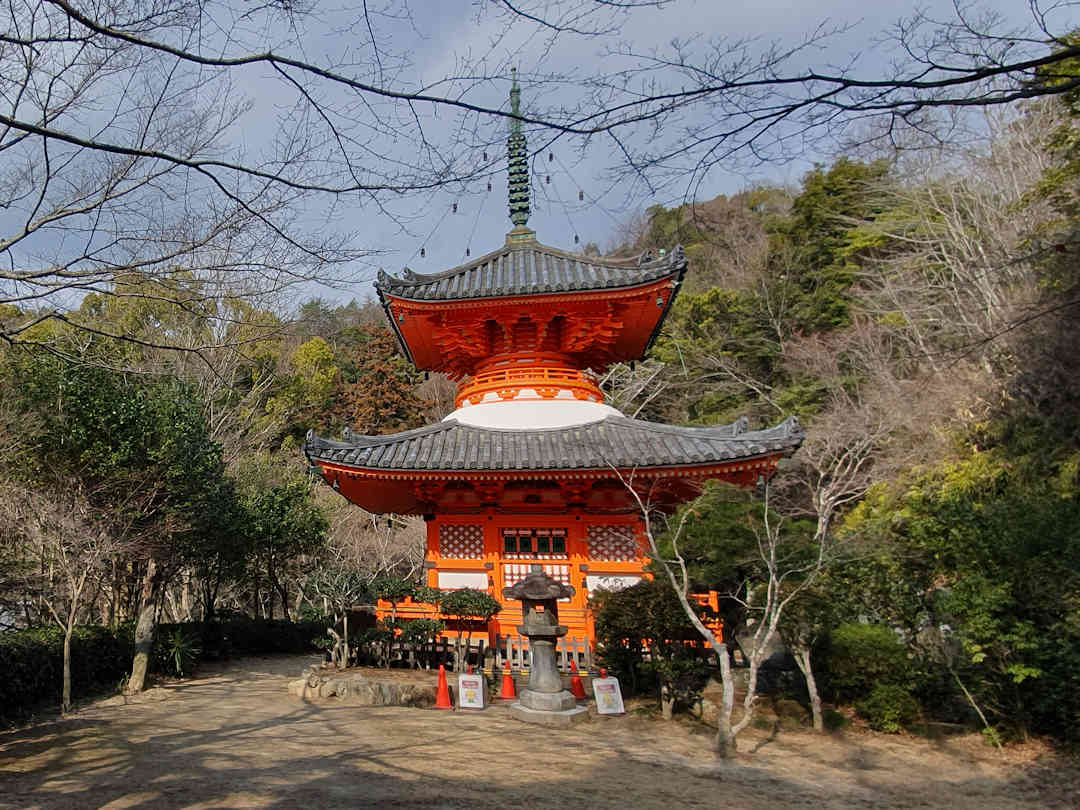
Mitaki-dera's 16th century Pagoda was relocated here after the bombing for the spiritual support of the people of Hiroshima
What else is there to do in Hiroshima (if you have more time to spend)?
If you can spend additional days in Hiroshima, we can also recommend:
- visiting the Hiroshima Castle Keep [Google Maps location] for historic insights into Japan’s feudal period and panoramic views over the city centre;
- hiking the 10-kilometre-long Futabanosato Historic Trail;
- joining a guided tour of the Mazda Museum [Google Maps location] and assembly line (Monday-Friday, reservation is required); and
- experiencing a game of baseball at Mazda Stadium [Google Maps location].
A note on the Mazda Museum: Even if the tour is only offered in Japanese on the day of your visit, we can recommend attending. The museum exhibits have English signage, and the assembly line is (largely) self-explanatory. Our guide spoke English and was more than happy to answer any questions we had.
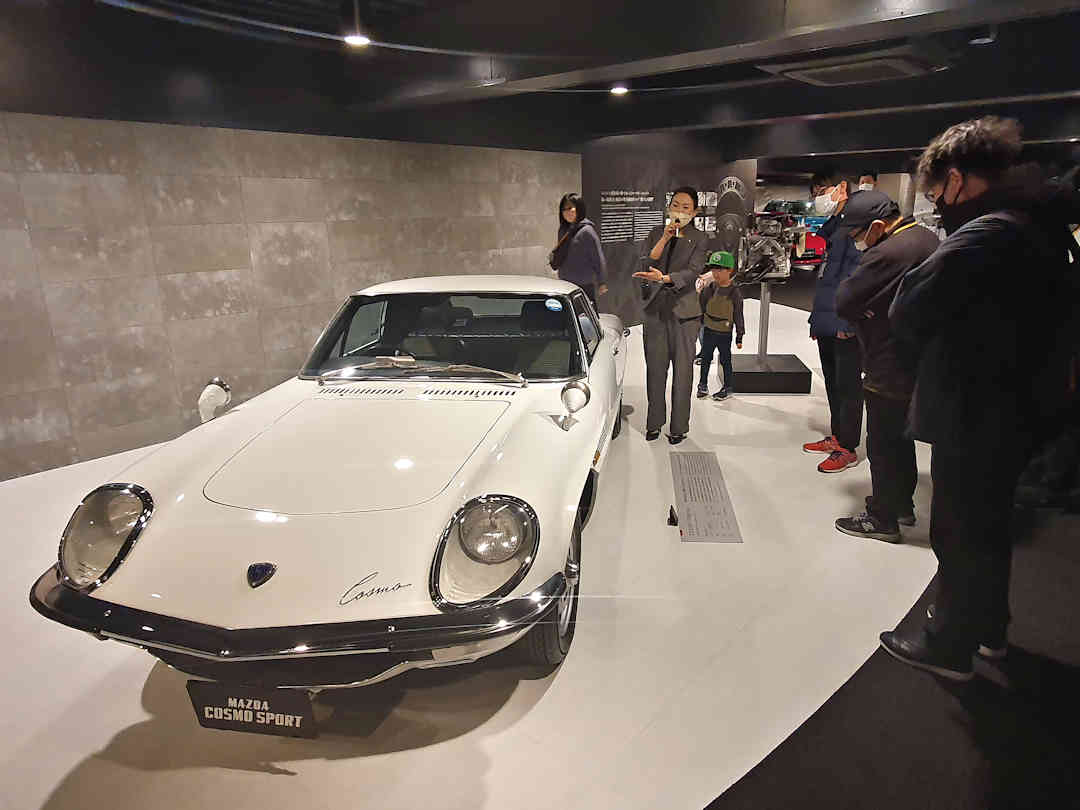
If you have more time to spend in Hiroshima, join a guided tour of the Mazda Museum and assembly line
Other Recommended Experiences in Hiroshima
Culinary adventures
Outdoor activities

Hiroshima is a great vantage point for the Shimanami Kaido and Shikoku Circuit cycling routes | Photo by Martin Magnemyr on Unsplash
And if you’re an avid cyclist, Hiroshima is a great vantage point for two epic cycling tours:
- the 70+ km long Shimanami Kaido from Onomichi on Honshu Island to Imabari on Shikoku Island (budget at least two days, the more the better), and
- the 1,000km Shikoku Circuit – a complete circumnavigation of the island of Shikoku, starting and ending in Imabari (budget at least two weeks).
Onomichi can be reached by train from Hiroshima in just over an hour.
What did you do in Hiroshima and Miyajima that I forgot to mention?
I wrote this Hiroshima and Miyajima itinerary and guide based on my own experience. If you have visited Hiroshima and/or Miyajima and have something to add, please don’t hesitate to contact me.
Before you go, if you liked our article and found it helpful, we would appreciate it if you could share it with your friends and family via the Share buttons below. Even better: Leave a short review on Trustpilot or Google, which would help us further build our online reputation as a (trustworthy and helpful) travel and lifestyle blog.