


This article may contain links to products and services we use and recommend. We may receive compensation when you click on links to those products. For more information, see our Disclosure Policy.

When we’re not travelling the world, we spend time in Hawke’s Bay, developing a small permaculture farm in the gorgeous Tukituki Valley. Over the years, we’ve explored the region’s wineries, hiking trails, beaches, historic towns and lesser-known sights. In this travel guide, we share the Hawke’s Bay we know and love – experiences we recommend to friends and family, and anyone else who plans to explore this often overlooked region of New Zealand.
Are you planning your trip to Hawke’s Bay now?
Book your transportation to/from and around Hawke’s Bay, keeping your carbon footprint in mind:
Find your perfect accommodation in Hawke’s Bay with Booking.com. We recommend these traditional, small-scale and centrally located options near public transport:
Napier
Havelock North
Hastings
Buying travel insurance can feel overwhelming. Start by reading our buyer's guide to finding insurance that suits your needs. Then compare options on the Insubuy marketplace (with all the information you need to find the one that's right for you).
Explore the wonders of Hawke’s Bay and beyond with the best tours and activities powered by GetYourGuide or Viator. We recommend these responsible options with local providers:
Where is Hawke’s Bay?
On a map of New Zealand, Hawke’s Bay is the large bay that forms the East Coast of the North Island. And the region straddling the bay carries the same name (Google Maps location). While this guide focuses on the bottom two-thirds of Hawke’s Bay (comprising the Napier, Hastings and Central Hawkes Bay Districts), if you are travelling to or from Gisborne, make sure to also check out the beautiful Māhia Peninsula in the Wairoa District (the Bay’s northern third).
Why is Hawke’s Bay worth visiting?
We may be biased, but IOHO Hawke’s Bay is one of Aotearoa’s most underrated gems. While visitors to New Zealand’s North Island might include Hobbiton, Rotorua and even the Bay of Islands on their itinerary, Hawke’s Bay is often overlooked. Yet, the variety here is incredible: From world-class wineries to fascinating history and a pleasant Mediterranean climate perfect for outdoor adventures, Hawke’s Bay packs a lot in – all without the crowds.
The wine alone is worth coming for: Hawke’s Bay is New Zealand’s oldest wine-growing region and the second largest after the world-famous Marlborough. It’s also one of the Great Wine Capitals of the World, placing it among internationally more renowned wine regions such as Bordeaux, Mendoza, the Napa Valley and Rioja.
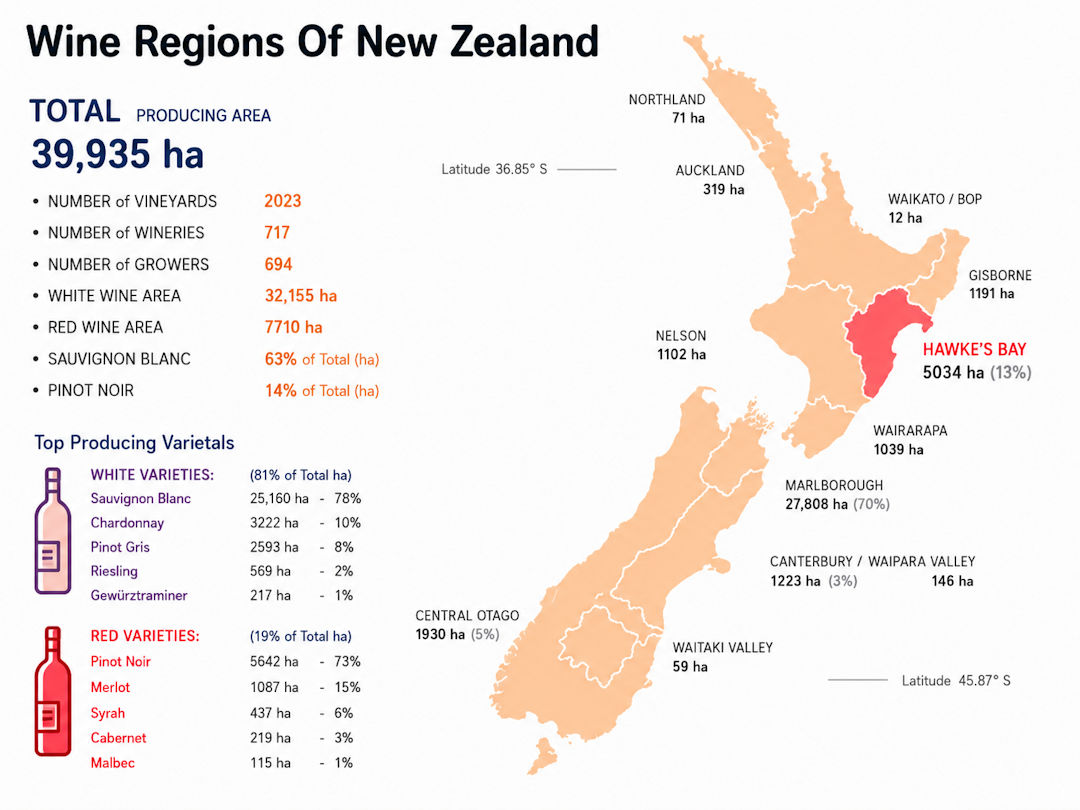
An overview of New Zealand’s wine regions and production statistics. Marlborough leads in vineyard area, with Sauvignon Blanc dominating plantings.
But there’s much more to Hawke’s Bay than wine: Napier is New Zealand’s Art Deco Capital, rebuilt after the devastating 1931 earthquake in Art Deco and Spanish Mission styles. Beyond the towns, you’ll find waterfalls, beaches, native bush, scenic hiking and cycling trails, and Cape Kidnappers, home to the largest and most accessible mainland gannet colony in the world.

Every year in February, visitors from all over New Zealand flock to Napier for the Art Deco Festival
When is the best time to visit Hawke’s Bay?
Hawke’s Bay is a year-round destination, but the best time to visit is between October and April when Cape Kidnappers’ gannet colony is at its most active, and when even the smaller wineries are open for tastings.
Summers in Hawkes Bay are glorious (with beaches to match). And for anyone who loves dressing up in 1930s attire, Napier’s Art Deco Festival is A MUST. Summer, though, is also cyclone season in the South Pacific. While Hawke’s Bay is usually drier and sunnier than many other parts of the country, in recent years, the East Coast has been hit more often by major storms (thanks to climate change) – including Cyclone Gabrielle, which caused widespread devastation across the Bay in February 2023.
Spring (September-November) and autumn (March/April) bring pleasant temperatures and often sunny days – the best conditions for outdoor activities like hiking or cycling.
Hawke’s Bay events you shouldn’t miss
Farmers’ Markets are held throughout the year – in Napier on Saturdays (at Emerson Street between the green spaces of Clive and Memorial Squares) and Hastings (at the Tomoana Showgrounds) on Sundays. Ōtāne in Central Hawkes Bay also has a Sunday market (around the village hall) – check for dates here.
The annual festival season kicks off with Central Hawke’s Bay’s Spring Fling and its most important event, the Duck Day in Waipawa on the second Saturday in October.
Also in October (every two years), Hawke’s Bay hosts the finishing stages of the Targa Rally NZ, New Zealand’s ultimate road race. The next one is in 2027.
Visitors from around the country flock to Napier in mid-February for the annual Art Deco Festival. If you happen to be here in winter, don’t fret. Napier now also welcomes visitors to its Winter Deco Festival in mid-July. At either festival, railway enthusiasts will enjoy taking a ride on the restored passenger train through rural Hawke’s Bay.
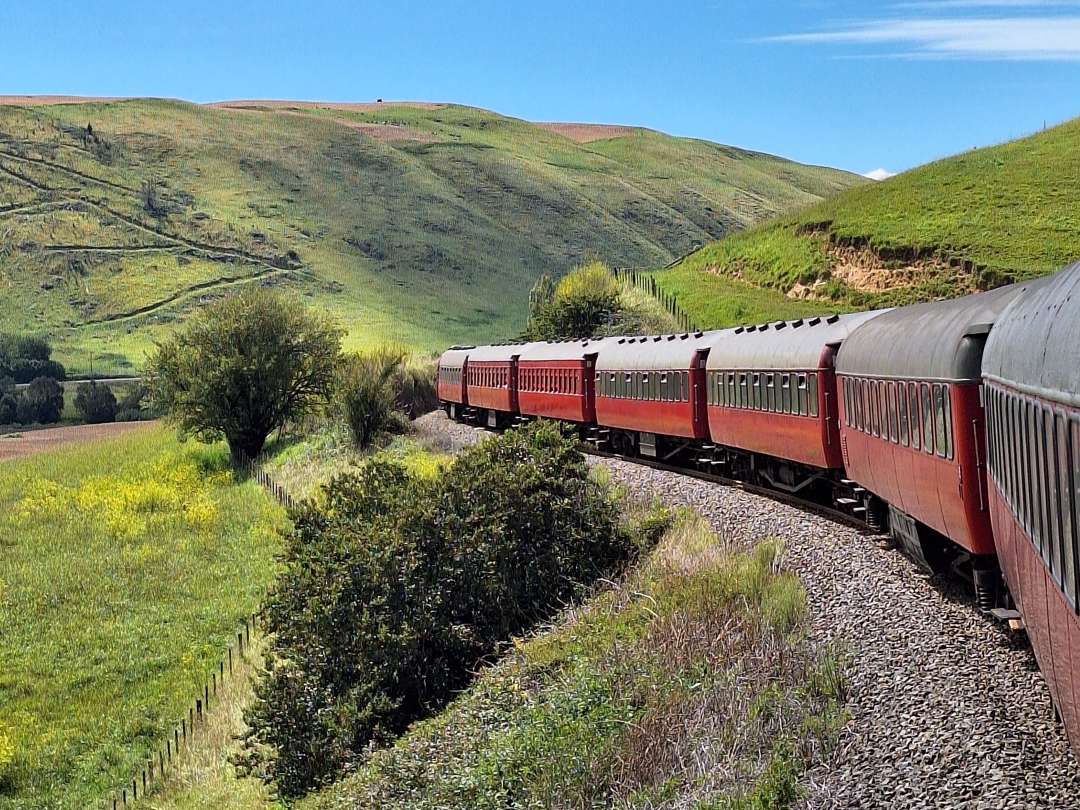
During the Art Deco and Winter Deco Festivals, visitors can join vintage train rides through the Hawke's Bay countryside
How many days do I need for a (first) visit to Hawke’s Bay?
With so many things to see and do in Hawke’s Bay, we recommend to spend here at least 2 full days (3 nights). To appreciate the region more fully (and slowly), 4-5 days/nights are better yet.
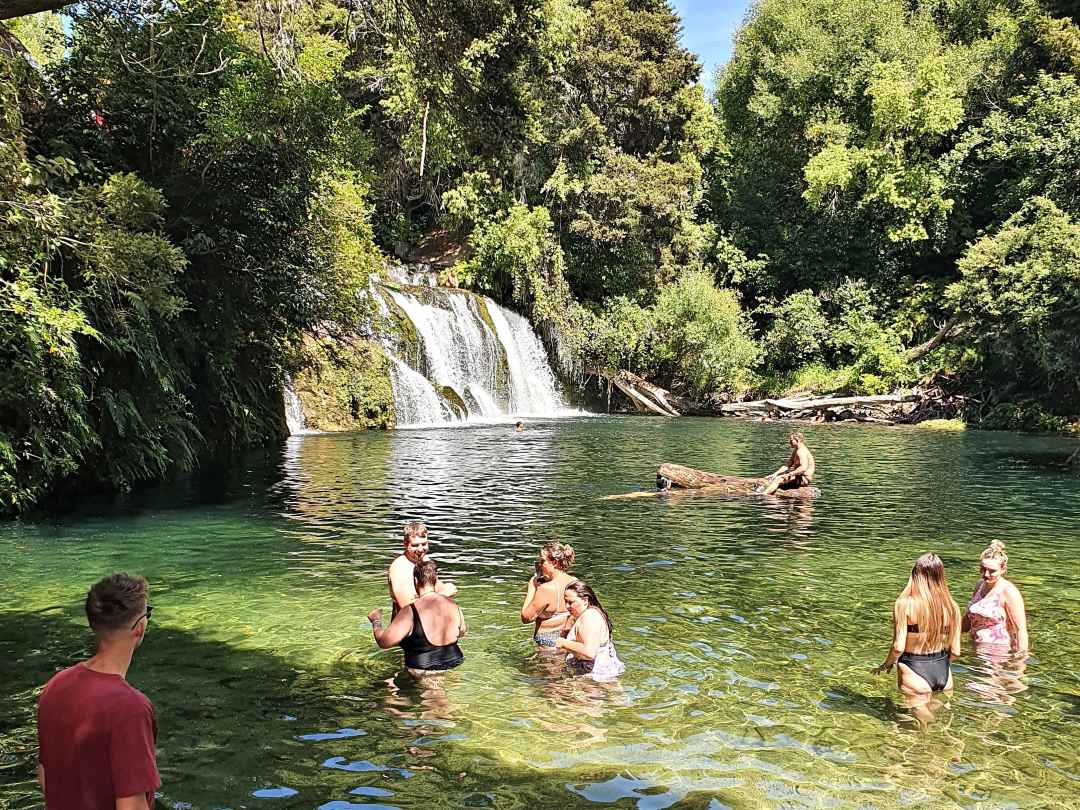
Summers in Hawke's Bay are glorious, with stunning waterfalls and beaches to cool down
How to get to Hawke’s Bay
Hawke’s Bay Airport (IATA Code: NPE) is located just north of Napier (half an hour by bus from the city centre). Air New Zealand offers multiple daily flights to and from Auckland and Wellington (around one hour), as well as direct services to and from Christchurch (around 1 hour 45 minutes).
If you prefer travelling overland, InterCity operates direct bus services connecting Hawke’s Bay with Auckland, Taupō/Rotorua/Tauranga, Gisborne and Wellington.
If you want to explore the Bay as part of a wider North Island road trip, Hawke’s Bay is around 1.5-2 hours’ drive east of Taupō (via SH5), 3-3.5 hours south of Gisborne (via SH2), and 3.5-4.5 hours north-east of Wellington (depending on your route).
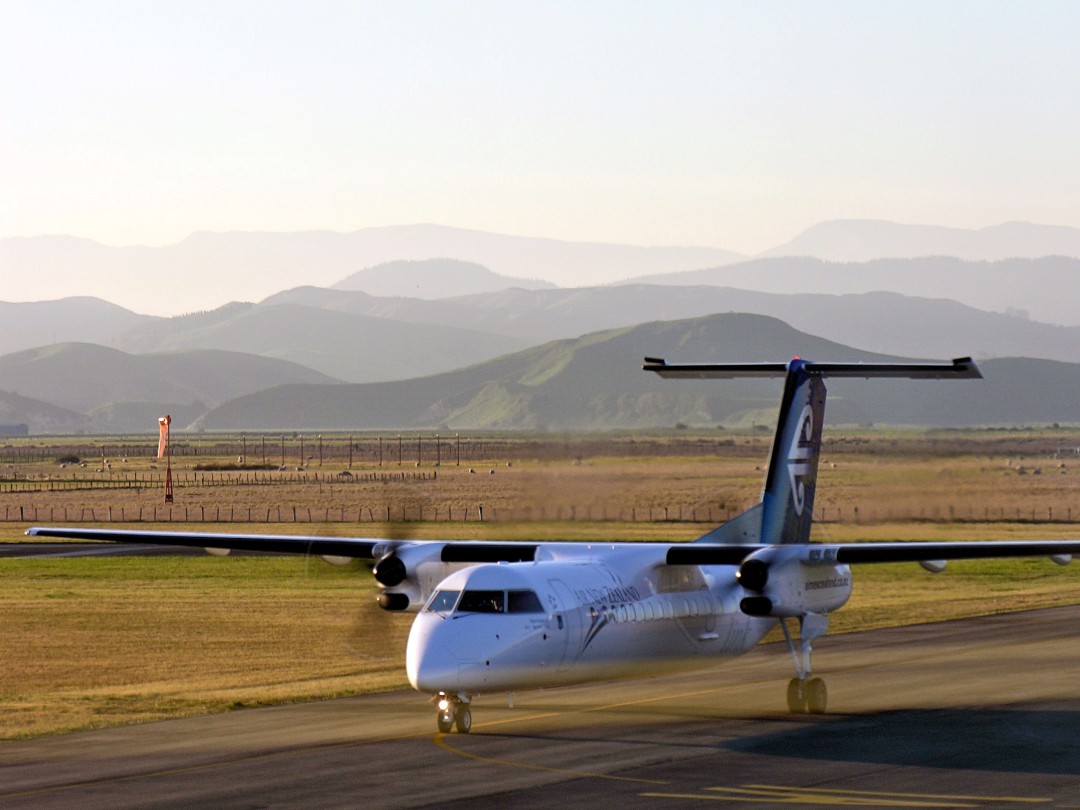
Air New Zealand flies to Hawke's Bay from Auckland, Wellington and Christchurch | Image courtesy of Phillip C on Wikimedia Commons
How to get around Hawke’s Bay
If you’re planning to spend most of your time in Napier, Hastings and Havelock North, you can get around without a car. The GoBay bus network connects all three centres, and buses are affordable and easy to use. To travel by bus, you’ll need a Bee Card, which can also be used in Queenstown, Tauranga, and other places around New Zealand.
Some of Hawke’s Bay’s best experiences are outside the main towns. If you want to visit Cape Kidnappers or Central Hawke’s Bay, do some of the out-of-town hikes and/or visit some of the more remote wineries, we recommend hiring a car for a day or two – easily done at the airport from either Ezi Car Rentals or RAD Car Hire.
Cycling is another great option. Hawke’s Bay has an extensive network of cycle trails the connect towns to wineries and other attractions. You can hire bikes:
• in Napier – from Napier City Bike Hire or Tākaro Trails
• in Havelock North – from Good Fun Bike Hire and Revolution Bikes.
Buses have bike racks at the front, so you can combine your bike ride with public transport use if need be.
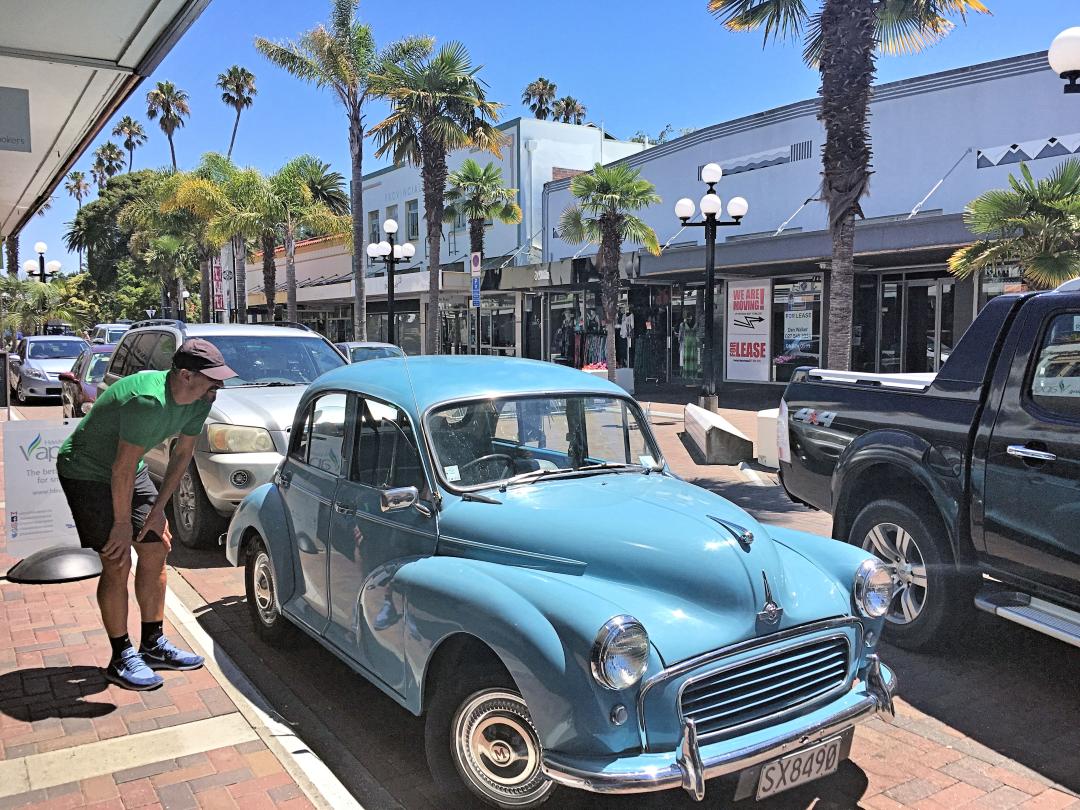
Hawke's Bay's towns can be explored by bus, bike and on foot, but a hire car is recommended for out-of-town explorations
Where to stay in Hawke’s Bay: Napier, Hastings or Havelock North
Where you stay will depend largely on what you plan to do.
For first-time visitors, we generally recommend booking accommodation in Napier. It offers the most as a town and is located right by the Pacific Ocean. It also has the region’s largest range of accommodation, and plenty of cafés and restaurants.
Havelock North makes for a nice base if you want to do some of the hiking and MTB trails around Te Mata Peak and visit some of the wineries nearby.
While it lacks Napier’s waterfront and Havelock North’s mountainous backdrop, Hastings sits between the two and has good public transport connections to either, making it a practical option if you want to explore the wider region.
| Name | Property Features | Location | Book Now |
|---|---|---|---|
| Tiny Home Big Vibes | Tiny home with full kitchen, private courtyard, air-conditioning, free Wi-Fi and parking. About a 7-minute walk to Napier Beach and handy to the city centre, so it suits couples or solo travellers wanting a compact self-catering base they can explore mostly on foot. | Napier | Book Now |
| Motel de la Mer | Boutique motel on Marine Parade with ocean-facing suites, a kitchenette, spa bath and free parking. A comfortable Napier base if you want to stay near the beach, aquarium, cafés and the Art Deco centre, with enough space for simple self-catering rather than full cooking. | Napier | Book Now |
| Art Deco Masonic Hotel | Historic Art Deco hotel on Napier’s waterfront with ocean views, free Wi-Fi, an on-site bar and restaurant, and access to a large rooftop balcony from most rooms. A strong choice if you want to stay right in the centre, opposite MTG Hawke’s Bay and a short walk from Marine Parade, shops and restaurants, while soaking up Napier’s Art Deco character. | Napier | Book Now |
| The Village Apartment | Spacious one-bedroom apartment just steps from Havelock North’s village shops, cafés and restaurants, with a full kitchen, private patio, garden outlook, air-conditioning and free parking. A strong base if you want to stay walkable to the village while having enough space and facilities for a quieter self-catering stay. | Havelock North | Book Now |
| Art Deco BNB | Adults-only B&B in Havelock North with a garden setting, outdoor pool, free bikes and breakfast included. A good fit if you want a quieter base near the village, wineries and Te Mata Peak, with more of a hosted stay than a self-catering apartment or motel. | Havelock North | Book Now |
| Eco Lodge Pakowhai | Budget-friendly lodge in Pakowhai with a shared kitchen and lounge, free bikes, garden and free parking. A practical base if you want to keep accommodation costs down, self-cater and stay between Napier and Hastings, with wineries and cycle trails within easy reach by car or bike. | Hastings | Book Now |
| Accommodation in Frimley | Small B&B-style studio in a quiet Frimley neighbourhood with breakfast included, a patio, barbecue area, free parking and fast Wi-Fi. A good Hastings base if you want somewhere peaceful and comfortable rather than central, with enough in-room facilities for simple meals and easy access to Splash Planet, the hospital area and wider Hawke’s Bay by car. | Hastings | Book Now |
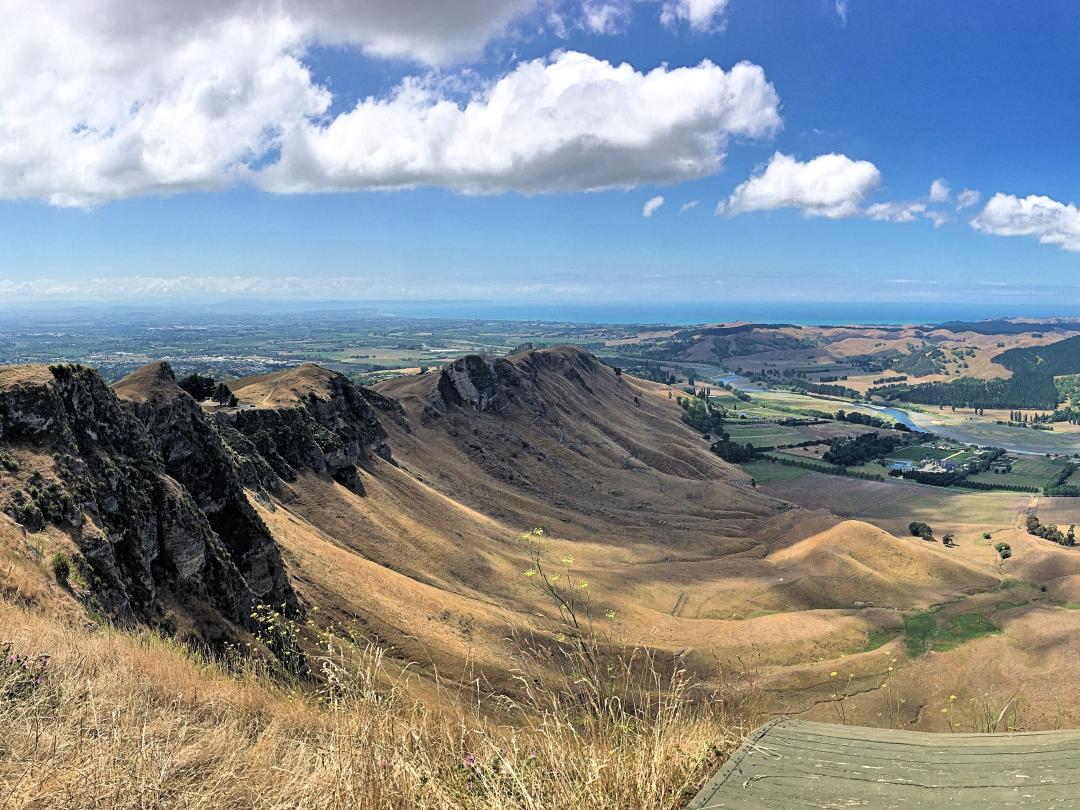
While Napier offers the most accommodation options, Havelock North makes for the best base if you're after winery visits and Te Mata peak hikes
Hawke’s Bay tips for Foodies
With orchards and market gardens galore, fresh produce doesn’t travel far, and that is reflected in the region’s restaurant scene. Our favourite eateries are (alphabetically by location):
- In Napier: Bistronomy, Chaona Thai, Hapī, Madame Social, Lick This Ice Creamery, the Rogue Hop Speakeasy and The Marine Bistro;
- In Hastings: Ari, the Holy Crepe food truck and Rush Munro’s Ice Creamery;
- In Havelock North: Deliciosa, Mary’s, Mijita and St Georges Restaurant.
Even better: Some of these can be booked via First Table, giving you 50% off on your meals.
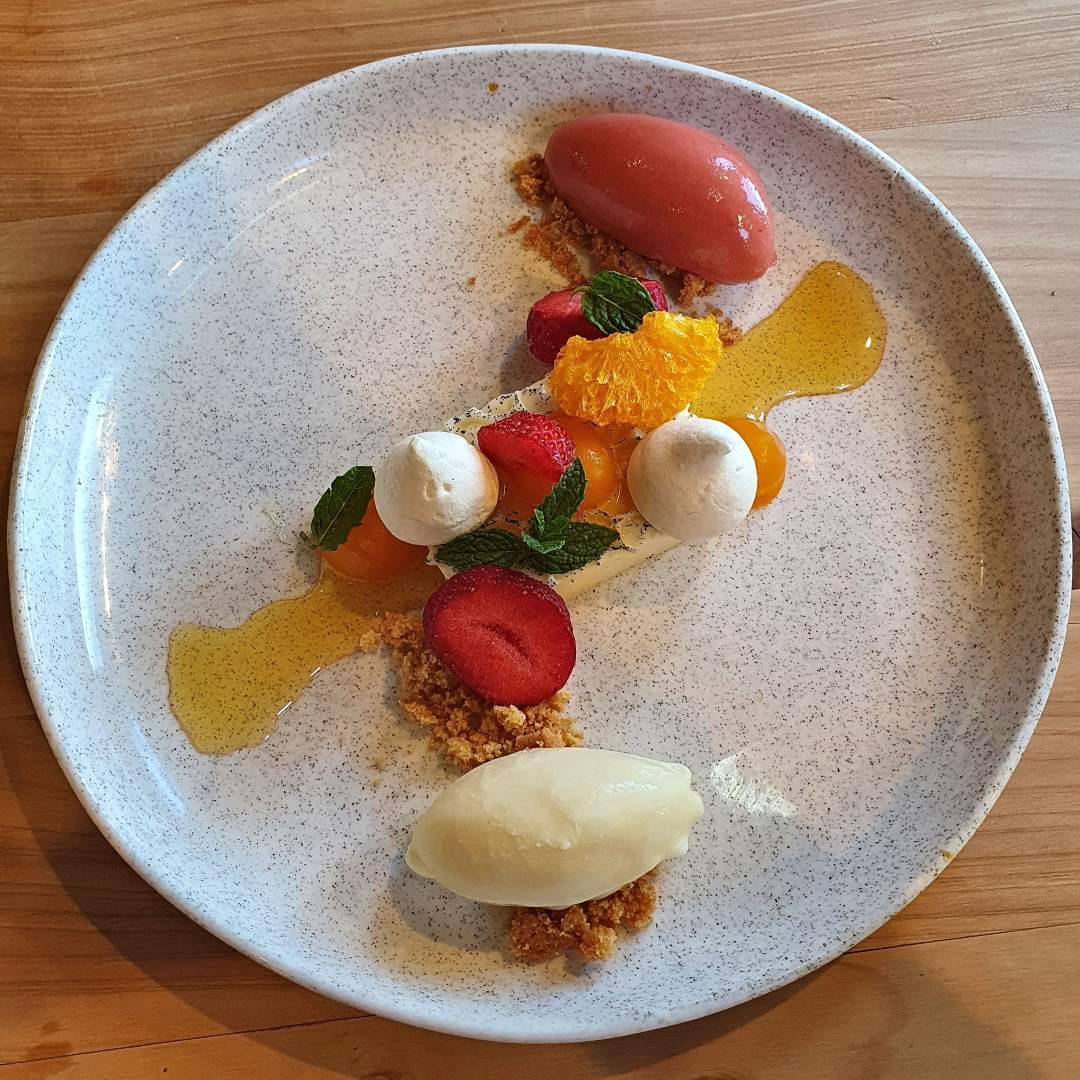
Hawke's Bay's food scene boasts fresh produce from the orchards and market gardens nearby
Hawke’s Bay tips if you plan to largely self-cater
We get it. As nice as it is to try all the different restaurants in the Bay, it can get expensive.
Apart from the farmers’ markets and local greengrocers (for example, Green Garden in Taradale or Onekawa Fruit & Veggies), head to Bin Inn (in Taradale or Hastings) for bulk foods and PAK’nSAVE (in Napier South, Tamatea or Hastings) for the most affordable supermarket.
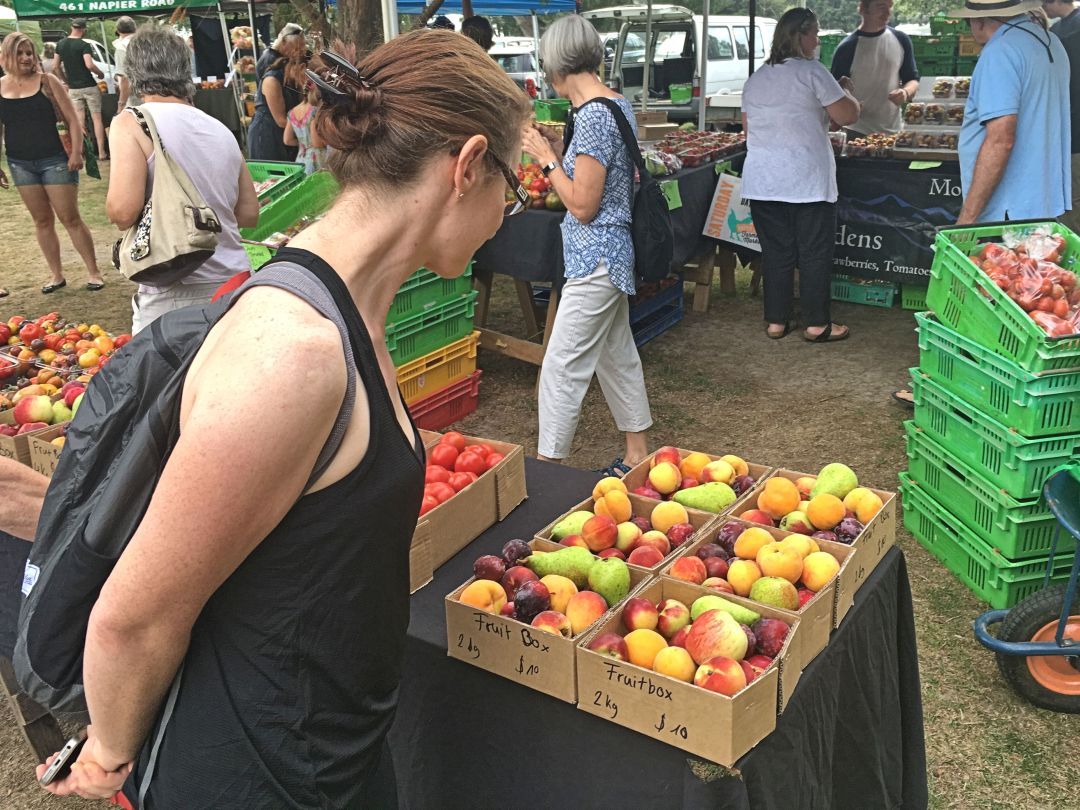
If you plan to self-cater, check out the farmers markets or local greengrocers
What is the best way to visit Hawke’s Bay’s wineries?
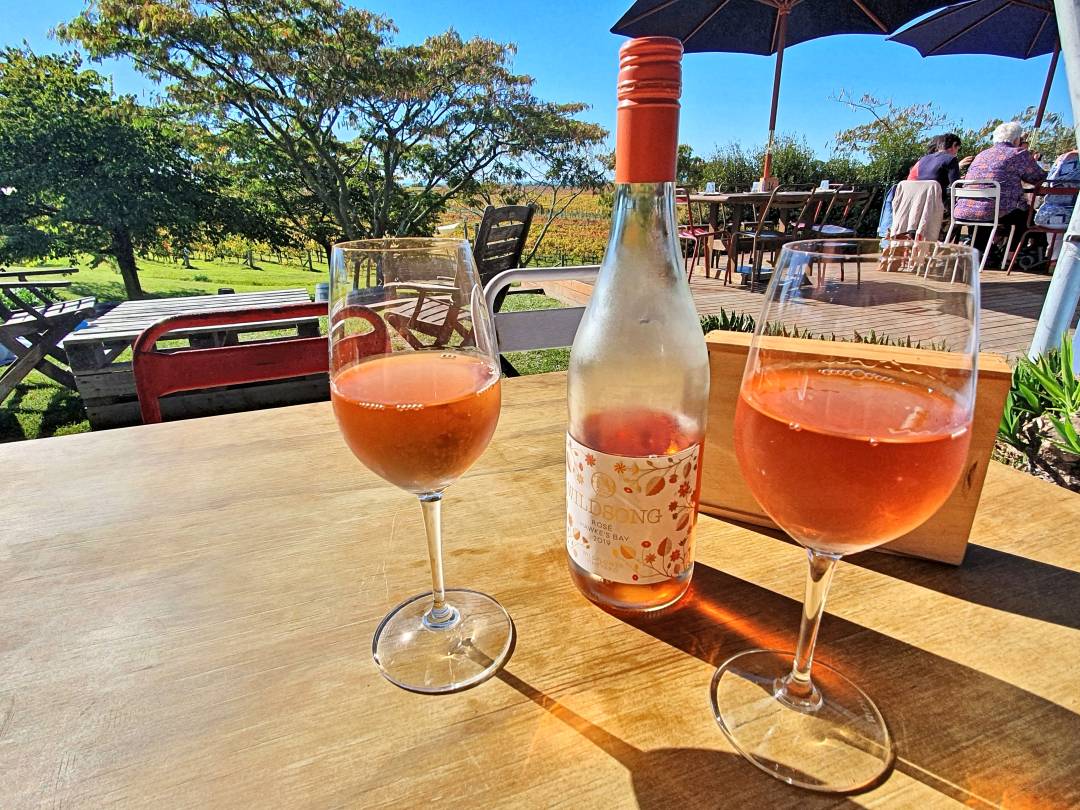
One of the things we love about the Hawke’s Bay wine country is its diversity. Different soil types and microclimates support a variety of grapes we have found nowhere else. Better still, around 98% of the region’s vineyards are certified by Sustainable Winegrowing New Zealand.
That variety, though, also means that Hawke’s Bay’s wineries are spread across several distinct wine-growing areas, and trying to visit them all in one day would mean spending more time travelling between them than enjoying the experience.
Instead, we recommend focusing on one (cluster of) area(s) at a time:
- The wineries around Te Awanga, the Tukituki Valley and the Havelock Hills work well for self-guided or organised cycle tours.
- Alternatively, hire a bike and explore the wineries of Gimblett Gravels, the Bridge Pa Triangle, and the Mangatahi and Crownthorpe Terraces.
Here are two useful maps to help you choose:
Cycle trails connect Napier, Hastings and Havelock North with the boutique wineries of Aotearoa's oldest and second largest wine growing region
Short on time? No worries – you don’t even need to leave town. Several excellent urban tasting rooms in Napier, Hastings and Havelock North showcase wines from across the region, making it easy to experience Hawke’s Bay wine without spending a full day on the road:
- The Urban Winery, Napier (Google Maps location)
- Cellar 495, Hastings (Google Maps location)
- Decibel Wines, Hastings (Google Maps location)
- Smith & Sheth, Havelock North (Google Maps location).
Decibel Wines is our favourite: Owner Daniel, whose forefathers hail from Italy, experiments with different grapes purchased from the various vineyards around the Bay, producing some delicious wines, including Albariño, Malbec and even Pet Nat.

Even if you don't have time for winery visits, you won't miss out - just head to one of the urban tasting rooms
What are the best walks/hikes in Hawke’s Bay?
(Half)Day Hikes
We also love Hawke’s Bay’s walking/hiking trails. Town-based options include:
- the flat and easy Ahuriri Estuary Loop,
- the Clyde Road and Bluff Hill Lookouts,
- the Ōtātara Pā Historic Reserve, and
- the Clive and Tukituki Rivers Loop.
Te Mata Peak – one of the tallest points in Hawke’s Bay, with deep spiritual and cultural significance for local Māori – offers a network of trails through native bush, giant redwoods, open farmland and spectacular views across the Heretaunga Plains, the Tukituki valley, the Pacific Ocean and the surrounding ranges.
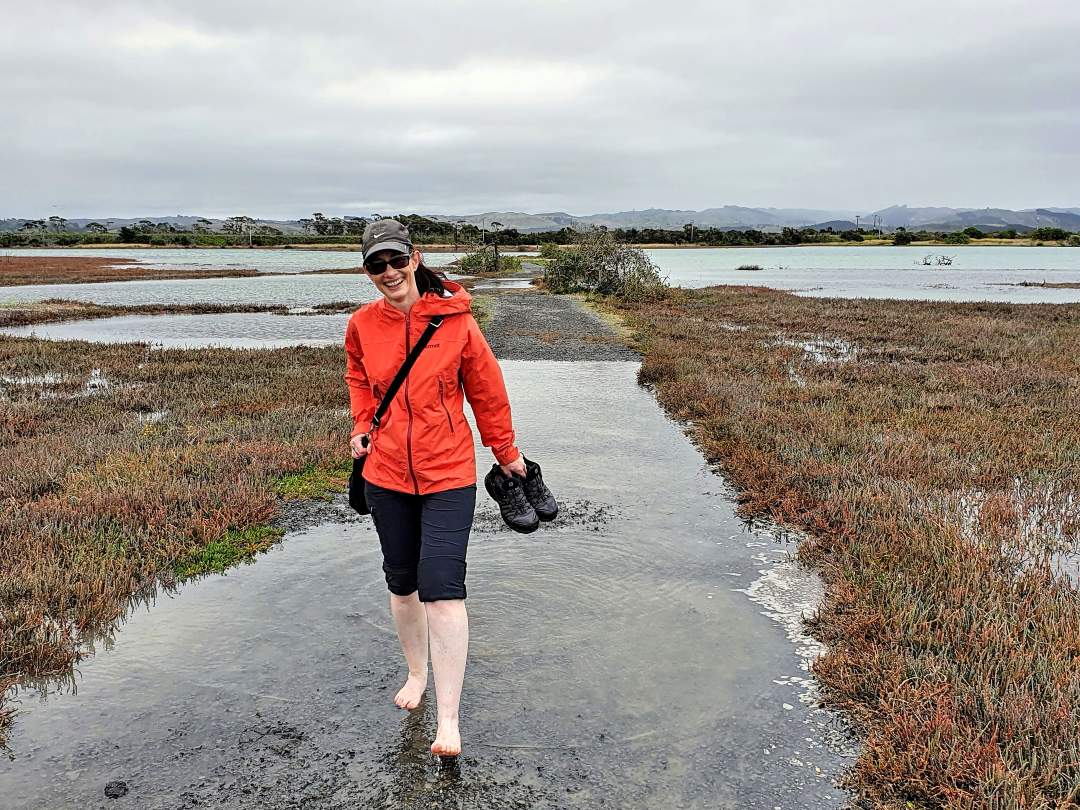
If you're planning a walk around the Ahuriri Lagoon, be prepared to get your feet wet
If you’ve got a rental car, we recommend heading north towards Gisborne for
- the Bell Rock Loop Track,
- the Shine Falls Track (currently closed due to Cyclone Gabrielle damage), and/or
- the Tutira Walkway and Lake Waikopiro Loop Track.
While heading this way, Waipātiki Beach and its trails are also worth making a small detour for.
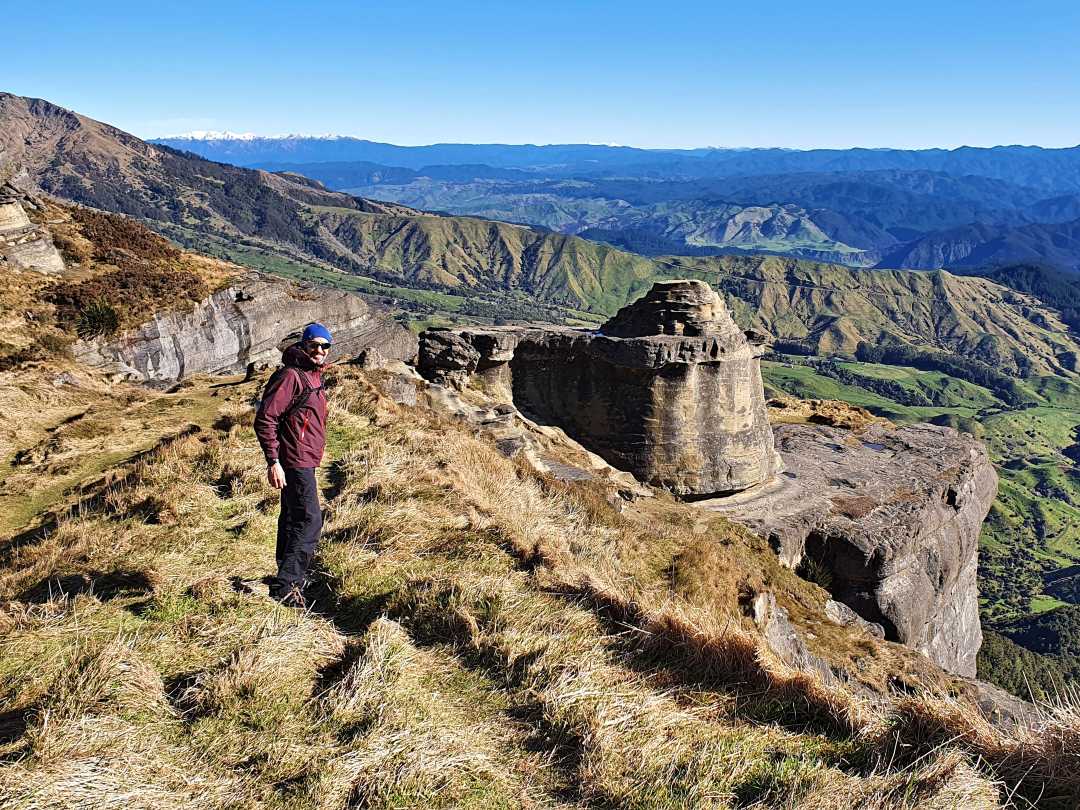
On a clear and sunny day, the hike to Bell Rock is a worthwhile day trip from Napier
Overnight Hikes
If you have more time, consider an overnight hike. The Sunrise Track in the Ruahine Forest Park rewards trampers (as hikers are called in Aotearoa) with panoramic views at sunrise (as the name suggests), while the Te Puia Track leads to Mangatutu Hot Springs, a lovely backcountry hot spring experience.
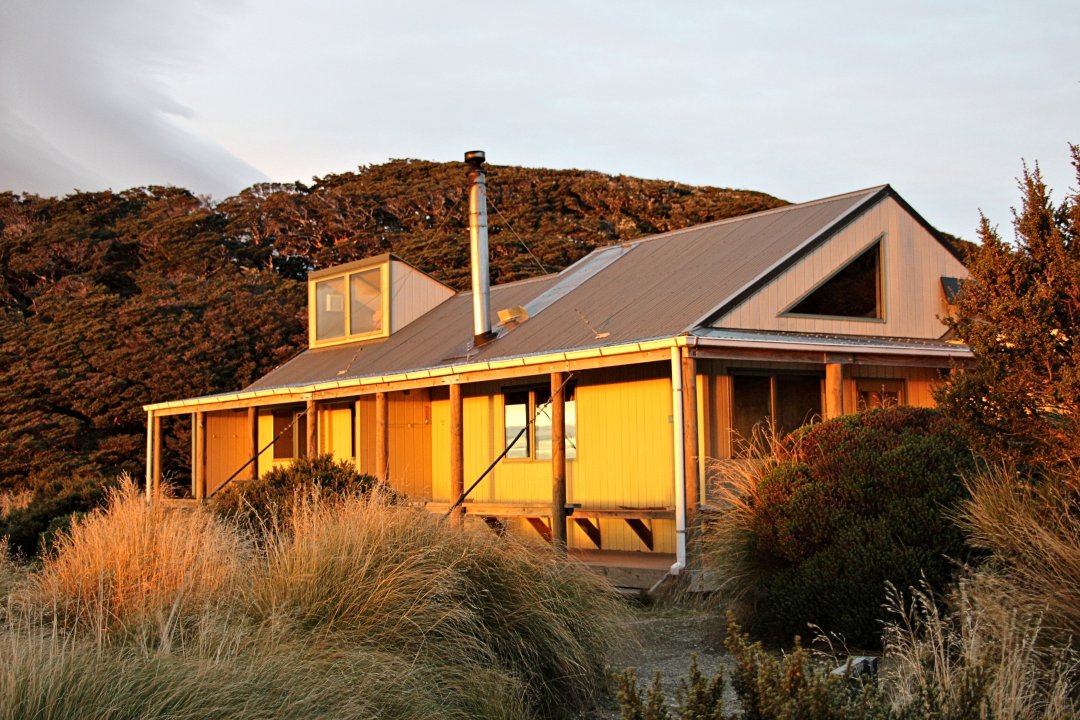
For an amazing overnight hike, head to the Sunrise Hut in the Ruahine Ranges | Image courtesy of Wikimedia Commons
Recommended Hawke’s Bay Itineraries
If you have 2-3 Days
If it’s your first time in Hawke’s Bay, we recommend focusing on Napier, a handful of wineries and maybe a walk/hike.
Start with a day exploring Napier. Visit the Hawkes Bay Museum (Google Maps location).
Wander through the Art Deco city centre, with the help of
- GPSmyCity’s introductory or art deco walking tour,
- the photographs and information signs dotted around town, or
- a knowledgeable local guide (in the morning or afternoon).
Then make your way up to the Clyde Road and Bluff Hill Lookouts for panoramic views across the city, port and coastline, before walking down the hill into Ahuriri (the coastal suburb carrying Napier’s Māori name). Keep a look out for orcas and dolphins offshore.
If you like to continue walking, stroll around the Ahuriri Estuary. If wine is on the cards (especially if you don’t have time to visit any of the wineries), head to The Urban Winery, located in one of Napier’s most beautiful Art Deco buildings (Google Maps location).
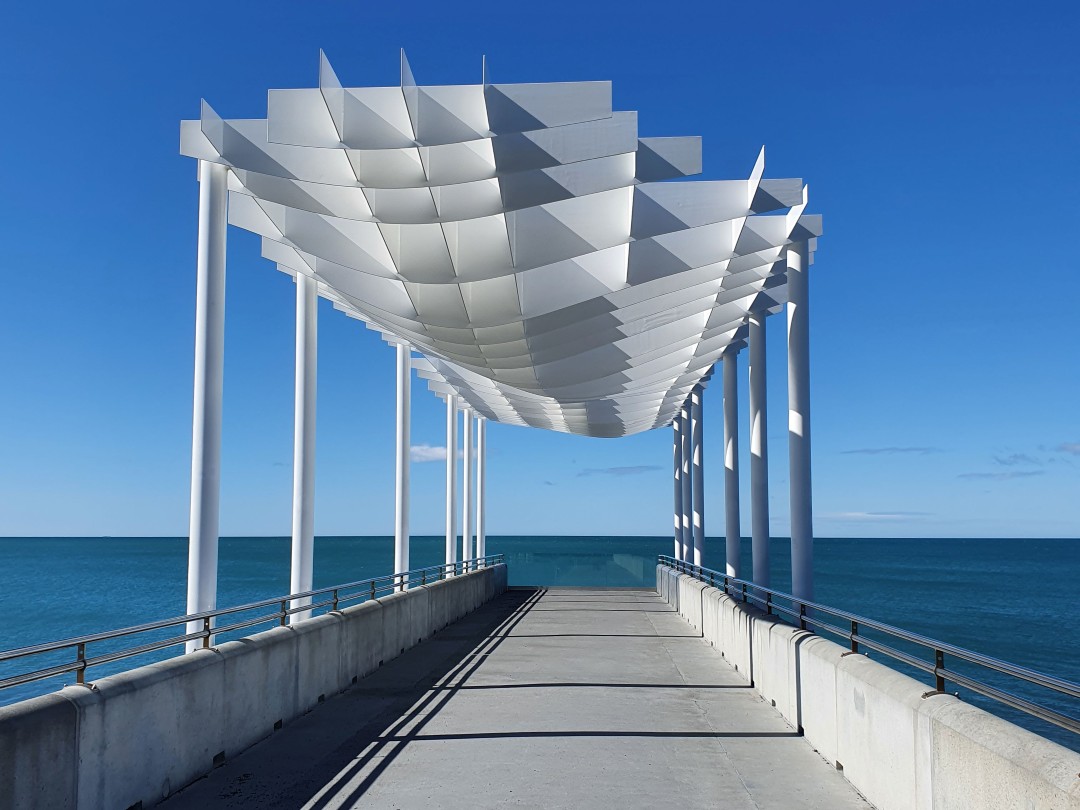
Spend your first day in Hawke's Bay exploring Napier
Dedicate your second day to exploring the Hawke’s Bay wine country. The wineries around Te Awanga, Havelock North and the Tukituki Valley are particularly well suited to a self-guided or organised cycle tour, allowing you to enjoy both the scenery and wine at a relaxed pace.
For your final day, choose one of the region’s hikes:
- Te Mata Peak is the obvious choice if you’re short on time. Take the bus to Havelock North and then a taxi/ride share (https://hawkesbay-airport.co.nz/taxis-and-shuttles/) to the entrance (Google Maps location) or summit (Google Maps location). Pick one of the trails or combine a few – make sure to include the Big Redwoods – and, once finished, walk back down into town.
- If you don’t mind hiring a car for the day and driving a bit, the Bell Rock Loop Track and/or Tutira Walkway and Lake Waikopiro Loop Track offer a more off-the-beaten-path experience (with equally outstanding views).
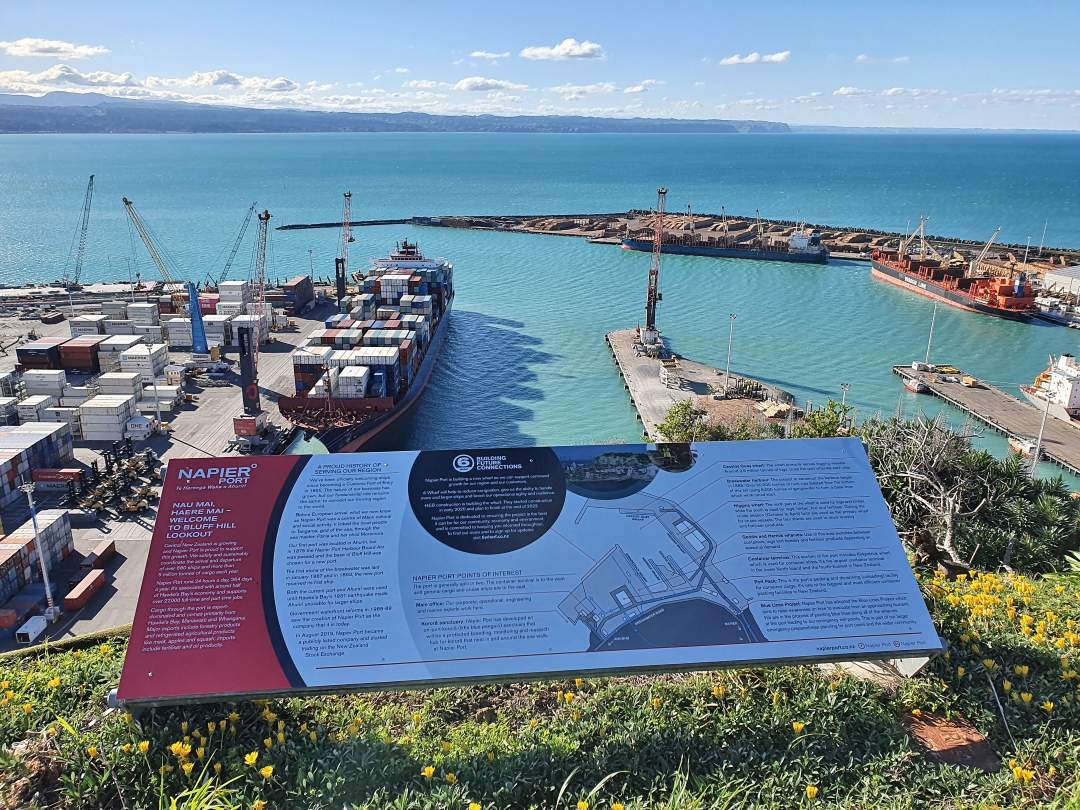
The walk up to the Clyde Road and Bluff Hill Lookouts rewards with sweeping ocean views - Keep an eye out for orcas and dolphins offshore
If you have 4-5 Days
With four or five days, you can experience the highlights of Hawke’s Bay without rushing and still have time to venture beyond Napier, Havelock North and the wine-growing areas.
Follow the 2-3 day itinerary above, then add the following day trips.
Cape Kidnappers Gannet Colony and Sweet Taste Tour
Our first recommendation is Cape Kidnappers. Home to the world’s largest and most accessible mainland gannet colony, it’s one of Hawke’s Bay’s most unique wildlife experiences. Located on private farm land, access is restricted to organised tours, but the spectacular coastal scenery and thousands of nesting gannets make the trip worthwhile (open mid-August to end-April, though best November-February).
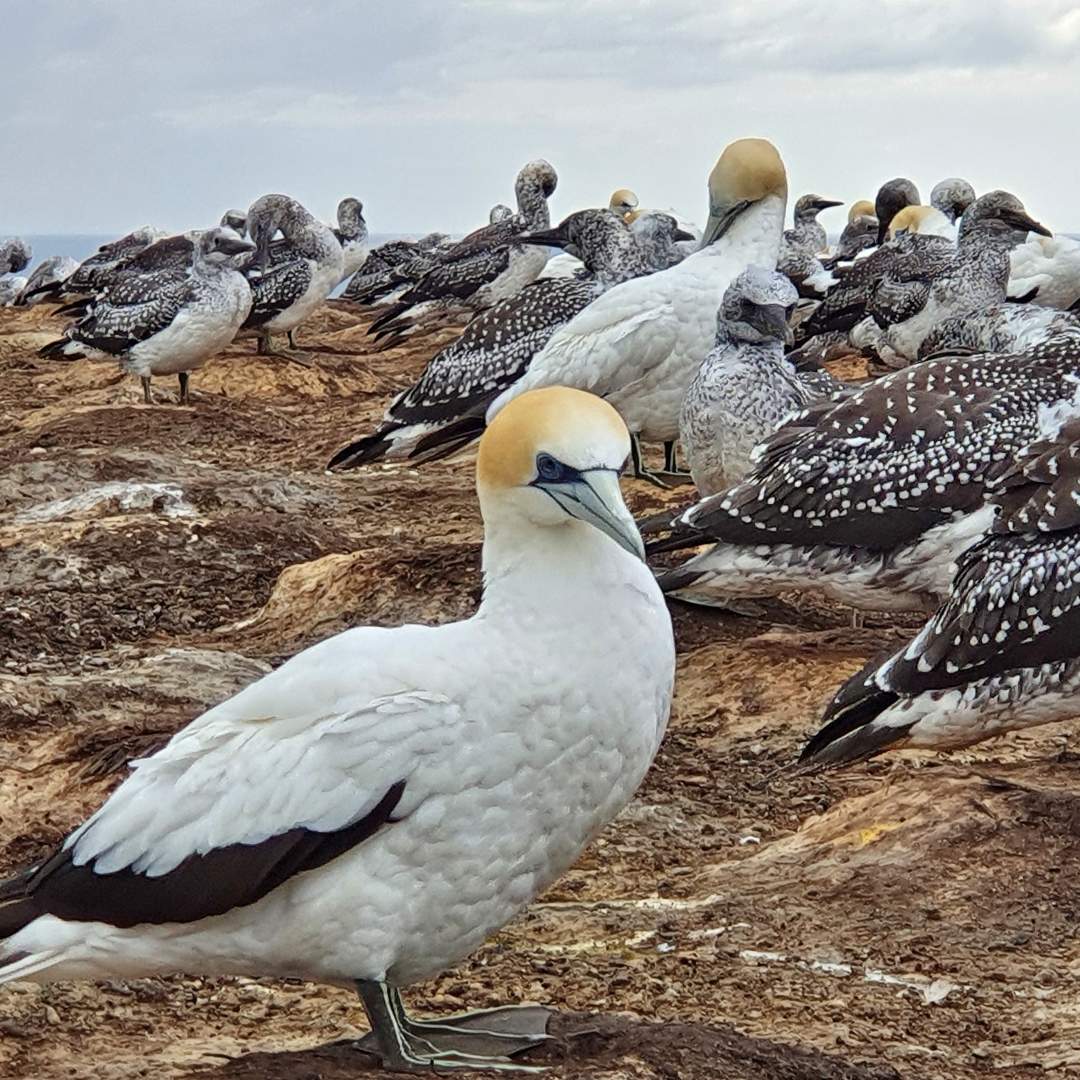
At Cape Kidnappers, gannets can be observed from October to April
On the way back, consider stopping at

Honey lovers may enjoy tasting the local varieties at Arataki in Havelock North
Central Hawke’s Bay Day Out
On your second day trip, head south along SH2. While many visitors never make it beyond Napier and Havelock North, CHB (as it’s shortened to) offers historic towns, stunning waterfalls and beaches, and the longest place name in the world.
Here are the stops we highly recommend:
- Visit the Pekapeka Regional Park and Wetland [Google Maps location], a beautiful showcase of community-led regeneration,
- Check out the beautifully restored old train station at Opapa [Google Maps location] – yes, you can access it (on foot) via the driveway of 2115 State Highway 2,
- Travel back in time at the free-entry Central Hawkes Bay Museum in Waipawa [Google Maps location] and/or the Ongaonga Museum – open Sundays only [Google Maps location], and
- Head to the Longest Place Name in the World [Google Maps location] and try to pronounce it.
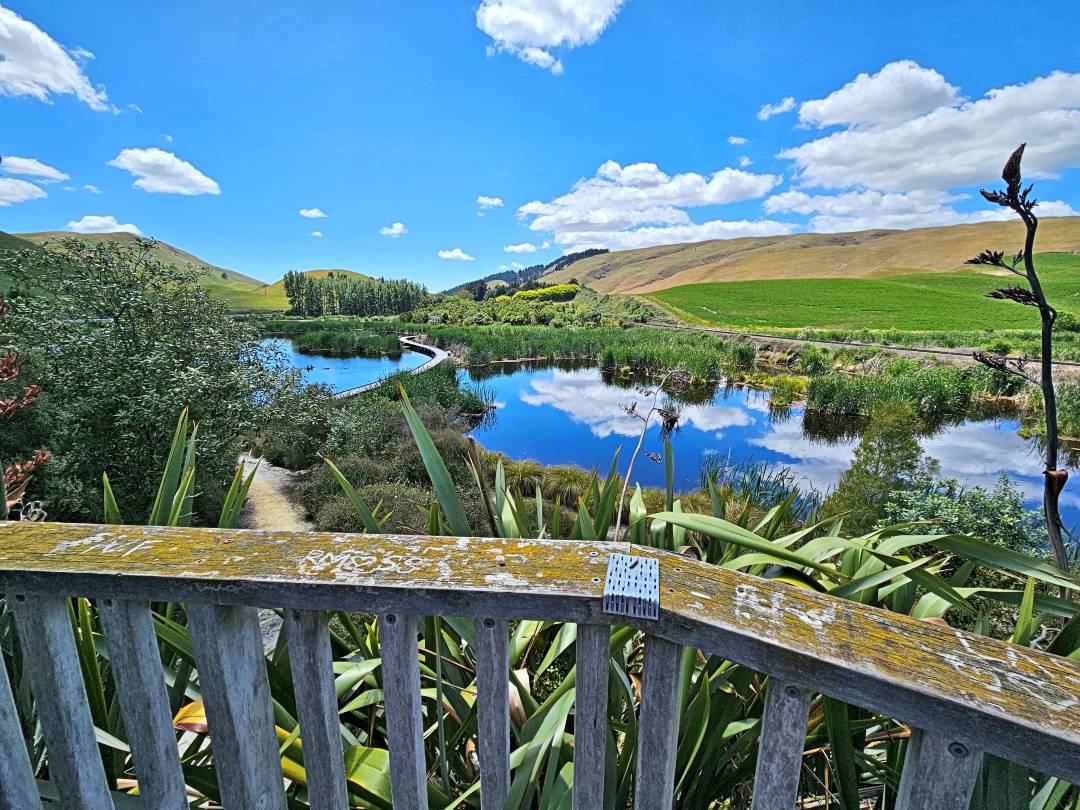
From weedy dump to wildlife sanctuary: The Pekapeka Wetlands are an outstanding example of community-led regeneration
On your way back, stop at Blackhead Beach and the Te Angiangi Marine Reserve [Google Maps location], and gorgeous Maraetotara Falls (worthwhile even if you don’t need to cool off [Google Maps location].
Worked up an appetite? Here are our favourite places to stop for lunch:
- Paper Mulberry Café, Pukehou [Google Maps location]
- Goat Horn Café, Waipawa [Google Maps location]
- Two Taniwha, Waipukurau [Google Maps location].
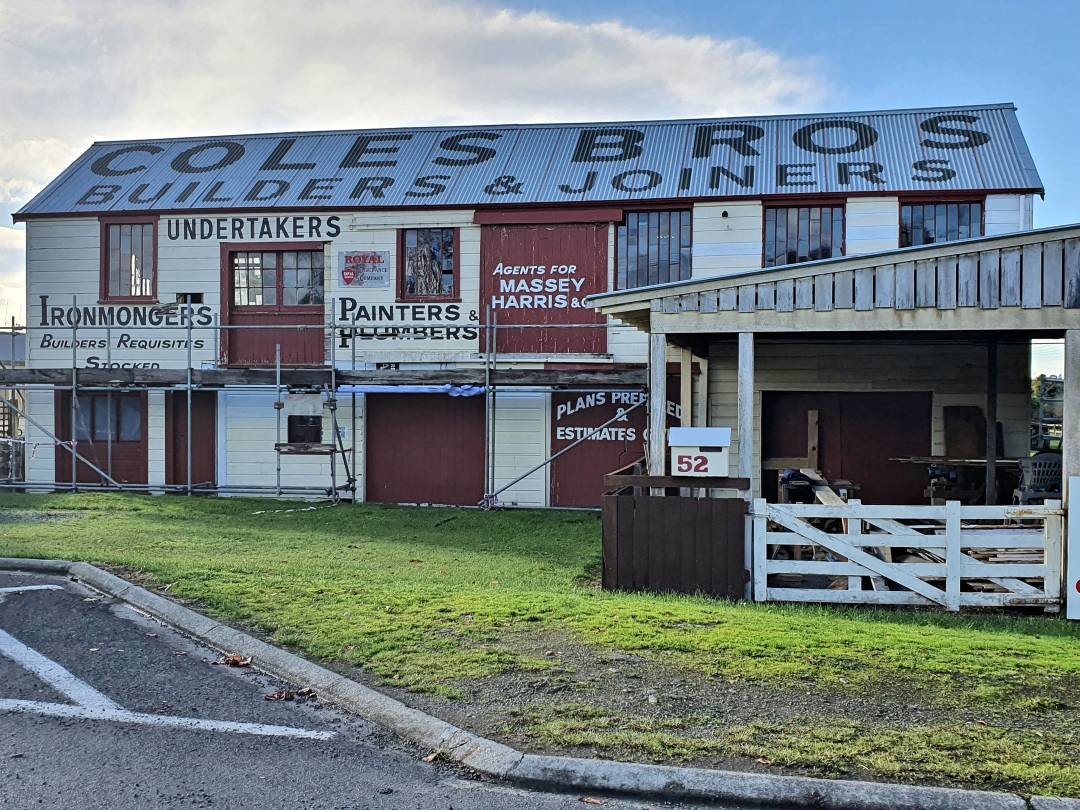
Travel back to early settlers' times when visiting the museums in Waipawa and Ongaonga
FAQs
Is Hawke’s Bay worth visiting on your first trip to New Zealand?
It depends on the time you’ve got in Aotearoa and your interests.
While we adore Hawke’s Bay and love to share the region with (more) visitors, if it’s your first visit, and your time is limited, head to New Zealand’s iconic highlights (first) and save Hawke’s Bay for a future visit.
If you’re a wine aficionado, and New Zealand’s wines are the reason for your visit, definitely include Hawke’s Bay. You won’t regret it.
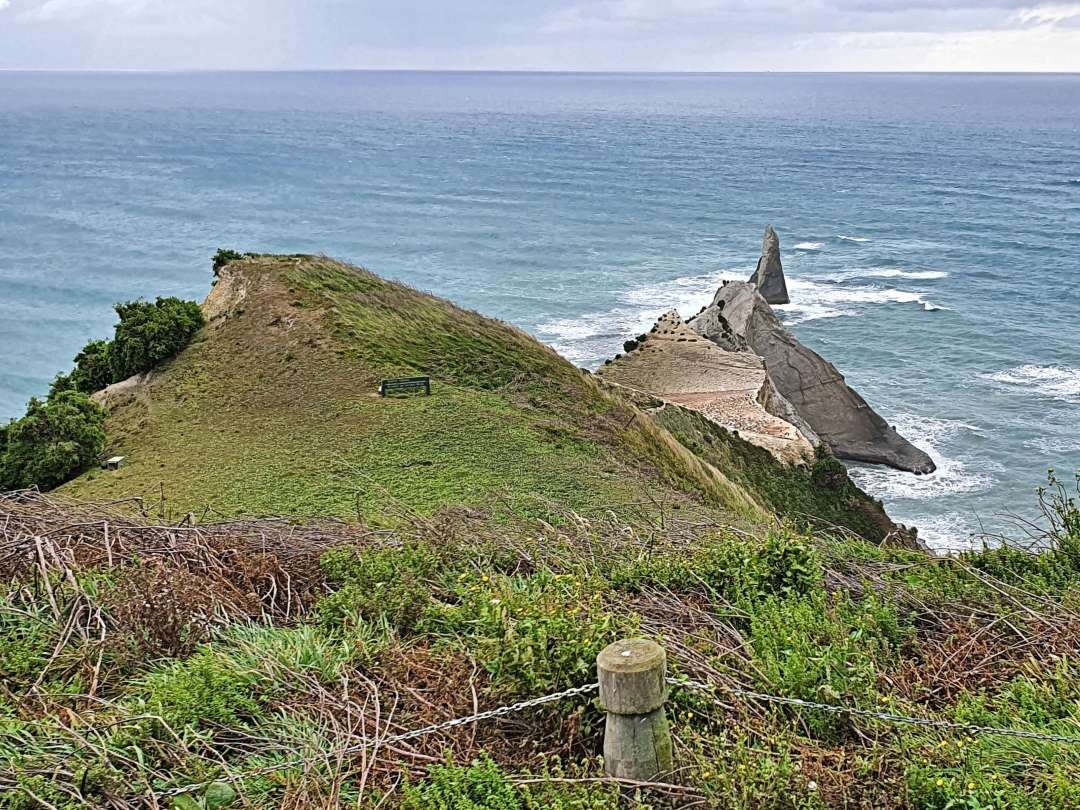
Cape Kidnappers in Hawke's Bay is home to the world's largest and most accessible mainland gannet colony
What is Hawke’s Bay best known for?
Oh, where do we start?
- For architecture and history buffs, there is Napier – the Art Deco Capital of New Zealand.
- For wine lovers: Hawke’s Bay is New Zealand’s oldest – Mission Estate was founded in 1851 – and second largest wine growing region, with a ton of smaller, boutique-style wineries (and a huge variety of wines) to choose from.
- As New Zealand’s fruit bowl, the orchards of the fertile alluvial Heretaunga Plains provide many of the fruit you can buy in supermarkets around the country (apples, peaches, nectarines, cherries, and more).
- For nature lovers: Hawke’s Bay is home to the largest and most accessible mainland gannet colony in the world.
- And those who love quirky things (or chase Guinness world records): Hawke’s Bay is also home to the longest one-word place name in the world.
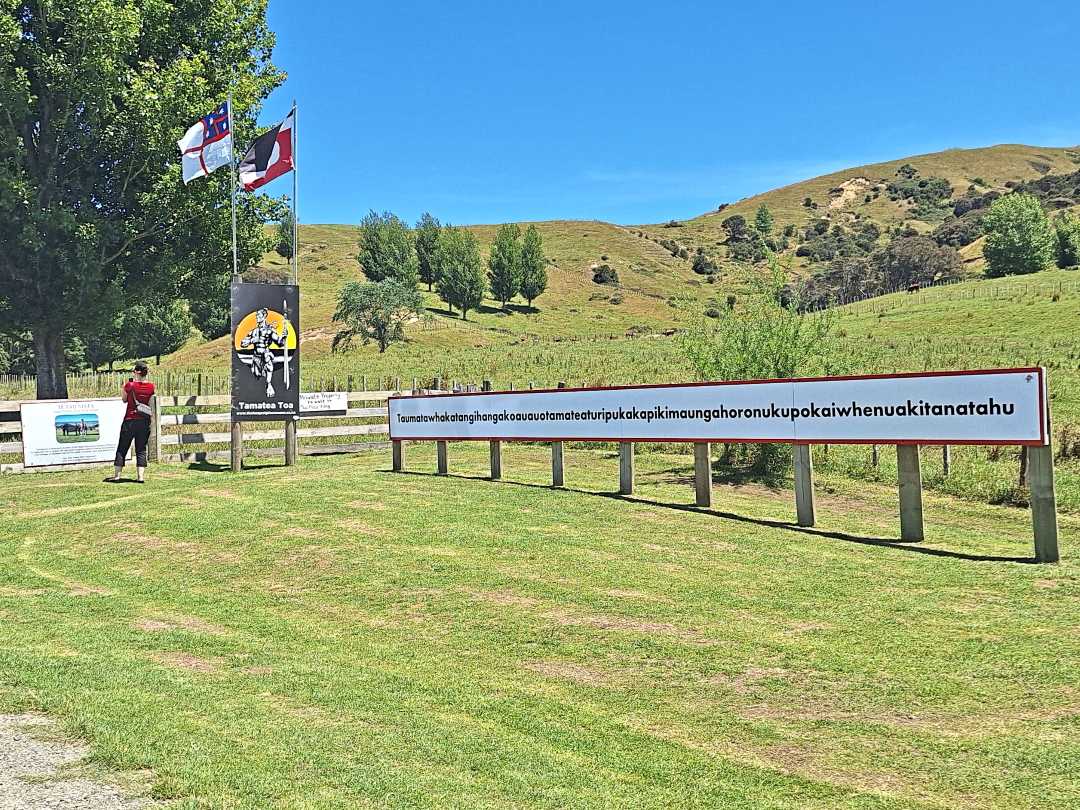
The place with the longest (one-word) name in the world can be found in the middle of nowhere in Central Hawke's Bay
Why is it called Hawke’s Bay?
The name traces back to Captain James Cook, who named the bay in 1769 after Sir Edward Hawke, a British naval officer. Its Māori name is much more poetic: Te Matau-a-Māui (The Fishhook of Māui). It’s based on the Māori legend that Māui pulled the North Island from the sea. The Māori name is also much older: Local Māori tribe Ngāti Kahungunu arrived in the bay about 500 years before Captain Cook.

Māori tribe Ngāti Kahungunu arrived in Hawke's Bay about 500 years before Captain Cook
Can you visit Hawke’s Bay without a car?
Yes. Napier, Hastings and Havelock North are connected by public buses, and many attractions can be reached by public transport, on foot and by bike. However, we recommend hiring a car for a day or two to explore out of town.
Is Central Hawke’s Bay worth visiting?
If you have more than three days in the region, it’s worthwhile including CHB in your itinerary. While Hawke’s Bay is already off the beaten tourist path, exploring CHB gives you an insight into rural New Zealand, with quaint country towns, a welcoming community vibe, and (yet more) stunning natural beauty.
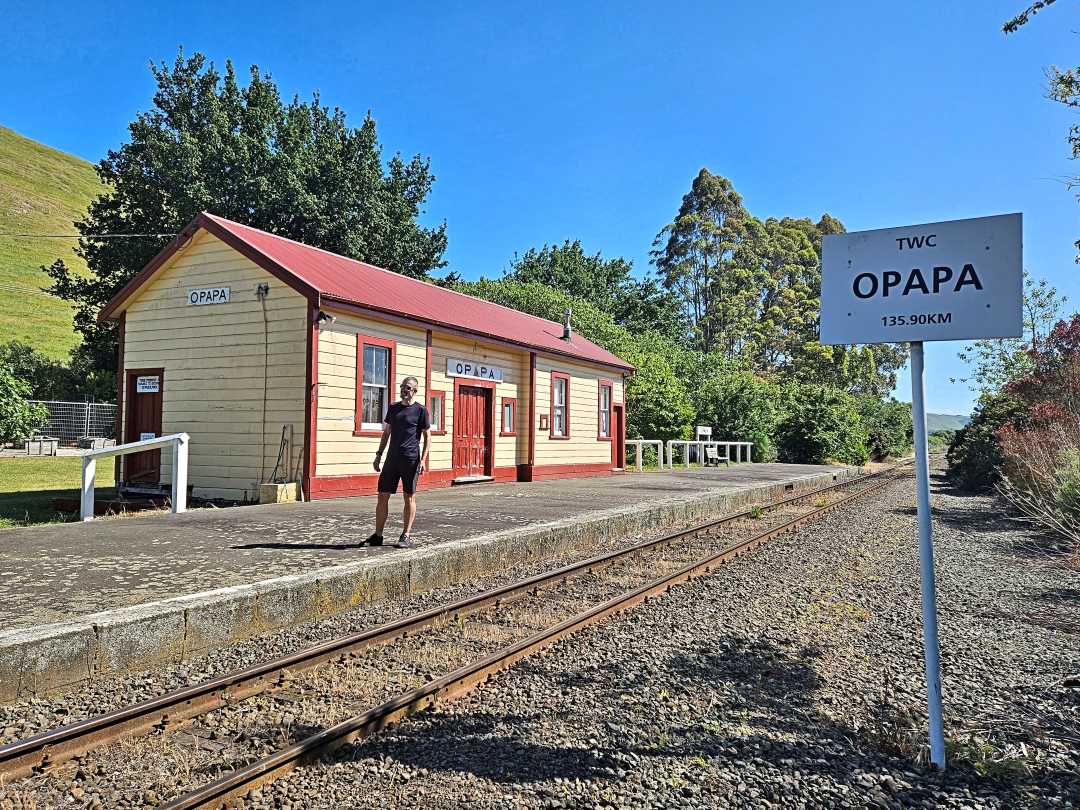
Once a thriving transport hub, the historic Opapa Train Station was lovingly restored by the local community
Planning a trip to Hawke's Bay?
What other questions do you have that we haven’t answered (yet)? Please let us know.
Before you go, if you liked our article and found it helpful, we would appreciate it if you could share it with your friends and family via the Share buttons below. Even better: Leave a short review on Trustpilot or Google, which would help us further build our online reputation as a (trustworthy and helpful) travel and lifestyle blog.