

This article may contain links to products and services we use and recommend. We may receive compensation when you click on links to those products. For more information, see our Disclosure Policy.

Are you planning a road trip around New Zealand and wondering what to see and do on the North Island? Well, you’ve come to the right place. We explored New Zealand in our campervan for 12+ months and have lived in different parts of the country over the years. Here are our highlights of the North Island – including handpicked experiences bookable on Viator.
Interested in replicating our itinerary? Check out our Ultimate New Zealand Road Trip Itinerary. And if you’re looking for similar tips for the South Island, head on over to the Must-Sees of the South Island.
Bay of Islands
Why (and what) you should see (in) the Bay of Islands
Apart from its natural beauty, the Bay of Islands is an excellent spot if you’re into history and/or art. You’ll find New Zealand’s oldest surviving (European) house and store in Kerikeri [Google Maps location] and the country’s oldest church in Russell [Google Maps location]. Waitangi near Paihia is a massive part of New Zealand’s history, and visiting the Treaty Grounds [Google Maps location] is a MUST for any visitor to Aotearoa.
If you like art, you may have heard of Hundertwasser, who lived and worked in the Bay of Islands for many years (and who is buried here). His architectural masterpieces are dotted around the globe, and two of them can be found in the Bay of Islands: the public toilets in Kawakawa (the small town you pass through on your way to Russell – Google Maps location) and the Hundertwasser Art Centre in Whangārei [Google Maps location]. The artist’s estate is now also open to visitors.

New Zealand's Oldest Church in Russell
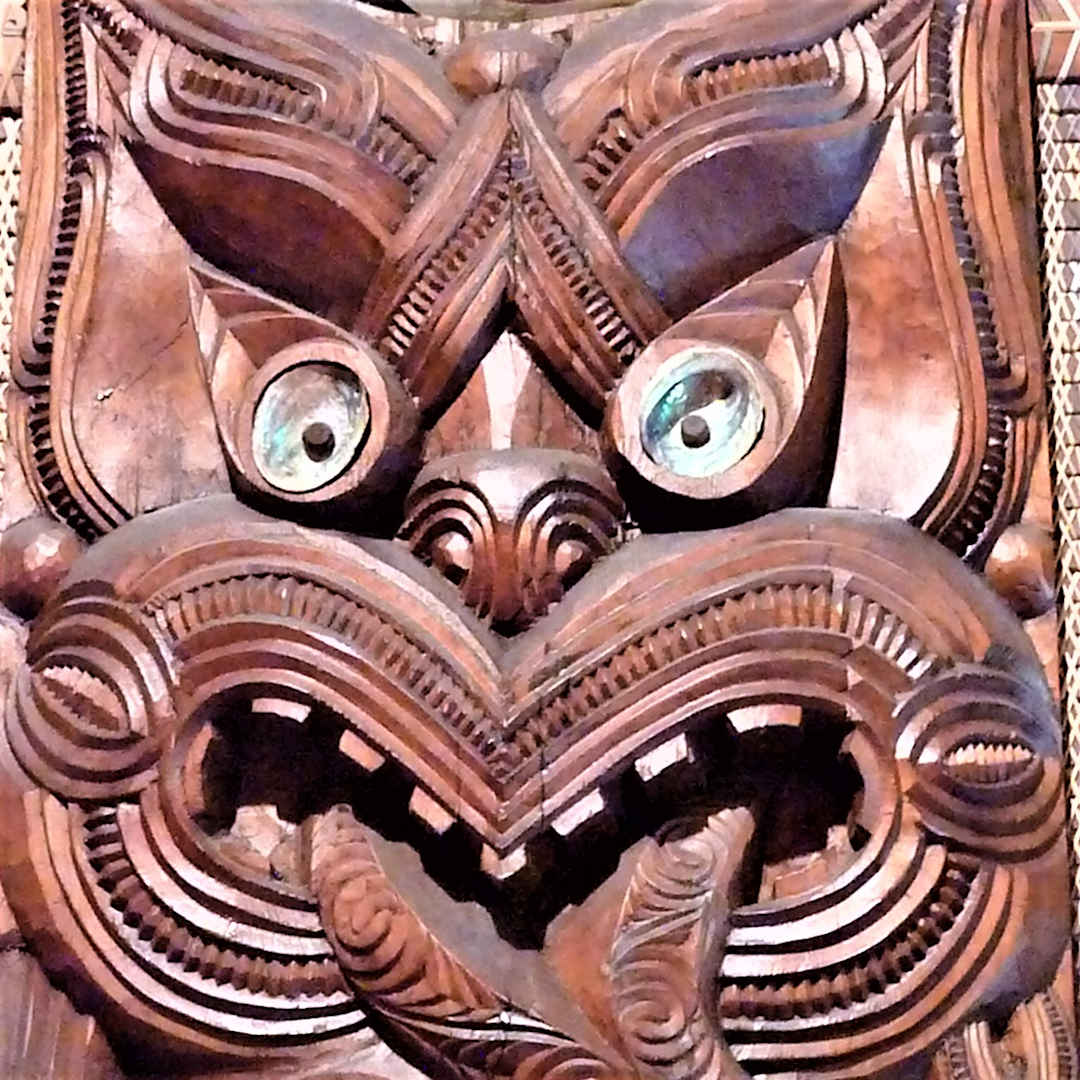
Māori carving at the Waitangi Treaty Grounds
Top Experiences in the Bay of Islands
Cape Reinga
Why visit Cape Reinga (and what are the highlights)
It’s quite a long drive to see the northernmost lighthouse in New Zealand [Google Maps location], but it is so worth it. On a nice day, you can see where the waves of the Tasman Sea meet the waves of the Pacific Ocean.
If you’re up for an adventure (and don’t mind getting sand into every fold of your body), you can sandboard down the Giant Sand Dunes at Te Paki, about 20km south of Cape Reinga [Google Maps location]. Boards are available for hire at the car park, but even just climbing them (and sliding down on your butt) is a lot of fun.
About 30km further south, you will pass the Te Kao Local Store [Google Maps location]. It might not look like much (and if you see a tour bus parked outside you might be stuck for a while), but you will thank us for recommending to stop here, especially on a scorching day… simply because they sell (huge scoops of) New Zealand ice cream. Paul’s favourite is hokey pokey – vanilla ice cream with small lumps of honeycomb toffee.

Above Cape Reinga Lighthouse

Te Paki Sand Dunes Fun
Kauri Coast
Why visit the Kauri Coast (and what to expect)
Two of the must-see attractions on the Kauri Coast are the Waipoua Kauri Forest and the Kai Iwi Lakes. The Waipoua Forest is one of the few remaining forests that once covered New Zealand. A spiritual treasure to local Māori, this forest is home to endangered Kiwis (the birds, not the locals or the fruit), and the oldest and tallest Kauri trees in the world:
- Tāne Mahuta (Lord of the Forest), the tallest [Google Maps location], and
- Te Matua Ngahere (Father of the Forest), the oldest [Google Maps location].
IMPORTANT Kauri Dieback is a soil-borne disease that is killing New Zealand’s ancient Kauri trees. Before and after every walk, you must clean your shoes at the designated stations — this isn’t optional. We made a habit of stopping at every cleaning point, even when it felt repetitive. It’s a small action, but it directly protects one of New Zealand’s most significant ecosystems. Stick to marked tracks and respect any closures.
The Kai Iwi Lakes are about 40km further south: three stunningly clear freshwater lakes with white sand beaches – perfect for relaxing, swimming, kayaking and fishing.
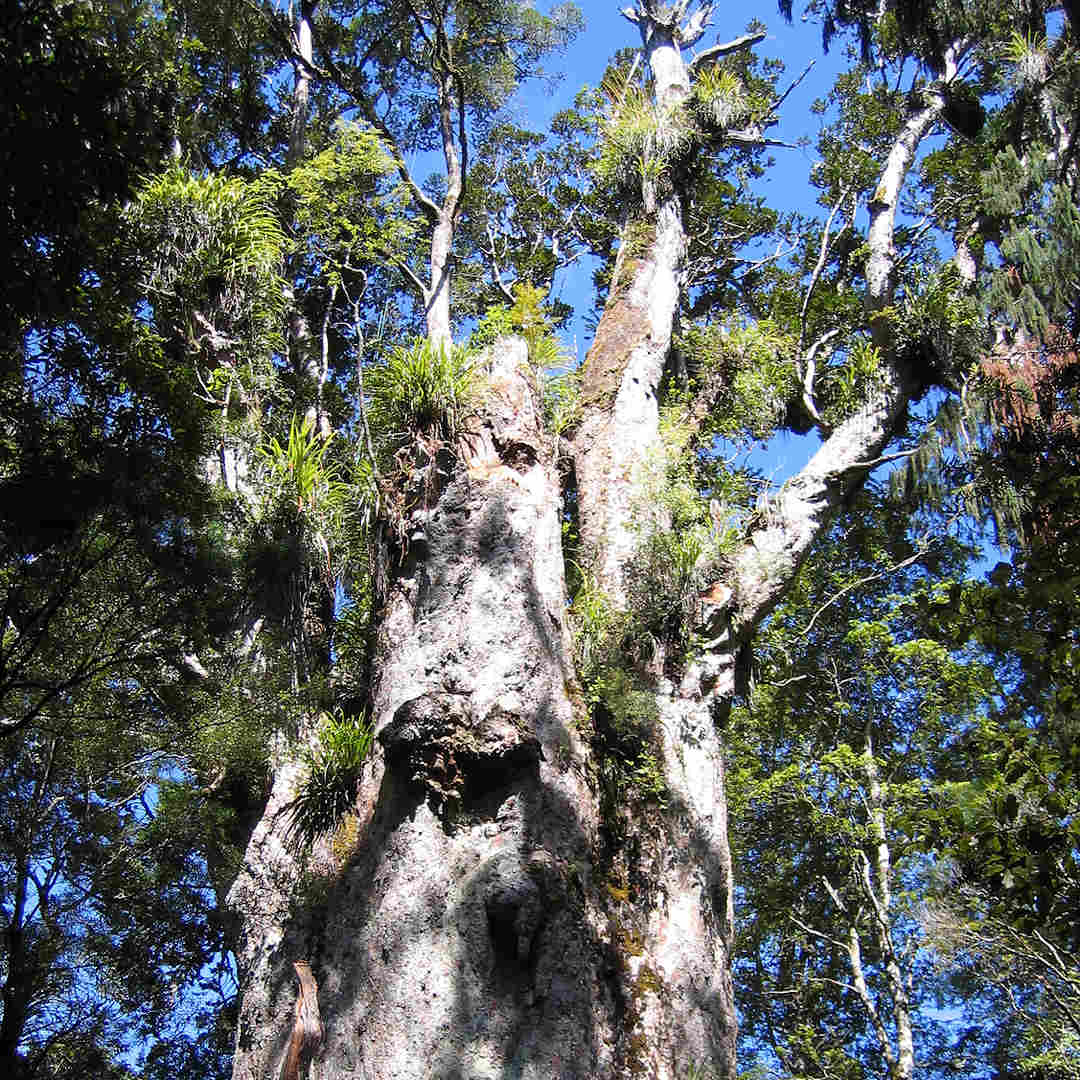
Te Matua Ngahere on Wikimedia Commons
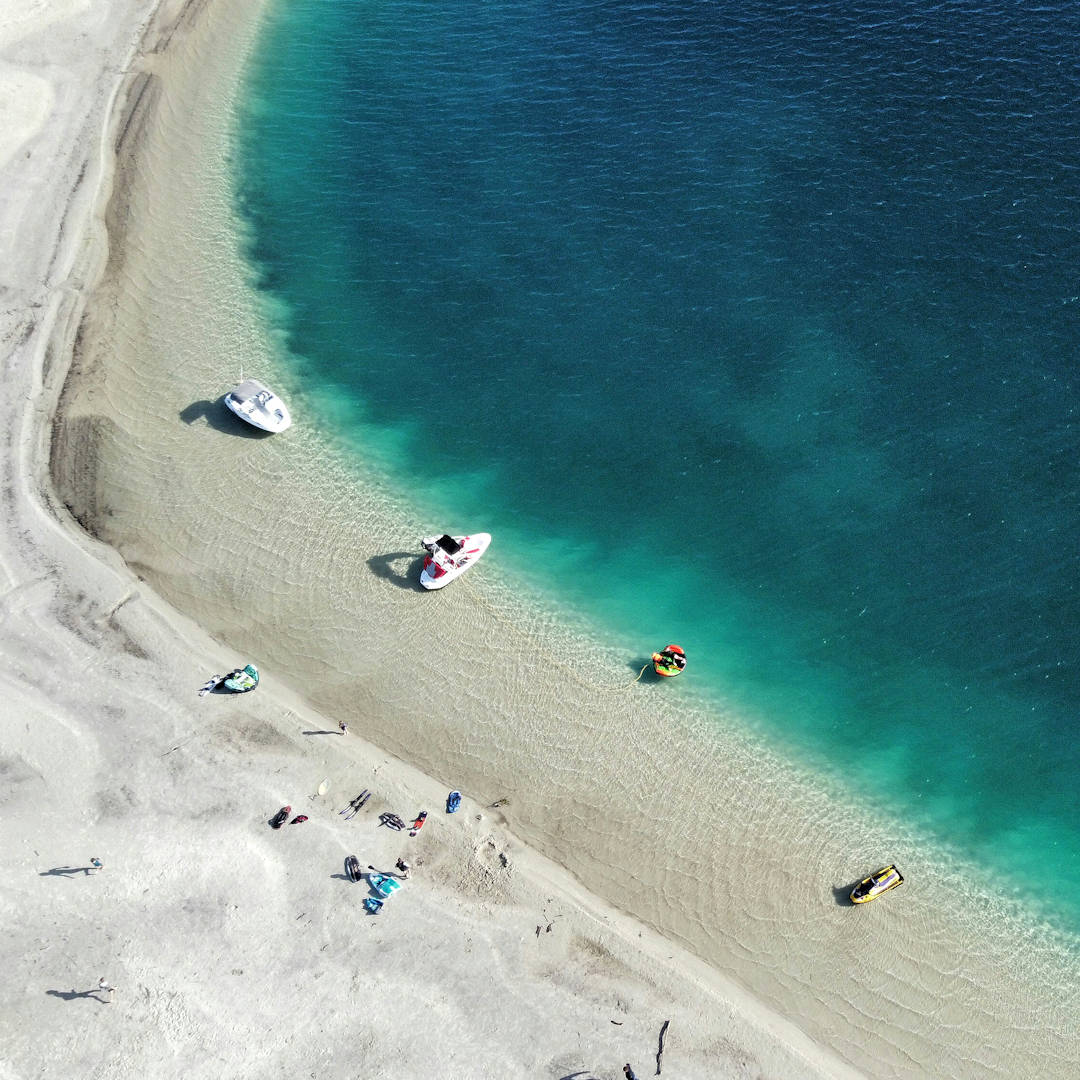
Kai Iwi Lakes by Toby Hall on Unsplash
Auckland and surrounds
Auckland attractions worth your time
Paul was born in Auckland, and his children and our grandchildren live here, so we spend a good chunk of time here every year. As the largest city in New Zealand (and home to about 1/3 of New Zealand’s population), Auckland and its surrounds can keep you busy for weeks:
- If you’re into tramping (Kiwi speak for hiking), we recommend ascending the summit of Rangitoto or one of the other volcanic cones in the city for excellent views of the city and harbour, and exploring the Waitākere Ranges.
- If you love wine, the wineries of North and West Auckland are less than an hour’s drive away.
- If you like museums, galleries, or want something to do on a rainy day, we highly recommend a visit to the Auckland Museum and the Auckland Art Gallery.
- And finally, if you’re a water baby, Auckland has some pretty incredible beaches: from the black sand surf beaches at Piha and Muriwai to the white sands of Maraetai, you will find your favourite.
- If you want an easy island day trip from the city, leave the ferry until last. Waiheke Island is the obvious choice for wineries, beaches, and a change of pace, but ferries also connect Auckland with other Hauraki Gulf islands. To compare routes, sailing times, and prices in one place, see our Direct Ferries online ferry booking guide.

Views of Auckland from North Head

Views of Rangitoto Island from North Head
Top Experiences in/around Auckland
How to find the best deals on rental cars
While we use public transport wherever possible, occasionally hiring a car or scooter makes it easier or gets us to places we couldn't reach otherwise. Whenever we do hire a vehicle, our first point of call is local providers. A quick Google Maps search shows who's near us. We then check the reviews and only contact those other travellers who had good experiences with. If we can't find anyone we're comfortable with, we search for car rental deals on Booking.com. They partner with trusted brands like Hertz, Avis, Budget or Europcar (and, in some locations, local providers, too).
Coromandel Peninsula
Why you should visit the Coromandel
The Coromandel is one of those places I could never get tired of. The road around the peninsula is very winding, and whoever drives needs to keep their eyes on it. But if you’re a passenger, it will be a feast for your eyes. You’d want to stop at every turn as you travel from one picture-perfect vista to the next – keep your camera ready. To top it off, the Coromandel has some great hikes, laid-back locals and gorgeous beaches. There is even one where you can dig your own spa bath into the sand.

Cathedral Cove by Hias Schell on Pixabay

Views of the Coromandel Peninsula
Top Experiences on the Coromandel
North-East Waikato
From gold mining history and stunning scenery to a very famous movie set
Heading from the Coromandel south towards Rotorua, we recommend a slight detour. This allows you to:
- Check out Waihi, an old gold mining town – the giant open mine is still in operation [Google Maps location] – and take a glimpse down into the abyss from a safe distance or join a tour of the mine.
- Drive/hike through the Karangahake Gorge [Google Maps location] and admire Owharoa Falls (one of the most beautiful and easiest accessible in New Zealand – Google Maps location).
- Pay a visit to Paeroa, home to its giant (world-famous in New Zealand) L&P bottle – the Lemon and Paeroa drink has made this town famous. While the recipe is a secret, it tastes like a mixture of cola and lemonade (in Germany, we would call it a Spezi).
- Check out the Hobbiton movie set [Google Maps location] on a working farm south-west of Matamata.
- Admire the stunning clear waters of the Te Waihou Blue Spring outside Putāruru [Google Maps location] and finish with a hike or mountain bike ride along the Waikato River trails.

Owharoa Falls

Hobbiton by Lucas Gruwez on Unsplash
Top Experiences in North-East Waikato
Rotorua
Why (and what) you should see (in and around) Rotorua
There is something magical about geysers, hot springs and geothermal activity. Don’t you think? Witnessing Mother Earth’s powers reminds us, mere humans, how insignificant we really are.
Rotorua and Taupo (together with the volcanoes of the Tongariro National Park and Whakaari/White Island in the Bay of Plenty) are part of the Taupo Volcanic Zone, one of the most active volcanic zones in the world. If you love everything geothermal, this is paradise: Te Puia with its Pohuto Geyser [Google Maps location], Wai-o-Tapu with its Champagne Pool [Google Maps location] and Frying Pan Lake in the Waimangu Volcanic Valley [Google Maps location] are just a few of the natural attractions in the area.
Rotorua also has a strong Māori identity: More than 1/3 of the district’s population is of Māori ancestry, and Rotorua is New Zealand’s first bilingual city. Visiting one of the Māori villages (for example, Whakarewarewa, Ohinemutu, Mitai or Tamaki) will give you a glimpse into Māori culture. Be sure to attend a Pōwhiri (Welcome Ceremony) – it provides a unique opportunity for visitors to experience Māori traditions in action.

Champagne Pool at Wai-O-Tapu

Whakarewarewa Pōwhiri by Bernd Hildebrandt on Pixabay
Top Experiences in/around Rotorua
East Cape
Why visit the East Cape and what to expect
The East Cape is New Zealand as it once was. It is rugged, wild and pleasantly non-touristy. Its locals are friendly and chilled (for the most part). Waihau Bay, on the road from Whakatane to the East Cape, is the setting of one of New Zealand’s must-see movies: Boy. There is no mobile phone or internet coverage: You have no choice but to disconnect.
The East Cape Lighthouse [Google Maps location] is the first spot in New Zealand to see the sunrise. While the closest campsite is only about 5km away, you must leave from there about an hour before sunrise. The road is very rough (I would only attempt it by car or campervan; a motorhome is already too big), and it takes about 20 minutes to climb the 700 steps up to the lighthouse. UPDATE December 2025: The trail to the lighthouse is closed for repairs until further notice.
Along the coastal road between Whakatane and Gisborne are many beautiful spots to check out: stunning Whanarua Bay, the picturesque Anglican Church in Raukokore [Google Maps location], the historic wharf in Hicks Bay [Google Maps location], the wood carvings in Tikitiki’s Church of St Mary [Google Maps location], charming Anaura Bay and the impressive, 660-meter-long Tolaga Bay Wharf [Google Maps location] are just a few of them.

Scenery along the road to the East Cape

Sunrise at the East Cape Lighthouse
Mahia Peninsula
Why a visit is worth your time
Mahia is conveniently located between the East Cape and (the rest of) Hawkes Bay – another place where you can get away from it all. Enjoy some great hikes, admiring stunning coastal vistas at every turn. You can even soak your tired muscles in the Morere Hot Springs afterwards.
The southern tip of the peninsula is home to one of Rocket Lab‘s launch sites. We happened to be there a few days after the first successful rocket launch and managed to see the launch pad in the distance.

Beach on the Mahia Peninsula
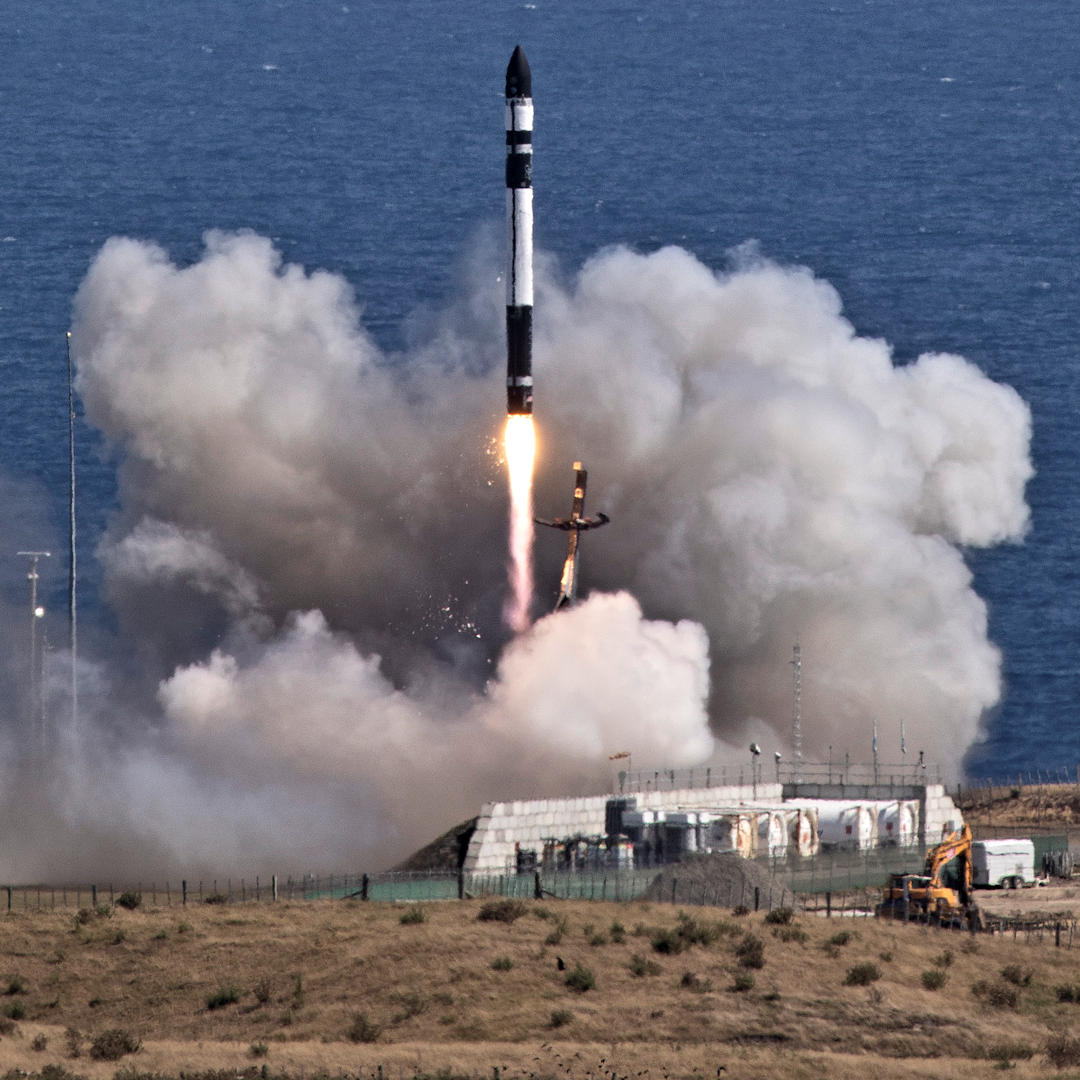
Mahia rocket launch on Wikimedia Commons
Hawkes Bay
Reborn cities among boutique vines
Most people visiting New Zealand skip the East Coast of the North Island. That’s a real shame.
If you’re into architecture, you’ll want to explore Napier and Hastings. In February 1931, a 7.8-magnitude earthquake shook Hawkes Bay, killing more than 250 people and devastating the region. Large parts of the twin cities had to be rebuilt, resulting in two destinations with unique Art Deco streetscapes. Some of Hastings’ original buildings survived the big earthquake, including its beautiful Spanish Mission-style Opera House. The earthquake and the subsequent rebuilding are commemorated every year at the Art Deco Festival.
If you’re more into food and wine than architecture, you will love Hawkes Bay for its orchards and boutique wineries (former PM Dame Jacinda Ardern famously tied the knot at one of them). Rush Munro’s ice cream is famous beyond Hawkes Bay, as are its Farmers Markets (Saturdays in Napier/Sundays in Hastings). And if you need to get rid of the calories after so much yumminess, you can hike and mountain bike to your heart’s content – from Te Mata Peak to other beautiful trails.
Hawke’s Bay has been our home base since early 2021, so we’ve also put together a practical Hawke’s Bay travel guide with our favourite places to stay, wineries, walks and 2–5 day itineraries. We also share more about this beautiful corner of Aotearoa in this podcast.
Hawkes Bay has been our home base since early 2021, and we share more about this beautiful corner of Aotearoa in this podcast.

Art Deco Buildings and Vintage Car in Napier

Tomatoes at Hawkes Bay Farmers Market in Hastings
Top Experiences in Hawkes Bay
Taupo
Why visit Taupo (and what are the highlights)
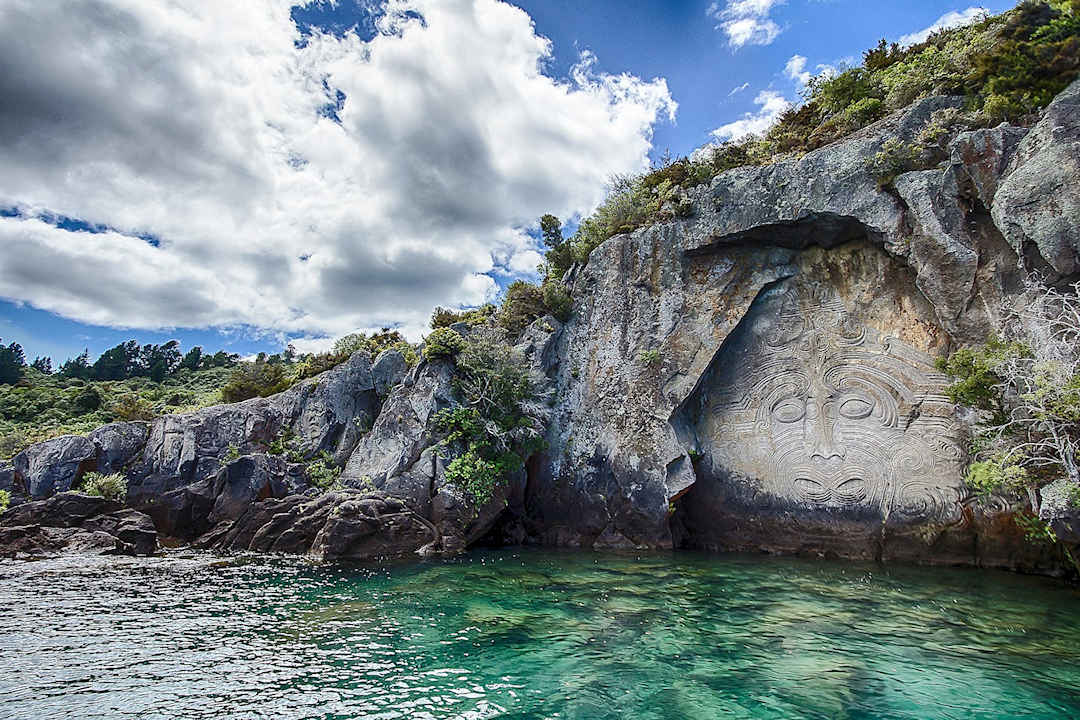
Did you know Lake Taupo resulted from one giant volcanic eruption 26,000 years ago? Yep, New Zealand’s largest lake is the caldera of a dormant volcano. To appreciate the lake’s size, join a boat or kayak tour from Taupo. This also allows you to check out the Māori rock carvings at Mine Bay [Google Maps location].
If you’re up for more geothermal exploration, Orakei Korako’s colourful silica terraces are worth a visit. You can also soak (free of charge) at the Otumuheke hot pools [Google Maps location] on the shores of the mighty Waikato river.
About 3km downstream from the hot pools are the spectacular Huka Falls, created where the Waikato river drains out of Lake Taupo through a narrow gorge, resulting in 220,000 litres of water per second (!) being pushed out of the gorge into the basin beneath the falls.

Huka Falls near Taupo

Orakei Korako near Taupo
Top Experiences in/around Taupo
Tongariro National Park
Why visit Tongariro and what to expect
While the most direct route from Taupo to Tongariro National Park (a UNESCO World Heritage Site) is just over 100km, we recommend a detour along Desert Road, especially on a sunny day. The road cuts through the Rangipo Desert, where the landscape is just out of this world. Note that the road is closed for short periods between May and October if conditions become too treacherous.
The Tongariro Alpine Crossing is one of (if not THE) most popular Day Hike(s) in New Zealand. Skiing on Mt Ruapehu’s ski fields of Whakapapa or Turoa is equally stunning. Either way, be aware that you are on an active volcano, and eruptions can happen at any time. In September 2007, one of the valleys I had enjoyed skiing in was covered by mud the next day after an overnight eruption sent a lahar down the mountain.
A lahar was also responsible for New Zealand’s worst rail disaster on Christmas Eve 1953, when the rail bridge over the Whangaehu River collapsed just as the Wellington to Auckland passenger train approached, killing more than 150 people on board. A memorial commemorating the tragedy is just off State Highway 49, about 10km after the turn-off from Desert Road [Google Maps location].

View of Mt Ngauruhoe from Desert Road

Tongariro's Emerald Lakes by Laura7933 on Pixabay
Top Experiences at Tongariro National Park
Waitomo
Natural treasures that (not only) glow in the dark
While not the only ones in New Zealand, the 300+ glowworm caves around Waitomo are a popular tourist attraction. You can even book day tours from Auckland.
Rather than joining the hordes of tourists, we took a caving tour with Down to Earth (formerly Glowing Adventures), a family business that shares its very own glowworm cave with interested visitors [Google Maps location]. The property is about 20 kilometres south of the more famous (and touristy) caves most tour groups head to.
Other attractions in the district include the Mangapohue Natural Bridge [Google Maps location], a double rock arch within a limestone gorge, Marokopa Falls [Google Maps location] and Waikawau Tunnel Beach [Google Maps location].
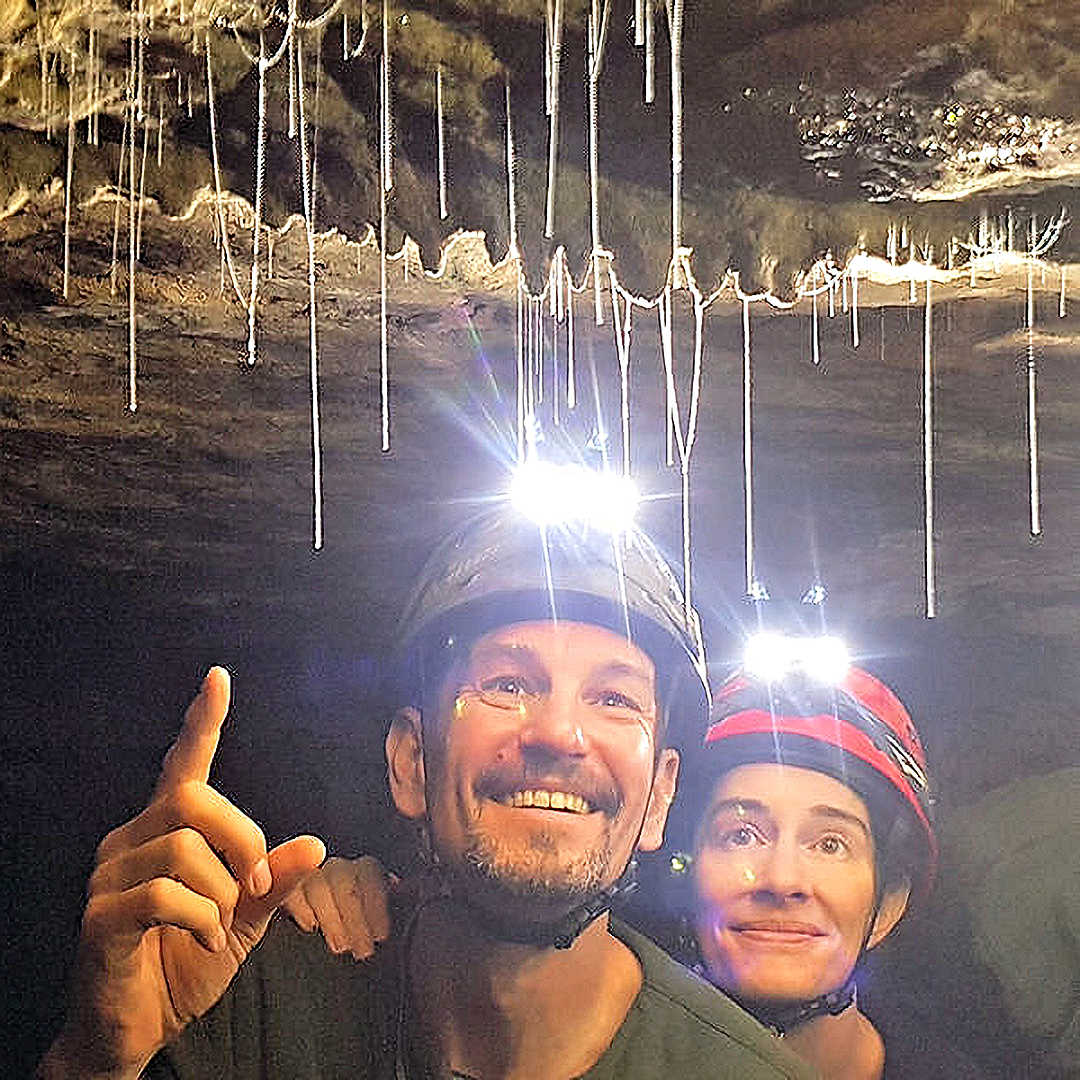
Waitomo Caving with Down to Earth
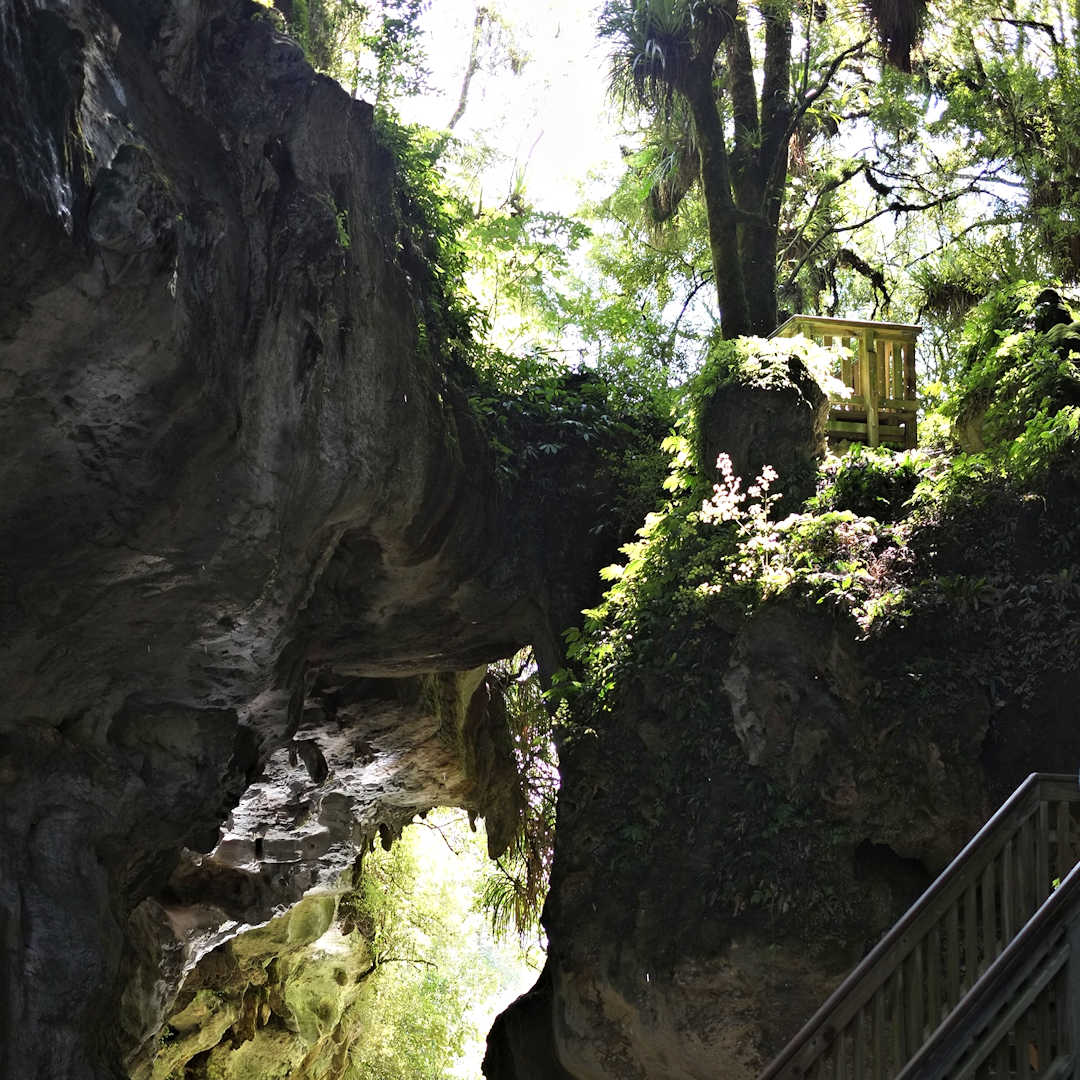
Mangapohue Natural Bridge | Image courtesy of Wikimedia Commons
Top Experiences in Waitomo
Taranaki
Why visit Taranaki (and what are the highlights)
As you’re travelling south from Waitomo, you’ll be passing another stunning coastal area: the Three Sisters and the Elephant Rock [Google Maps location].
On a clear day, as you’re looking south, you’ll be able to see a perfect cone-shaped mountain (not unlike Mt Fuji in Japan). This is Taranaki/Mt Egmont. Similar to Tongariro National Park, visitors to the Egmont National Park can enjoy excellent hikes – including the Pouākai Tarn Trek (a popular day hike) and the multi-day Around the Mount Circuit. There is also a little ski field, if you happen to visit in August/September.
The district’s vibrant capital New Plymouth to the northwest of the mountain has a beautiful coastal walkway to be explored on foot or by bike, and some very interesting museums and galleries, including the Aviation, Transport and Technology Museum, the Puke Ariki Museum and the striking Govett-Brewster Art Gallery. Another worthwhile stop is the Historic Museum in the old Tawhiti Cheese Factory near Hāwera.

Taranaki/Mt Egmont

Te Rewa Rewa Bridge in New Plymouth
Wellington and surrounds
What to see and do in/around New Zealand’s capital
The capital is one of our favourite cities in New Zealand. Its harbour setting is gorgeous. The city has a ton to offer, and most of it is FREE (or costs very little):
- A free guided tour of New Zealand’s Parliament buildings (including the aptly named Beehive) gives you a glimpse into one of the world’s most progressive democracies.
- Wellington has some world-class museums and galleries, and entry to many of them is free. As New Zealand’s national museum, Te Papa (meaning “Our Place” in Māori) is a MUST.
- If you love art of all kinds and/or unique fashion, the World of Wearable Art (held annually in September/October) should be right up your alley.
- The Town Belt, a vast green space, runs through the City and offers excellent hiking and mountain-bike trails. We hiked up Mt. Victoria for incredible 360-degree views of the city.
- Another cool (and easy) hike is along the Red Rocks Walkway, where you can observe the fur seals and dolphins that love to hang out along the Northern Cook Strait shoreline.
- While not free, taking the cable car up to the Botanical Gardens and then strolling through the gardens back down to the city centre makes for an excellent half-day outing, as does a tour of the Wētā Workshop – a MUST for any movie buff (whether you love Lord of the Rings or not).
Continuing to the South Island after Wellington? Scroll down to compare the current Wellington to Picton ferry sailings.

Beehive Parliament Building in Wellington

Views of Wellington from Mt Victoria
If you’ve got a bit more time:
- An hour’s drive north of Wellington is the beautiful Kapiti Coast, and a short ferry ride offshore a Nature Lover’s Paradise: Kapiti island. Those who love cars will enjoy the Southward Car Museum in Paraparaumu.
- A similar distance north-east (in the direction of Hawkes Bay), wine lovers will find another boutique wine area – the Wairarapa – and outdoor lovers some stunning hiking trails (including the Putangirua Pinnacles and the Cape Palliser Lighthouse, the southernmost point on the North Island).
- If you’re in the area, make sure to stop at the Cobblestones Museum in Greytown, a beautiful little museum telling the history of the region.
Ferry Crossing
After Wellington, the ferry to Picton is the natural next step if you are continuing your trip through the South Island by car. We have done the crossing several times over the years, usually with a vehicle, and it is one of the easiest ways to keep a road trip flowing without backtracking. The sailing itself is part of the journey too, leaving Wellington Harbour, crossing Cook Strait, and arriving through the Marlborough Sounds before you drive on into Marlborough or further south.
If you are travelling with a vehicle, this is the point where it pays to get organised. Sailings can book out quickly, especially when demand is high or services are disrupted, so compare your options and book as soon as your dates are firm. And if anyone in your travel party is prone to seasickness, take the Cook Strait part of the crossing seriously and come prepared. Use the Direct Ferries search tool below to compare current Wellington to Picton sailings, fares, and availability for your vehicle.
What are your favourite tourist experiences on the North Island?
Did I whet your appetite? Check out my itinerary for your Ultimate New Zealand Road Trip.
Have you visited Aotearoa? What are your favourites of the North Island?
Before you go, if you liked our article and found it helpful, we would appreciate it if you could share it with your friends and family via the Share buttons below. Even better: Leave a short review on Trustpilot or Google, which would help us further build our online reputation as a (trustworthy and helpful) travel and lifestyle blog.