

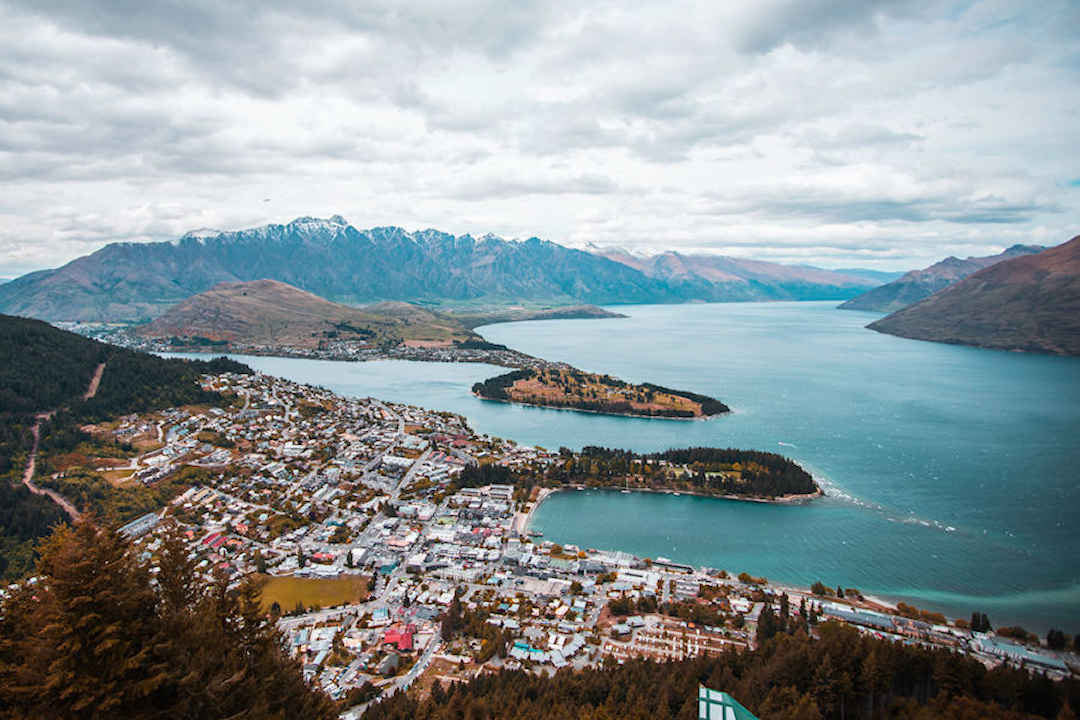
This article may contain links to products and services we use and recommend. We may receive compensation when you click on links to those products. For more information, see our Disclosure Policy.

Travellers to Aotearoa usually rave about their visit. But what do those on the supply side of New Zealand tourism say about what makes Aotearoa special? And what could be improved upon?
For this article, we interviewed Johanna (short: Joh). Joh has worked as a tour guide in New Zealand for many years. Born in East Germany (just like me), Joh has looked after German and other international tour groups visiting Aotearoa. And she still does, but now more in an office capacity – for one of the world’s most well-known responsible tour operators.
Paul and I met Joh on a guided walking tour around the Auckland suburb of Mt Eden in October 2017. The walk was part of the annual Heritage Festival, and different to her usual job, Joh attended as a guest. We’ve been friends with her and her family ever since. Everyone: Welcome, Joh.
MJ: Where in New Zealand do you like returning to (and why)?
Joh: Wow – Where do I start? New Zealand has so many stunning places. My favourites are usually places with an interesting walk and great views (and off the usual tourist track).
Favourite offbeat places on the North Island
I really like the Coromandel Peninsula. Not the more developed East Coast where everyone goes, but the West Coast and the top, north of the Coromandel township. The coastline here is rugged and wild, and it still feels quite remote. Taranaki is a bit of a secret and underrated, but it actually has a lot to offer: nice hikes and coastal walks, and beautiful beaches. Plus, New Plymouth is a cool town in its own right. Auckland’s West Coast is also largely off the tourist radar (thankfully). That’s where I live when I’m not on tour, and I love it.
Favourites offbeat places on the South Island
Abel Tasman National Park and Golden Bay are places I could never tire of. The best way to explore Abel Tasman is actually by kayak. The hikes can get very busy; everyone seems to do them. Speaking of kayaking, another great (and unspoiled) place to explore by kayak is Ōkārito Lagoon [Google Maps location], between Hokitika and the glaciers on the West Coast. And recently, I’ve become more and more a fan of Fiordland, despite the frequent rain.
Interestingly enough, even when doing the same tour (or visiting the same places) again and again, it’s different every time – because the people I’m with are different and so is the weather.
Handpicked Experiences on the North Island
MJ: What places do you like less (and why)?
Joh: These places are just as hard to pick. For me, it’s got nothing to do with the place itself but more with the development of that destination and the number of people going there. Some places are becoming overly crowded, which affects everyone’s experience.
For example, while I love the Tongariro landscape, I avoid the Tongariro Alpine Crossing, New Zealand’s most popular day hike. There are too many people these days, and more changes are needed to better manage the crowds.
Given how often I’ve visited Milford Sound, you’d think I’d be tired of it, but interestingly enough, Milford Sound is different every time. It’s quite a long (but very scenic) drive, especially when you go there from Queenstown on a day trip, so I always recommend staying in Te Anau. That said, if someone told me they’ve seen the fjords in Norway, I’d probably recommend they explore other parts of New Zealand instead of Fiordland.
Another place I prefer less is Rotorua. Again, the geothermal features there are stunning. It’s more about the crowds (and how they’re managed) that give the place a bit of a Disneyland feeling, which is a real shame.
In general, New Zealand is more about nature and less about the cities (with some exceptions). Visiting some Kiwi cities, like Hamilton, for example, can be quite disappointing.

Kayaking is a great way to explore Abel Tasman National Park
Planning to explore New Zealand independently?
We have created a tried and tested road trip itinerary that takes you from the very top of the North Island to the very bottom of the South Island, and from the very East to as far West as you can go. And if you’re planning to drive yourself around, make sure to check out these Important Safety Tips and these Essential Free Travel Apps for your New Zealand road trip.
MJ: What are the most common clothing mistakes people make when visiting New Zealand?
Joh: For some reason, visitors think it’s warmer here than it is. They often think it’s subtropical and don’t bring enough warm layers. I have no idea where this misconception comes from, as we’re quite far south.
Northland can be subtropical, but the rest of the country is not. People are surprised when you suggest bringing a beanie and scarf, for example. Although they come in handy anywhere in the New Zealand mountains.
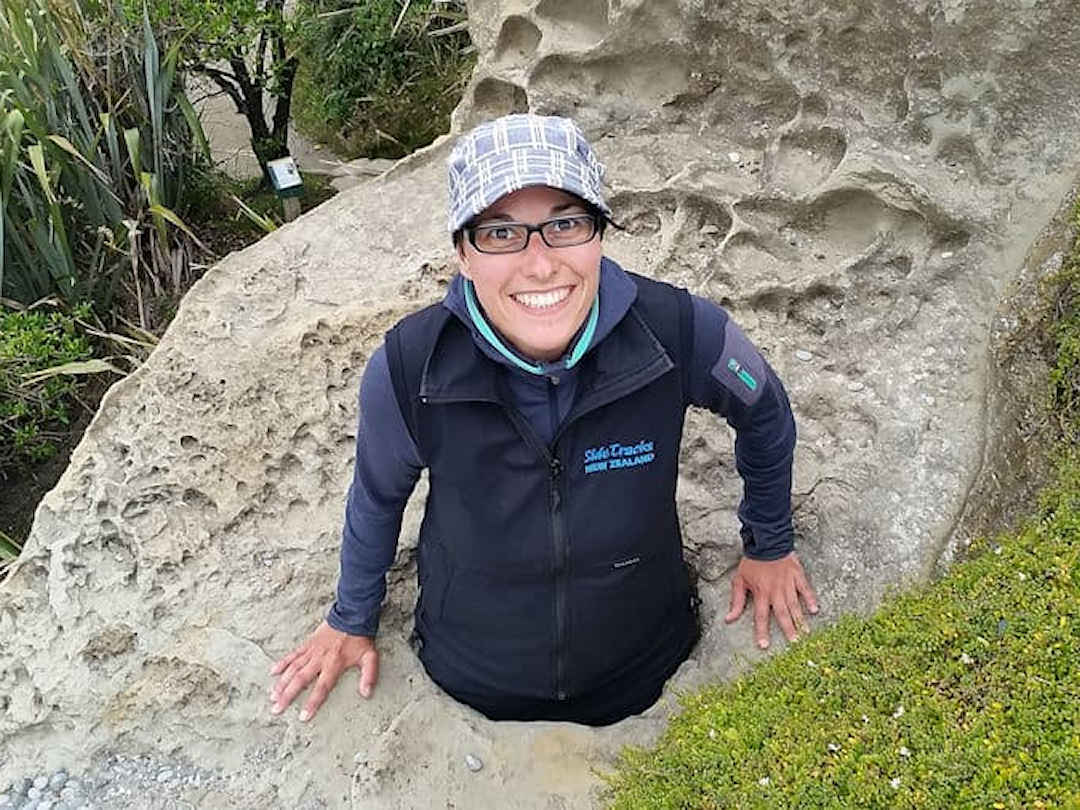
Warm layers and a hat are important things to pack for your New Zealand trip
The weather is a big topic when taking tourists around. Somehow, people expect the sun to shine when they are on holiday. The rain dampens the spirits and can spoil the whole holiday experience. Though it can be quite awesome – if you have the right gear to get out anyway.
On the flip side, when the sun is out, people tend to underestimate its strength and wonder why they get burned without a hat. “Slip, Slop, Slap” is not just a popular slogan for sun safety in Australia.
Handpicked Experiences on the South Island
MJ: What foods should people try when visiting New Zealand?
Joh: Does New Zealand have its own cuisine? In all honesty, most of the typical food here is imported from the very countries many visitors come from, like pies or fish’ n’ chips (though some New Zealand pies are delicious). I guess the things that are (a bit) more unique to New Zealand are Marmite, Pavlova and Feijoas. But especially Marmite and Feijoas seem to attract divided opinions, so I’m not sure I would recommend them to tourists.
One experience I would recommend, though less for the food and more for the overall experience, is a traditional Māori Hāngī. I attended my first Hāngī while volunteering on a farm in the Catlins.

Participating in a Hāngī is a uniquely New Zealand culinary experience | Image on Wikimedia Commons
MJ: Speaking of Māori traditions, where and how can you get to know the Māori side of New Zealand?
Joh: New Zealand was settled from North to South, so the majority of the Māori settlements and tribes were and still are on the North Island.
If you want to experience the Māori side of New Zealand, the most important thing you need is time. You can’t do that on the go. The welcome ceremonies and cultural shows you can attend in Rotorua and other places are the Māori experiences for tourists. Still interesting and insightful, but if you want to immerse yourself in Māori culture, the best way to do this would probably be to spend a couple of weeks around Northland or the East Cape, staying with Māori families and getting involved in the local communities.
The Whanganui River in the centre of the North Island is also a good place to get closer to the Māori roots of New Zealand. The river holds special significance for the Māori (it was the first river in the world to be granted personhood in 2017). One of the campgrounds you stay at when kayaking along the river belongs to a Marae, and the warden talks about the cultural significance of the area and what is expected from the visitors.

Northland, the East Cape and the Whanganui River are the best places to connect with New Zealand's Māori heritage beyond the Rotorua tourist shows
MJ: What is the worst tourist behaviour you have experienced while touring New Zealand?
Joh: What annoys me most is the dumping of rubbish in nature and in public toilets (even when there are empty rubbish bins outside). I have never experienced freedom campers defecating in public places, but I understand why people get angry when they find toilet paper in the bushes next to parking lots, near hiking trails or right by their houses. Do people do that at home?
I also find it disturbing when tourists take over a place, and there is no more room for the locals living their everyday life. I think it is important to respect that places are not just tourist destinations, but also someone’s local shop, church, street, neighbourhood, etc. And people who happen to live in touristy places still have a right to privacy. I don’t think tourists here would like it if visitors to their home country take random pictures of their backyards or children.
One of my greatest personal pet peeves is the driving of some fellow road users. Especially motorhome and RV drivers are often not used to driving these huge vehicles. Also, they are not used to New Zealand’s narrow, windy roads and to driving on the left. While there’s nothing wrong with going slow – in fact, it’s actually safer – it should be common practice (and courtesy) to pull over and let other, faster vehicles pass.
On tours, we’re always on a schedule, and it can be frustrating to get stuck behind a slow vehicle for a long time without a chance to pass. The roads are often too winding, and heavier vehicles (our minibuses included) cannot accelerate quickly enough to overtake on a short straight stretch. So, pull over when someone is behind you and let them pass.

If you rent a motorhome in New Zealand, drive carefully but let faster vehicles pass where it's safe to do so | Image by Aston Yao on Unsplash
MJ: Let’s have a look behind the scenes. What is life as a tour guide like?
Joh: The coolest thing about it is that your holiday is my office. I mean, who else is getting paid to do bush walks, spot wildlife or go on a helicopter flight? I’m outdoors most of the time, get to see stunning places, do amazing things and meet a lot of interesting and different people. All of this makes it a great job, and I love it!
At the same time, it is actually hard work. And it’s not just one job, but a lot of different ones combined: As a guide, you’re a driver, leader, (travel) adviser, organiser, educator, translator, cook, caterer, entertainer, caretaker, mediator and sometimes even a bit of a psychologist – so a Jack of all trades with a really broad skill set.
Guides have to get along with people from different age groups, backgrounds and cultures. And they need to be assertive and able to improvise when things go off plan. These different aspects keep the job interesting, even though it can be quite intense at times. I guess one of the biggest challenges is the transitory life that comes with always being on the road, and unfortunately, it doesn’t pay that much either. You gotta love it and the lifestyle that comes with it – the exciting diversity, but also the uncertainty.
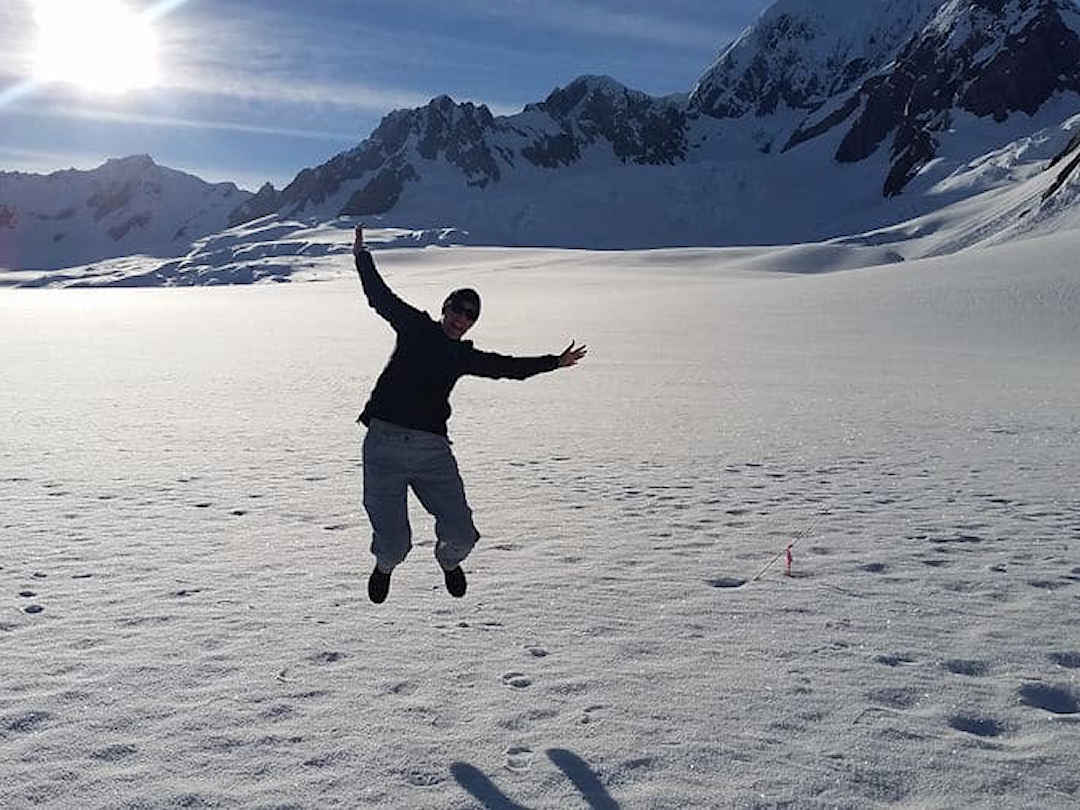
Getting to see stunning places and doing amazing things are some of the perks of being a tour guide... but it's not all fun and games
Being away for weeks at a time is hard on relationships – partners, family and friends alike. I’ve always made an effort to connect with my partner and my family, even when busy on a tour. But even with all of today’s technology, nothing beats physical presence. For that reason, it’s important for a tour guide to have time off between tours. But it doesn’t always work. It’s a seasonal job, and you gotta work when there is work.
Something I didn’t make too much of when I first started this job was the people aspect. I love working with and being around people. However, being with others all the time, almost 24/7, is a whole different level. With some groups, it feels like being on holiday with friends, and they give you energy. Other groups are hard work, require lots of attention and drain your energy levels. Sometimes it’s also hard to find downtime (and privacy): When camping, we’re almost always with the group. We cook meals and eat together. And there is a lot more equipment to constantly watch over. Hotel tours allow for a bit more personal space, as guides have their own room. We can close the door and have meals by ourselves. The occasional retreat is not anti-social, it’s necessary for us to (continue to) do our job.

Camping tours can be awesome but also a lot of work... for the tour guide
A different and very interesting aspect of the job – and actually quite a responsibility – is that, as tour guides, we represent New Zealand and its culture and influence visitors’ perceptions. What a guide thinks and says can become a ‘fact’ for people who visit this country without really immersing themselves in the life and culture here.
I’d like visitors to New Zealand to form their own opinion and get the broader picture. I’ve therefore always tried and helped my guests understand why things are the way they are. I’ve always strived to give everyone on my tours the best experience possible, and have often gone the extra mile to achieve that.
MJ: What did you travel with when touring New Zealand?
Joh: I have been travelling for a while, and I had been downsizing my clothing, cosmetics, devices, etc even before becoming a tour guide. When on tour, my life had to fit into two duffel bags. Everything had to be practical, and as small and light as possible. And I had to be able to use it in more than one way and combine it with other things.
For example: I used an e-reader instead of paper books. My smartphone was my point-and-shoot camera. I wore a lot of outdoor clothing, layered up during the colder months. And whenever I bought a new piece of clothing, it usually replaced an older one. I had a really good daypack, too, to carry all the gear I needed on tour.
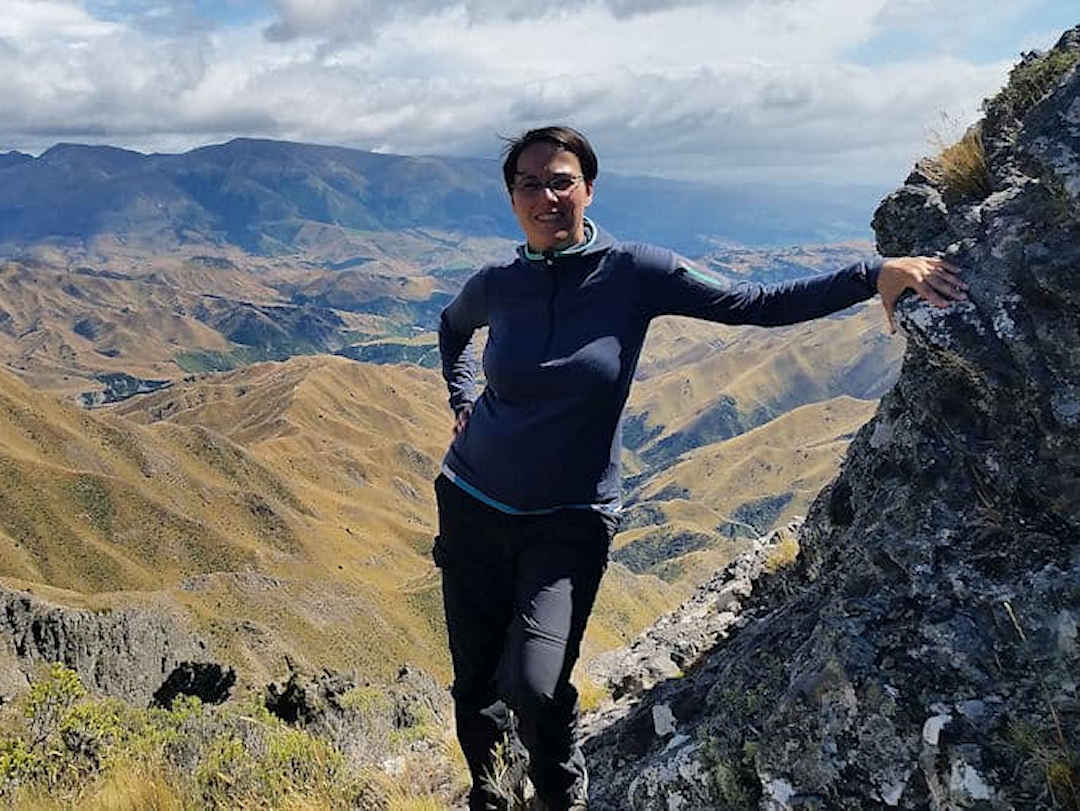
A tour guide's wardrobe is practical with a lot of outdoor clothing
More recently, I noticed that when you add something or someone to your life, it usually comes with more things:
- A hobby often comes with equipment: I paraglide, and that’s a whole travel pack full of gear.
- The freedom of having my own transport: Riding my motorbike requires a helmet and riding gear.
- In the office, and when socialising with friends or dining out with my partner: Not occasions to wear outdoor clothing.
- Having children: Kids come with a lot of stuff – we try and keep it manageable by rotating toys from our local toy library.
While I own more these days, I’m still a minimalist at heart: I still have the same values, and I still apply the same principles when making decisions about what I bring into my life (and what I don’t).
MJ: How has your work as a tour guide influenced your behaviour as a tourist?
Joh: I guess I am more aware of tourist behaviour and how it might affect locals. I try to respect places as someone’s home and living space. I appreciate that I am allowed to see and experience certain places and things, and don’t take that for granted or consider it my right. And I am more relaxed when things don’t go as planned. That’s just life, and we can’t do anything about it. Most of the time, it doesn’t matter anyway: after all, it’s a holiday, and it’s usually an awesome experience even if things go off plan.
I’m more of an independent traveller personally, but if I go on an organised tour, I have different expectations, knowing the work that is involved. I tend to go easier on the tour guide. But at the same time, I have quite high expectations concerning service, commitment and knowledge. I would dig deeper and ask more questions. So, I guess, knowing the trade makes you more aware of and appreciative of the efforts made, but it also makes you more critical.

Tour guides are only humans too...
MJ: Finally: How have the tourism facilities in New Zealand changed over the years?
Joh: I’m certainly no expert, but I’m happy to share my five cents. Tourism New Zealand has focused on attracting more visitors from around the world for many years, and they have been very successful. The industry has grown massively.
Unfortunately, facilities often haven’t kept pace with the influx of visitors this country has seen over the last decade. This is most apparent at popular destinations. I’m often surprised by the accommodation infrastructure and the sometimes rather poor standard relative to the high prices, and so are our guests. A lot of places have a 1980s feel, but charge prices you would expect for modern amenities. Particularly in smaller towns with few accommodation options, hotel/motel owners sometimes seem to be doing the bare minimum, especially when they can rely on large-group bookings.
The focus and dependence on large groups often brings the service quality down, especially for individual travellers or smaller groups. I guess you don’t have to put in as much effort if a Chinese tour operator books your place five years in advance, and you’re set no matter what. Luckily, this is different for smaller establishments, like family-run BnBs and Guest Houses. The service there is (still) more personal, and the facilities are often really nice and well-kept (and more aligned with the price tag).
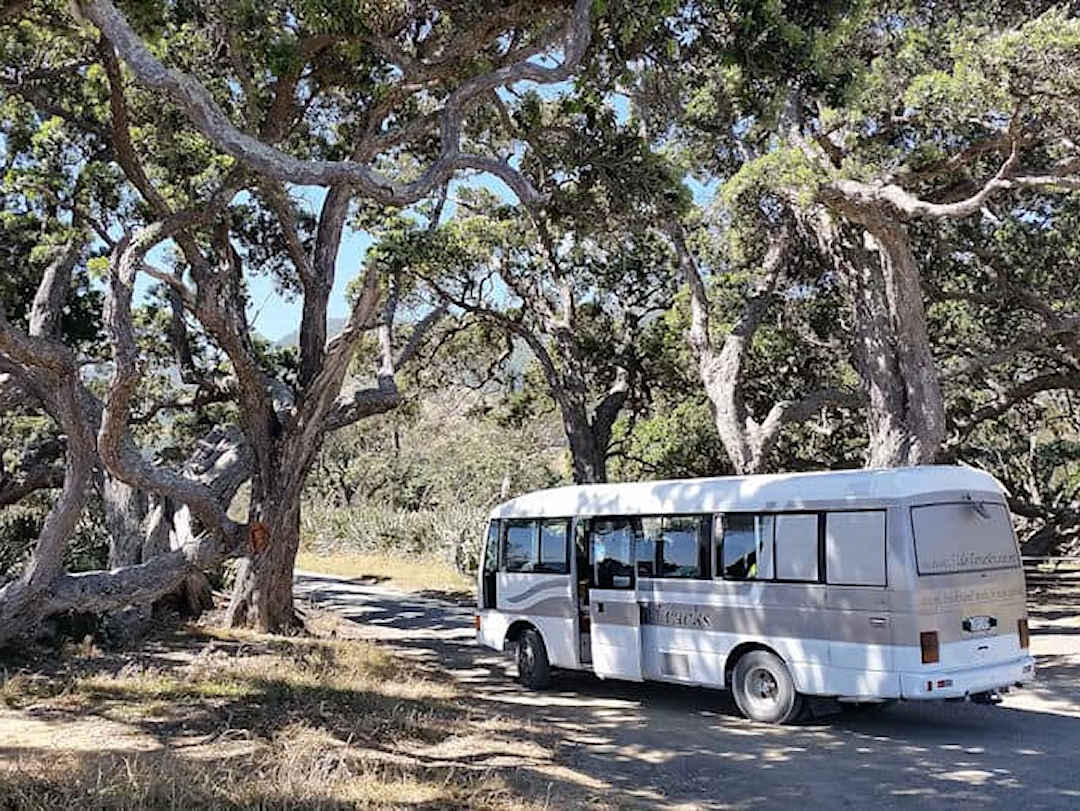
New Zealand is best explored on small group tours (or independently)
I don’t want to sound all negative. There are very positive things about New Zealand‘s tourism infrastructure, too.
For example, I really like that free public toilets are everywhere. A lot of our guests notice and love it too. In Germany, you have to pay to use public toilets almost everywhere you go. Public bathroom facilities in Aotearoa are usually reasonably clean, too, and if not, then it’s mostly due to a lack of respect and cleanliness of the users, often the tourists themselves. Recently, I also noticed that public toilets have been upgraded or new ones have been built in many places. That’s awesome, and it makes life for tour guides easier, too.
What were your impressions of New Zealand as a tourist?
Have you travelled around New Zealand? What were your impressions? And if you travelled as part of a tour group, what was your experience? Let us know.
Before you go, if you liked our article and found it helpful, we would appreciate it if you could share it with your friends and family via the Share buttons below. Even better: Leave a short review on Trustpilot or Google, which would help us further build our online reputation as a (trustworthy and helpful) travel and lifestyle blog.