

This article may contain links to products and services we use and recommend. We may receive compensation when you click on links to those products. For more information, see our Disclosure Policy.

Indonesia is often seen as a budget-friendly destination — even once you factor in the cost of getting there. But how affordable is it really when you slow down, stay longer, and travel beyond Bali?
We spent two months travelling across Indonesia, trying different foods, learning about the country’s rich cultural tapestry, climbing mountains, and moving between islands by plane, train, bus, ferry, car and scooter. Along the way, we tracked every expense and paid close attention to how we actually spent our money – not just how much.
Because in our experience, cost isn’t just about the headline numbers. It’s shaped by the decisions you make daily: how you pay, where you withdraw cash, when you convert currency, and how often small fees quietly add up. In this article, we share our actual travel costs and the lessons behind them – so you can understand what it really costs to travel in Indonesia and make more deliberate choices with your money along the way.
First of all: What currency is used in Indonesia?
For those of you who’ve never been to Indonesia: the official currency is the Indonesian Rupiah (IDR). You may also see it abbreviated as Rp. It was introduced in 1950, shortly after Indonesia gained independence.
During your travels, you’ll come across:
- Coins in denominations of IDR50/100/200/500/1,000 (though we mostly only saw the 500 and 1,000 coins — even IDR1,000 is worth very little in practice)
- Banknotes in denominations of IDR1,000/2,000/5,000/10,000/20,000/50,000/100,000.
Since 2010, there has been ongoing discussion about redenominating the currency (removing three zeros), but this hasn’t happened. What matters more in practice is how quickly the numbers add up. You’ll often be dealing in tens or hundreds of thousands of Rupiah for everyday transactions, which can feel unfamiliar at first. We found it helpful to keep a rough mental conversion in mind (for us, that meant converting back to US dollars) and to sense-check larger purchases before paying – especially in places where prices weren’t clearly displayed.
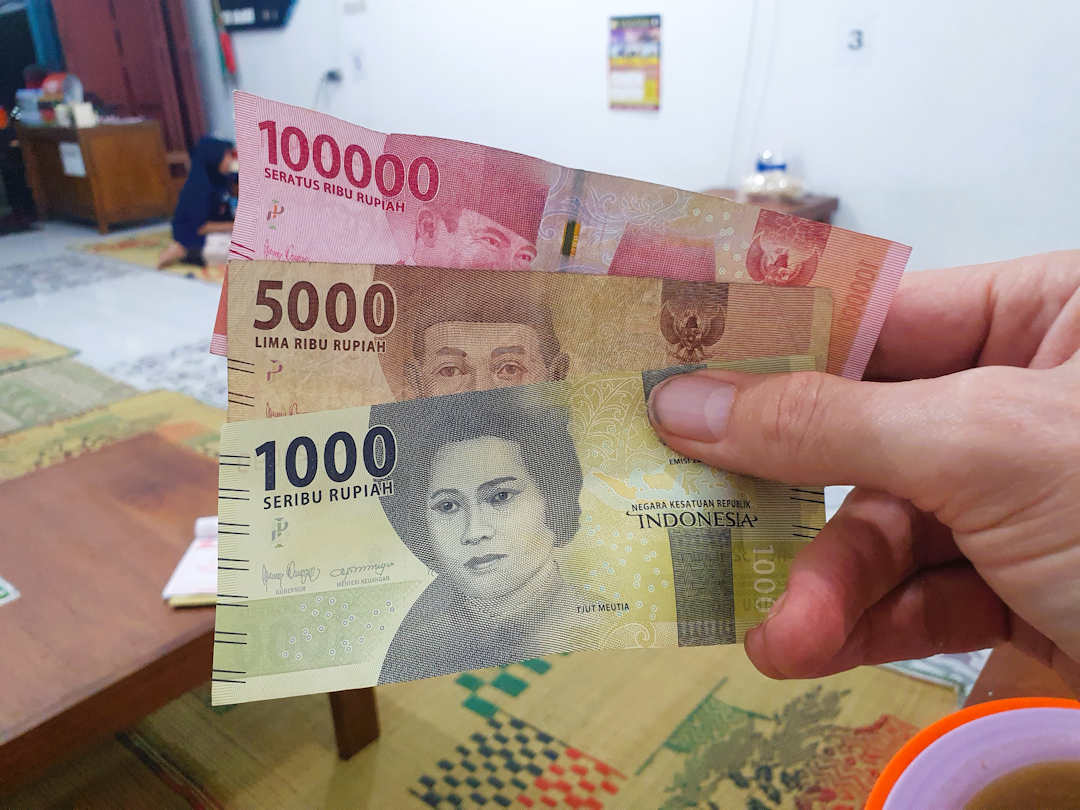
Ever wanted to be a billionaire? Come to Indonesia, where less than USD70 makes you one
Travel Cost Assumptions
When reading this article, please note that our travel costs are based on a couple travelling together. We are independent, budget-conscious travellers who plan our trips carefully and track our spending as we go. Our travel style is reasonably consistent wherever we go, which makes it easier to compare travel costs between destinations and over time:
- Accommodation: We usually stay in self-catered accommodation (homestays, locally owned guesthouses, hostels and short-term rentals) - ideally with a private bathroom, though kitchens and other areas may be shared.
- Dining and Groceries: We typically eat two meals a day at home and eat out once a day or every few days (favouring locally owned restaurants away from tourist hotspots).
- Experiences: Many of our activities are free or low-cost. When we do pay for attractions or activities, we choose carefully - our budget is limited, just like everyone else's.
- Transportation: We walk frequently and use public transport wherever possible. We only occasionally hire a vehicle. Entry and exit costs between countries are not included (though we may reference them separately).
- Other: Our daily costs also include essentials like communication, insurance and basic admin required to stay location-independent.
Because we follow a consistent approach and keep a close eye on our spending, these numbers reflect what we actually paid - not estimates.
How much did it cost us to explore Indonesia?
Considering the above assumptions, we spent an average of IDR 819,697 per person per day. These aren’t estimates. They’re based on what we actually spent over 59 nights travelling across Java, Lombok, Flores and Bali (and a few smaller islands).
Because we tracked our expenses consistently throughout the trip, this breakdown reflects how our money was really used — across accommodation, food, transport, experiences and everything in between. Below is a summary of those costs.
| Category | IDR Cost Per Person Per Day | USD Cost Per Person Per Day | Percentage of total |
|---|---|---|---|
| Accommodation | 148,624 | 9.36 | 18% |
| Groceries and Dining | 144,337 | 9.09 | 18% |
| Transportation | 161,873 | 10.20 | 20% |
| Experiences | 177,872 | 11.21 | 22% |
| Travel Insurance | 146,503 | 9.23 | 18% |
| Miscellaneous | 40,488 | 2.55 | 4% |
| Total per person per day | IDR819,697 | USD54.19 |
Map of Accommodation, Points of Interest, Eateries and Transport
Below is a map of the recommended accommodations, points of interest, eateries, and transport terminals or stops mentioned in this article.
How much to budget for accommodation in Indonesia?
During our two months in Indonesia, our accommodation costs averaged IDR 262,905 per room per night. We stayed mostly in locally owned guesthouses and homestays, usually with a private bedroom and bathroom.
What surprised us wasn’t just the price; it was how often payment methods influenced the final cost.
In many places, paying in cash was either expected or came with a small discount. In others, card payments were accepted, but sometimes included additional fees. That meant we often had to decide not just where to stay, but how to pay, especially when trying to avoid unnecessary charges.
The table below lists all the accommodations we stayed at, including places we wouldn’t choose to stay again. Most offered free Wi-Fi (with varying speeds) and air-conditioning, and where included, breakfast is reflected in the price.
| Name | Property Features | Location | Type | IDR Cost per night | Number of Nights | Book Now |
|---|---|---|---|---|---|---|
| Asta House | Clean rooms Central yet quiet location Walking distance to airport | Kuta | Guesthouse | 229,500 | 2 | Book Now |
| Teras Alkid Homestay | Wetroom-style bathroom without basin Transactional hosts Opposite mosque | Yogyakarta | Homestay | 226,909 | 5 | Book Now |
| Griyo Jagalan | Friendly hosts Offers bicycle rental and private tours Certain documented environmental practices implemented at property. | Borobudur | Guesthouse | 225,387 | 2 | Book Now |
| Algira Homestay | Hosts don't live on-site Basic kitchen Not clean Basic bicycles available to use free of charge | Prambanan | Holiday house | 210,000 | 2 | Book Now |
| Delvia Bromo | Clean rooms with beautiful valley views Friendly hosts Close to National Park entrance Certain documented environmental practices implemented at property. | Bromo | Guesthouse | 226,925 | 2 | Book Now |
| Griyo Sultan Agung Guest House | Close to Malang train station Small rooms Large courtyard | Malang | Guesthouse | 280,000 | 2 | Book Now |
| Dewi Sri Guesthouse | Outdoor swimming pool Walking distance from Immigration Office and Lombok's largest mosque Certain documented environmental practices implemented at property. | Mataram | Guesthouse | 231,660 | 3 | Book Now |
| Green Rinjani Lodge | Clean rooms with beautiful views Certain documented environmental practices implemented at property. | Senaru | Guesthouse | 235,536 | 1 | Book Now |
| Mysha Guest House | Friendly hosts On-site restaurant Offers private tours Certain documented environmental practices implemented at property. | Tetebatu | Guesthouse | 169,894 | 3 | Book Now |
| Kristal Garden | Clean rooms Outdoor swimming pool On-site restaurant | Sekotong | Guesthouse | 382,199 | 4 | Book Now |
| Maja House Penida | Friendly hosts Clean rooms Certain documented environmental practices implemented at property. | Penida | Guesthouse | 243,690 | 5 | Book Now |
| Nusa Garden Homestay | Clean rooms Certain documented environmental practices implemented at property. | Nusa Lembongan | Homestay | 300,000 | 2 | Book Now |
| Golo Tango Homestay | Walking distance to airport | Labuan Bajo | Homestay | 293,084 | 1 | Book Now |
| Ragos Homestay | Airport transfer available Friendly hosts Certain documented environmental practices implemented at property. | Moni | Homestay | 277,587 | 4 | Book Now |
| Dagalos Homestay | Friendly hosts Very basic room Shared bathroom Central location | Bajawa | Homestay | 200,000 | 3 | Book Now |
| Mamas Homestay | Friendly hosts Clean rooms Shared bathrooms | Rutang | Homestay | 300,000 | 3 | Book Now |
| Mehara Hotel | Clean rooms Central yet quiet location | Labuan Bajo | Hotel | 350,000 | 3 | Book Now |
| Nyoman Guesthouse Berawa Canggu | Central yet quiet location Outdoor swimming pool | Canggu | Guesthouse | 300,000 | 2 | Book Now |
| Gosela Homestay | Friendly hosts Clean rooms Vehicle required | Gobleg | Homestay | 242,002 | 3 | Book Now |
| Gerhana Sara | Friendly hosts Clean rooms Outdoor swimming pool Central yet quiet location | Ubud | Guesthouse | 292,501 | 2 | Book Now |
| Loka Amertha | Friendly hosts Clean rooms Vehicle required | Sideman | Homestay | 337,539 | 2 | Book Now |
| IDR262,905 |
Our most expensive accommodation was at Kristal Garden in Sekotong, Lombok — at IDR382,199 per night for a modern, clean, air-conditioned, stand-alone bungalow, with a (shared) swimming pool and breakfast, only 500 metres from Kemos Beach where the boats departed for the Secret Gillis.
What stood out wasn’t just the comfort — it was how predictable the pricing was. Places like this were typically quoted in Indonesian Rupiah, with little room for negotiation and consistent pricing regardless of how we paid.
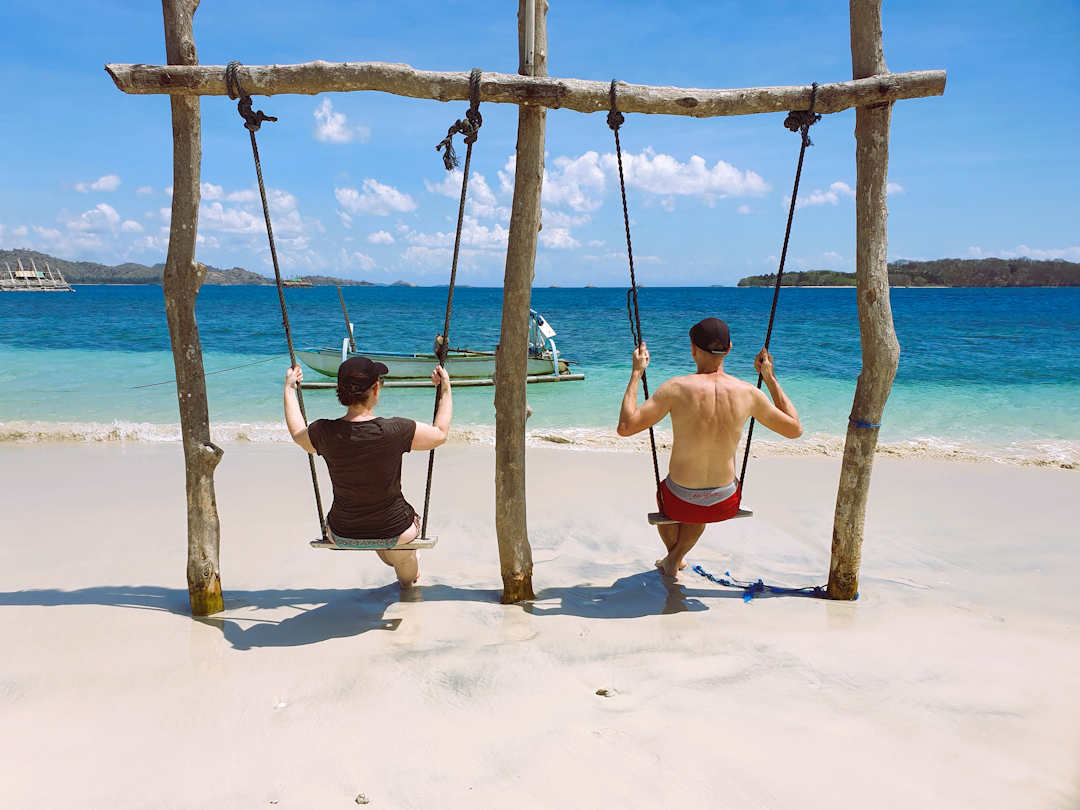
Our most expensive accommodation was 500 metres from the beach (and a boat ride away from this tranquil spot) in the south-west of Lombok
At just IDR169,894 per night, our most affordable accommodation was a stay at Mysha Guest House in Tetebatu, Lombok — a semi-detached bamboo bungalow without air conditioning (at 400 metres above sea level, a fan was more than sufficient), but including breakfast and a genuinely welcoming host family.
Here, things were a little different. Smaller, family-run places often preferred cash and occasionally offered better value when paying that way. It wasn’t always obvious upfront, but over time, these small differences added up across our stay
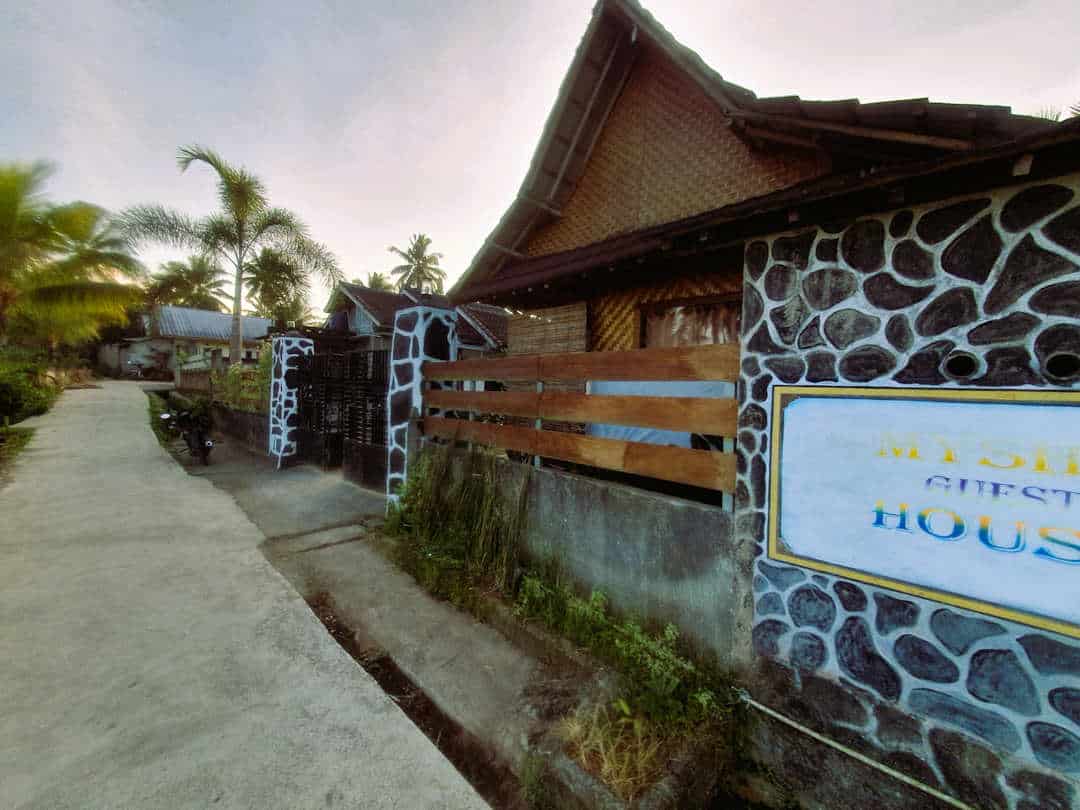
Our most affordable accommodation was a guesthouse on the southern slopes of Mt Rinjani, also in Lombok
Our accommodation cost bucket also includes the costs of utilities (including laundry, luggage storage and washroom use).
Laundry
Over the two months in Indonesia, we used laundromats/laundry services 9 times, at an average cost of IDR62,389 per use.
- At IDR160,000, our most expensive laundry service was MaeMae Laundry [Google Maps location] in Ubud, Bali, which we used when we needed an express turnaround in a very touristy area before leaving the country that same night.
- Our cheapest service was at M. Ricky Laundry [Google Maps location] in the non-touristy Kraton district of Yogyakarta, where we paid IDR19,000 (also for same-day service).
The difference wasn’t quality — it was location and urgency. Tourist areas and time pressure consistently pushed prices up, while local neighbourhoods offered far better value.
Luggage Storage and Washroom Use
Only once in Indonesia did we need to store our travel packs for any length of time (and pay for use of the washroom). Before boarding the Yogyakarta to Malang midnight train, we left our packs at Shower and Locker [Google Maps location] while we explored the city.
When we returned, we had a shower there as well. We paid:
- IDR90,000 for a locker large enough to fit both packs (up to 12 hours), and
- IDR80,000 for two clean bathrooms (up to 45 minutes), each with a shower cubicle, wash basin and toilet.
We paid for the lockers in cash and the showers by credit card — a small but typical example of how payment options varied depending on the service.
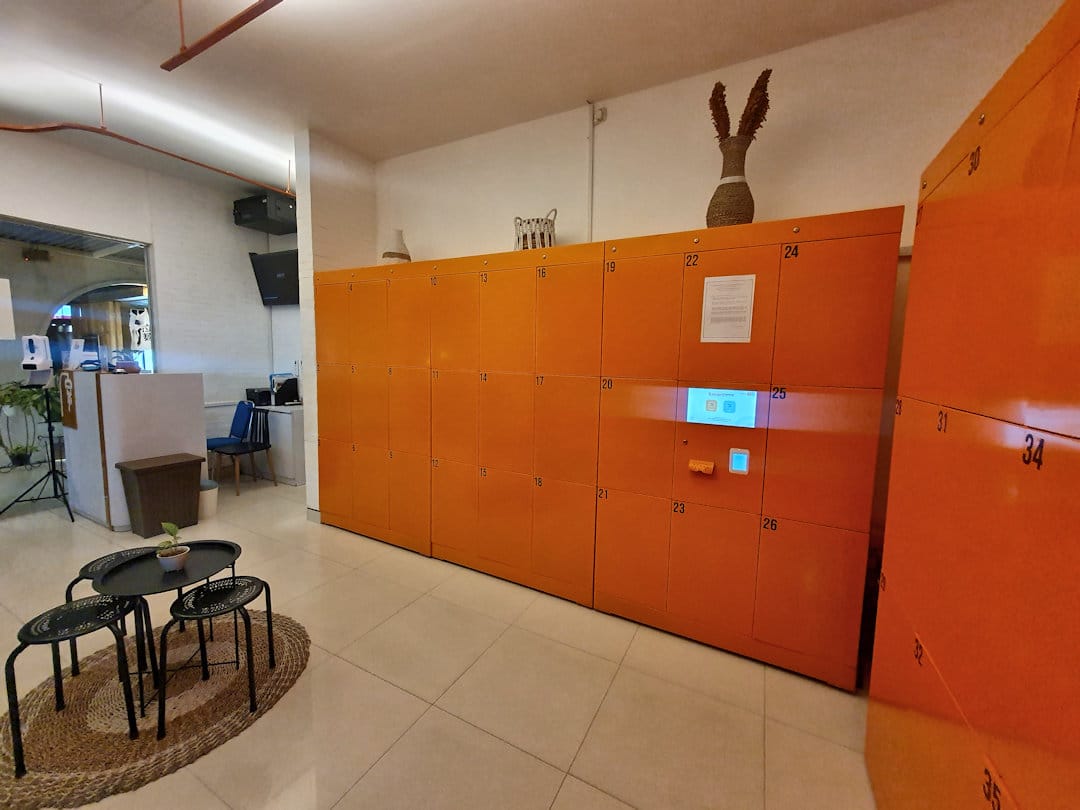
Shower & Locker offers the opportunity to explore Malioboro luggage-free and have a refreshing shower at the end of a hot and humid day
How much to budget for Dining and Groceries in Indonesia?
Unlike on our recent trip to Japan, almost none of the accommodations we stayed in had kitchen facilities to cook a meal or even prepare a basic breakfast. We therefore ate out a lot more than we normally would. Around 85% of our dining and groceries expenses went towards eating out or having food prepared for us at our accommodation.
Our daily costs for Dining and Groceries in Indonesia averaged IDR 144,337 per person. At the higher end, we spent IDR328,949 per person for a delicious dinner (and drinks) at The Blaze [Google Maps location] in Canggu, Bali — a more polished, tourist-oriented setting.
At the other end of the spectrum, our most affordable dining experience was a meal at a street food cart near the airport in Labuan Bajo, Flores, for IDR 7,500 per person.
As with many things in Indonesia, the biggest price differences came down to location and context. Tourist areas and sit-down restaurants were consistently more expensive and almost always accepted cards, while smaller local eateries and street food vendors were significantly cheaper but often cash-only.
Over time, we naturally adjusted — using cash for everyday local meals and reserving card payments for larger or more formal dining experiences.
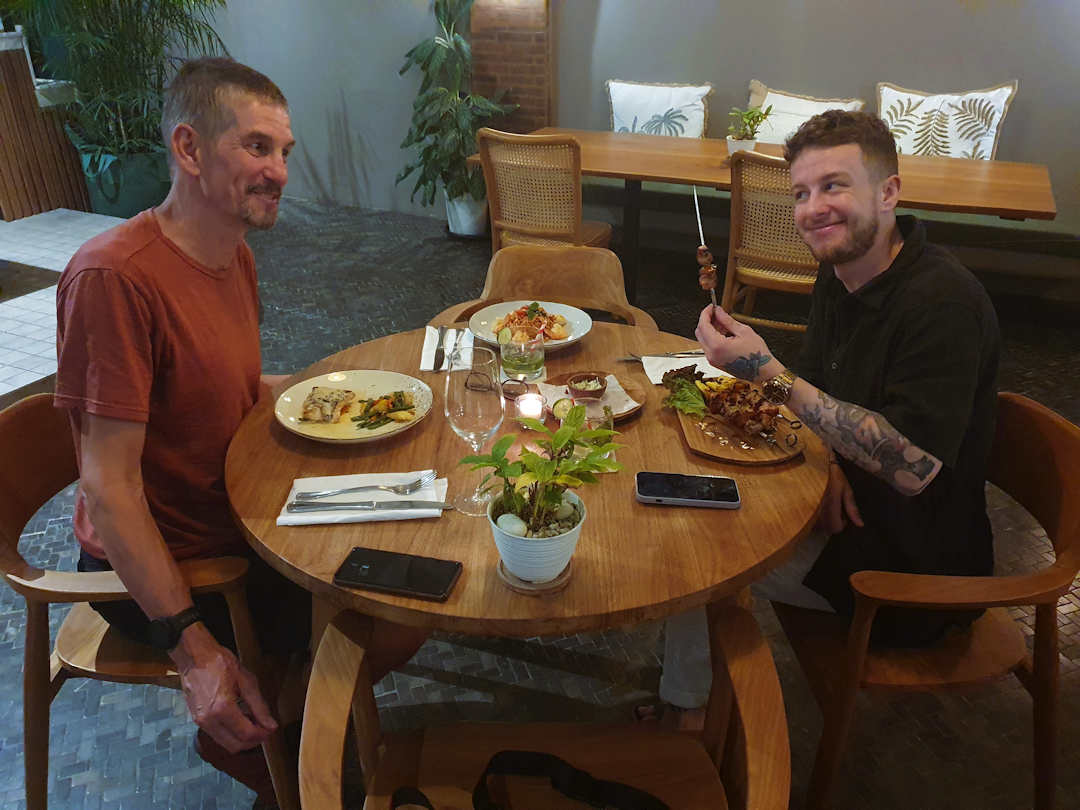
Our dining costs ranged from USD0.50 for street food on Flores to USD22 for a restaurant meal (and drinks) in touristy Canggu, Bali
Below is a list of standard grocery items (averaged across several islands and grocery shop sizes).
| Item | Size | IDR Price |
|---|---|---|
| UHT Milk | 1 litre | 23,229 |
| White Rice | 1 kilogram | 14,728 |
| Chicken Fillet | 1 kilogram | 50,000 |
| Bananas | 1 kilogram | 20,000 |
| Fresh White Bread | 125 grams | 4,412 |
| Eggs | 1 dozen | 25,052 |
| Cheese | 1 kilogram | 121,750 |
| Tomatoes | 1 kilogram | 12,000 |
| Plain Biscuits | 300 grams | 5,000 |
| Dry Macaroni | 340 grams | 5,000 |
| Olive Oil | 1 litre | 130,000 |
| Oatmeal | 1 kilogram | 38,800 |
| Muesli | 1 kilogram | 128,000 |
| Juice | 1 litre | 23,000 |
| Water | 1.5 litres | 5,000 |
How much to budget for Transportation in Indonesia?
Air Travel
While 66% of all air travellers enter Indonesia via Jakarta’s Soekarno-Hatta International Airport on the island of Java, New Zealand and Australian travellers tend to fly into I Gusti Ngurah Rai International Airport in Denpasar, Bali. The latter is serviced by a whopping 41 airlines — among them Garuda Indonesia, the national carrier (which ranked 30th in the World Airline Awards 2023 List) and its low-cost off-spring Citilink (in 94th position).
What We Did
Coming from Sydney, Australia, we flew into I Gusti Ngurah Rai International Airport (DPS) on Jetstar, with a flight time of 6 hours and 30 minutes. The price for the flight is not included in our Indonesia travel costs, as everyone travels from different places.
Given that Indonesia is an archipelago with some 18,000 islands spanning more than the full width of the United States or Australia, it’s hard to avoid flying domestically (particularly if you want to see more than Bali and/or Java and have limited time). We took five internal flights, all requiring us to check our (usual) carry-on travel packs due to 7kg weight limits for cabin baggage.
All flights were paid for by card, as expected. For larger purchases like flights, we prioritise using a low-fee card with competitive exchange rates, as even small percentage differences can add up quickly on higher-value transactions.
Before we book any flight (domestic or international), we also consider our carbon footprint and prefer lower-impact alternatives where feasible.
| From | To | Airline | IDR Cost Per Person | Class / Fare Basis |
|---|---|---|---|---|
| Denpasar, Bali | Yogyakarta, Java | Lion Air | 669,600 | Ticket Refund and Exchanges are permitted with payment of fee and fare difference (if any) and within a defined deadline / TOW |
| Surabaya, Java | Lombok | Lion Air | 632,580 | Ticket Refund and Exchanges are permitted with payment of fee and fare difference (if any) and within a defined deadline. / MOW |
| Denpasar, Bali | Labuan Bajo, Flores | Citilink | 669,600 | Ticket Refund and Exchanges are permitted with payment of fee and fare difference (if any) and within a defined deadline / TOW |
| Labuan Bajo, Flores | Ende, Flores | Lion Air | 1,119,000 | Y / YIWOW |
| Labuan Bajo, Flores | Denpasar, Bali | Batik Air | 1,043,900 | SIDOW |
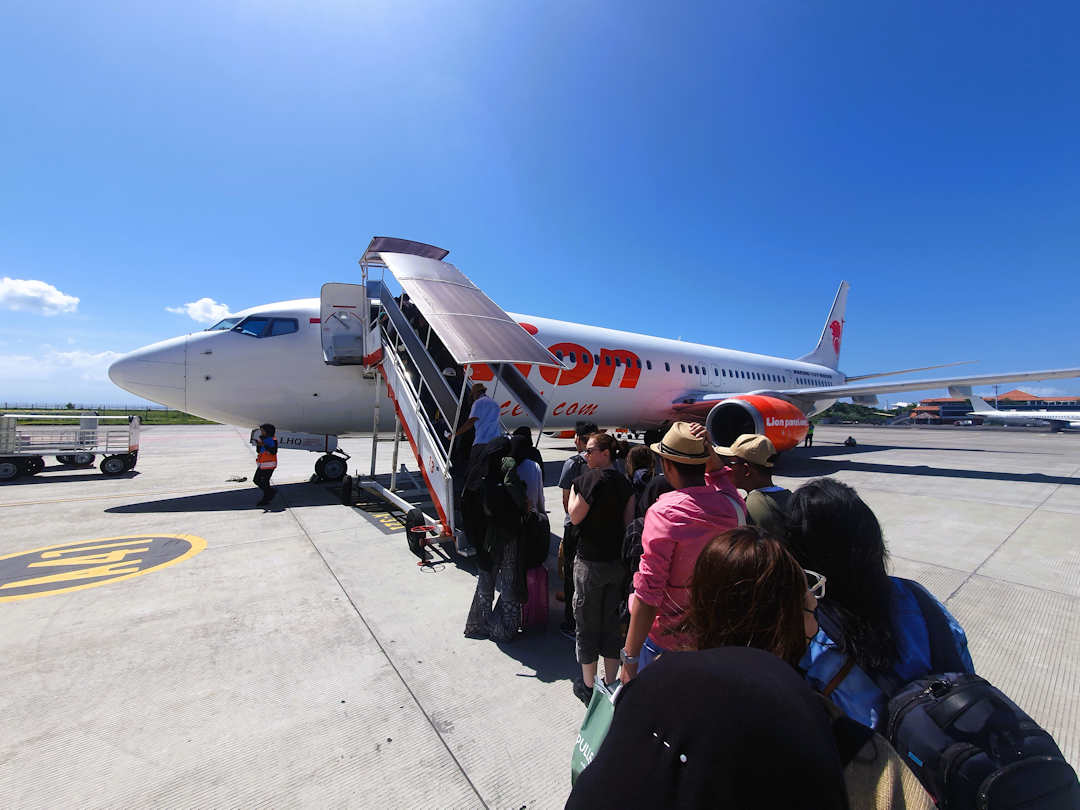
Domestic flights and boats/ferries are your main transport options to travel between the many islands of Indonesia
Train Travel
When we started researching Indonesia, we quickly realised that trains would be one of the most practical ways to move around parts of the country, especially across Java. The rail network links many of the island’s major cities, including Jakarta, Bandung, Yogyakarta, Semarang, Solo, Malang, and Surabaya, making it a useful option for longer overland journeys.
The official operator is Kereta Api Indonesia, but as foreign travellers, we found booking less straightforward than expected. In our case, buying online through the official channels was not always simple, so we either purchased tickets in person at the station or used other online booking options instead.
One thing we quickly learned is that Indonesian train capacity is limited by the number of seats. The cheapest fares tend to go first, and leaving it too late can mean paying more or missing out altogether. So if you already know your route, it is worth checking availability and booking as early as you can. Use the button below to compare train options and secure your tickets before the best fares disappear.
What We Did
We travelled with KAI twice:
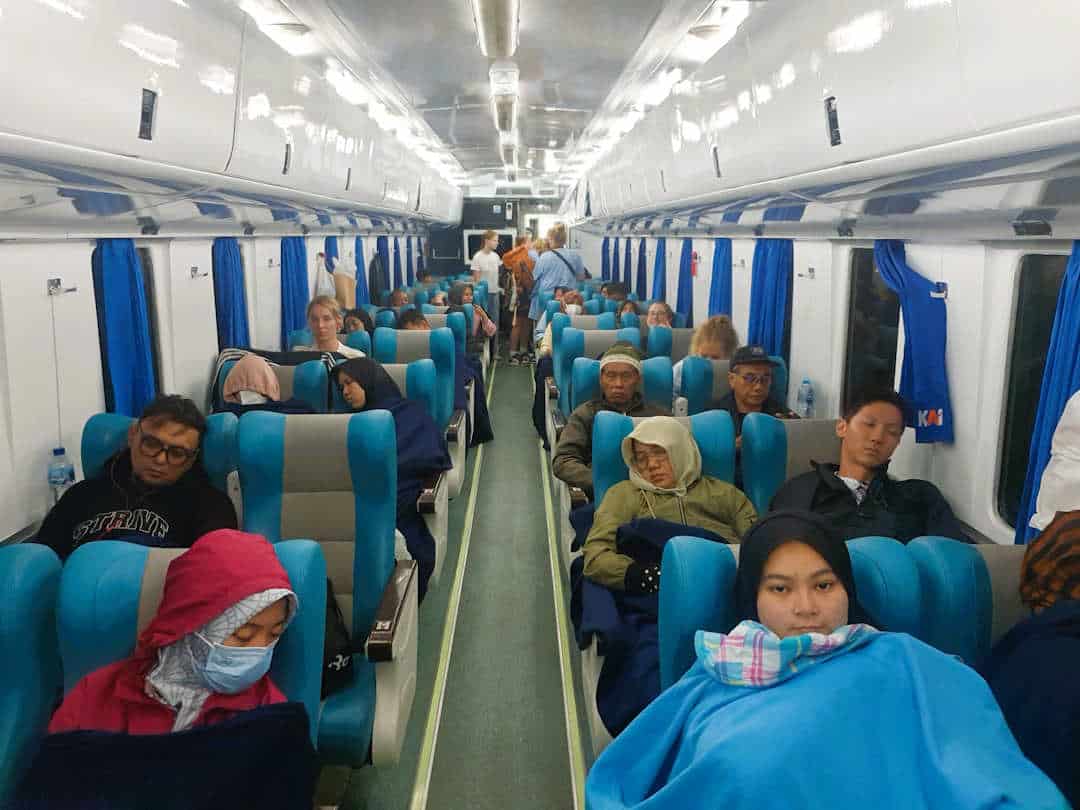
- First, we took the Malabar overnight train from Yogyakarta to Malang. We booked our tickets 23 days before departure via the 12Go for IDR 406,000 per person (including the booking fee).
- A few days later, we took the early morning Tumapel train from Malang to Waru (Surabaya) for IDR2,000 per person (purchased in person at Malang Station the day before), and then the DAMRI bus from Terminal Bungurasih (a 10-minute walk from Waru Station) to Juanda International Airport, Surabaya (SUB).
Bus Travel
Buses were an important part of our Indonesia trip, especially for airport transfers and routes where the train did not make sense. One of the main operators we used was DAMRI, a state-owned bus company offering basic but straightforward services. The bigger challenge was often not the ride itself, but working out how to view schedules and book tickets as a foreign visitor.
We found 12Go to be more visitor-friendly to access DAMRI bus tickets and check availability before you travel. If you already know your route, use it to compare options and book ahead rather than relying on space being available when you arrive at the terminal.
What We Did
We used DAMRI a total of six times (on Java and Lombok):
- Yogyakarta International Airport (YIA) to the city centre – at a cost of IDR80,000 per person,
- Yogyakarta city centre to Borobudur (and back) – at IDR20,000 per person per trip (now operated by Sinar Jaya KSPN),
- Wonokitri to Malang – at IDR35,000 per person,
- Terminal Bungurasih to Juanda International Airport, Surabaya (SUB) at a cost of IDR35,000 per person, and
- Lombok International Airport (LOP) to Mataram: IDR35,000 per person.
Most of the time, we just showed up at the bus stop and bought our tickets on the spot. However, in one instance (from Malang to Wonokitri), the minibus was booked out (and the next one was not scheduled for another 12 hours). Thus, to not miss out again on our return journey, we asked our host in Wonokitri to book the tickets for us via the DAMRI app (which we couldn’t access via our non-Indonesian phones).
Apart from DAMRI, we also used local buses in Yogyakarta at a cost of IDR3,600 per person per trip.
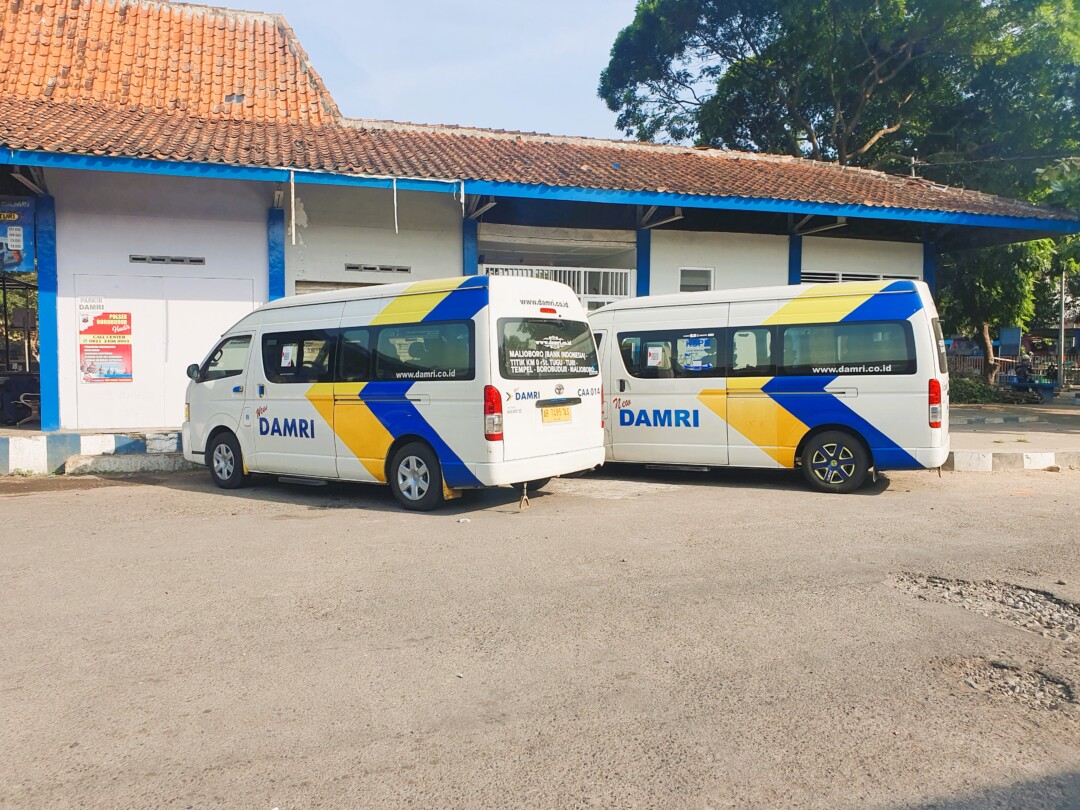
DAMRI was our prefered bus operator in Indonesia with super-affordable fares, clean vehicles and friendly drivers
Boat Travel
Being an archipelago, Indonesia often means travelling by bat some point. But not every crossing works the same way. Some routes are served by large public ferries, others by fast boats or private transfers, and not all of the routes we personally took are covered by the search tool below.
This widget is most useful for the more common island-hopping crossings from Bali to Nusa Penida, Nusa Lembongan, and the Gili Islands, as well as some onward connections between those islands. Direct Ferries lists routes such as Sanur to Nusa Penida, Padang Bai to Bangsal, Nusa Penida to Gili Air, and Gili Trawangan to Nusa Penida, making it a helpful place to compare many of the most common ferry options in Bali. Use the search tool below to check current routes, fares, and availability for your travel date.
What We Did
We took a boat a total of six times – twice on day excursions (on Lombok and Flores) and four times to cross from island to island:
- Private water taxi from Tembowong Harbour to Gili Gede Ferry Terminal – at IDR200,000 for both of us, including luggage
- Speed boat from Gili Gede to Buyuk Harbour, Nusa Penida with Gili Getaway – at IDR900,000 per person
- Public ferry from Toya Pakeh Harbour, Nusa Penida to Nusa Lembongan – at IDR50,000 per person
- Speed boat from Mushroom Bay, Nusa Lembongan to Sanur, Bali with Dream Beach Express – at IDR160,000 per person.
Island crossings, especially between Lombok, the Nusa Tenggara, and Bali, and between Flores and the islands of the Komodo National Park, are surprisingly bumpy (even on a calm day). So, if you get seasick easily, take tablets to make the ride more comfortable.
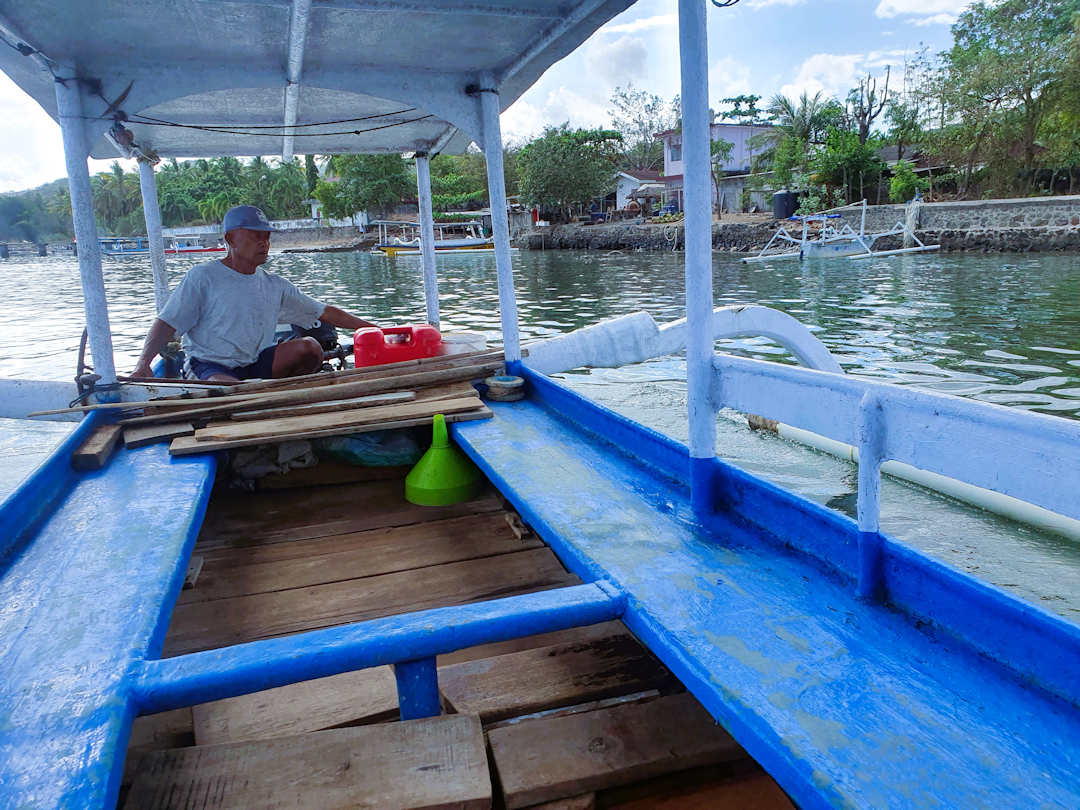
Being a country made up of islands, you are bound to use a boat at some point when travelling around Indonesia
Rideshares
Gojek and Grab are the Indonesian equivalents of Uber. Both rideshare apps are also among the few apps that work with a non-Indonesian mobile device. You can download the Grab app (available for Apple and Android phones), add your credit card details (don’t worry, we found it to be secure and easier than trying to pay in cash) and then proceed to book your ride (you can even order a take-out meal delivered to your doorsteps). Gojek works the same way, but we didn’t end up using them.
What We Did
We usually walk or use public transport. As you can see from the table below though, we used rideshares a few times in Indonesia:
| Service Name | From | To | Distance travelled | IDR Cost per ride | IDR Price per kilometre |
|---|---|---|---|---|---|
| Grab Transport | Prambanan Accommodation | Prambanan Open Air Theatre | 3.5km | 50,000 (see below) | 14,286 |
| Grab Transport | Prambanan Open Air Theatre | Prambanan Accommodation | 2.5km | 24,000 | 9,600 |
| Grab Transport | Prambanan Accommodation | Prambanan Bus Stop | 2km | 20,000 | 10,000 |
| Malang Taxi | Malang Train Station | Delvia Bromo | 69km | 550,000 (shared with three other travellers) | 7,971 |
| Grab Transport | DAMRI Bus Terminal Mataram | Dewi Sri Guesthouse | 5.5km | 38,500 | 7,000 |
| Blue Bird Taxi | Mysha Guest house | Kristal Garden Guesthouse | 83km | 466,775 | 5,624 |
| Private Car | Kristal Garden Guesthouse | Tembowong Harbour | 10.5km | 60,000 | 5,714 |
| Grab Transport | Sanur | I Gusti Ngurah Rai International Airport, Denpasar | 16.5km | 136,000 | 8,242 |
| Private Transfer | H. Hasan Aroeboesman Airport, Ende | Ragos Homestay | 52km | 450,000 | 8,654 |
| Private Car share | Ragos Homestay | Dagalos Homestay | 176km | 400,000 | 2,273 |
| Grab Transport | I Gusti Ngurah Rai International Airport, Denpasar | Nyoman Guest House Tibubeneng | 18km | 134,000 | 7,444 |
| Grab Transport | Nyoman Guest House Tibubeneng | I Gusti Ngurah Rai International Airport, Denpasar | 17km | 127,000 | 7,471 |
Our most expensive ride on a per kilometre basis was the 3.5km ride from our Prambanan accommodation to the Ramayana Ballet Prambanan. However, that was our fault: We hadn’t set up our credit card in the Grab app before we jumped in the car (and couldn’t add it during the ride when we realised we only had a 50,000 Rupiah note). Of course, the driver didn’t have change (one of the frequent scams in Indonesia and worldwide).
Our cheapest ride (on a per kilometre basis) was sharing a car with two locals on the island of Flores (more on that below).
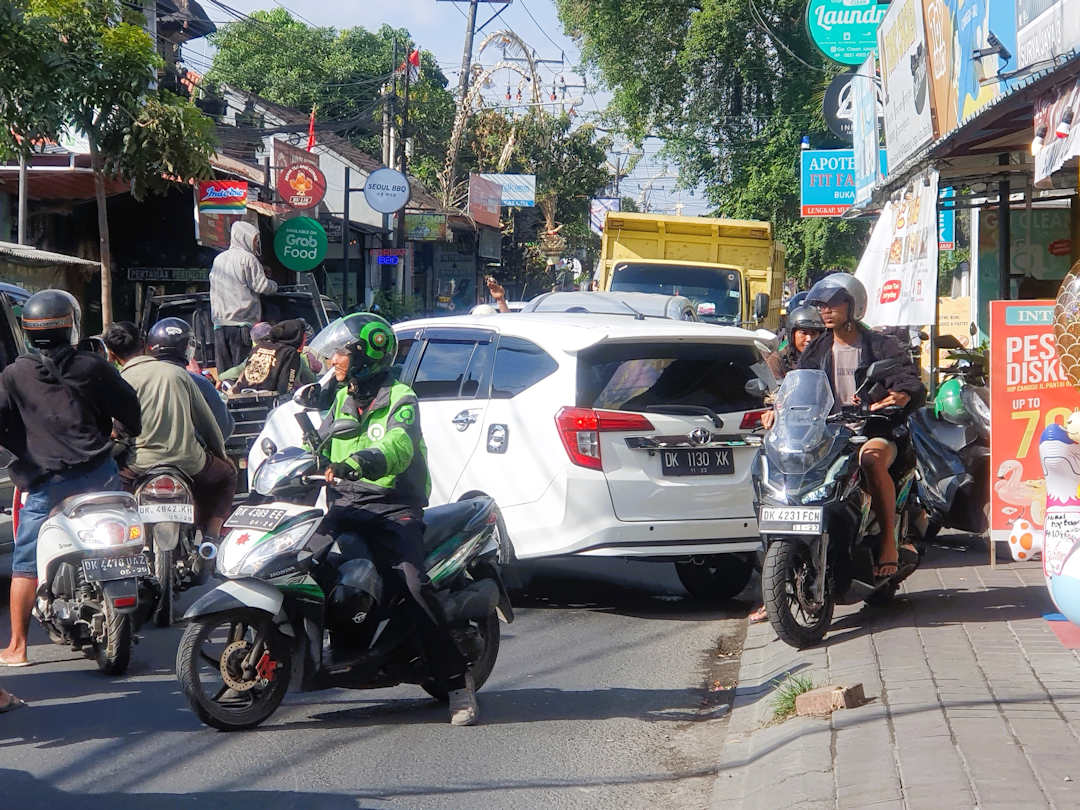
Gojek and Grab are the most common rideshare options in Indonesia - you can even order food to be delivered to your doorsteps
Car Rental
Of course, you can also hire cars and scooters in Indonesia. To be able to do so, you are (officially) required to provide both your country’s driver’s licence AND an International Driving Permit (IDP). While many rental shops may not ask for your licence, it will become an issue if you are pulled over by the police or involved in a vehicle accident and need to make a claim under your travel insurance policy.
And speaking of insurance: Rental vehicles in Indonesia don’t usually have insurance, thus if you are involved in an accident, repair/replacement costs are all on you/your travel insurance.
Given the volume of traffic in the major cities and how Indonesians drive, hiring a car (without a driver) is not advisable unless you are an experienced driver (in predominantly Asian countries). Likewise, if you plan to rent a scooter, you should be very confident in your abilities – tourists who don’t ride confidently are a risk to themselves and other road users.
What We Did
We rented a scooter five times, with Paul as the driver and Sandra as the passenger, at an average daily cost of IDR102,222.
| Company | Location | Number of Days | IDR Daily Rate |
|---|---|---|---|
| Kristal Gardens Guest House | Sekotong, Lombok | 3 | 25,000 |
| Nozy Penida | Ped, Nusa Penida | 4 | 60,000 |
| Ragos Homestay | Moni, Flores | 2 | 100,000 |
| Kopi Mane | Ruteng, Flores | 2 | 50,000 |
| Puru Bali Bike Rental | Canggu, Bali | 7 | 175,000 |
| Average Daily Rate | IDR102,222 | ||
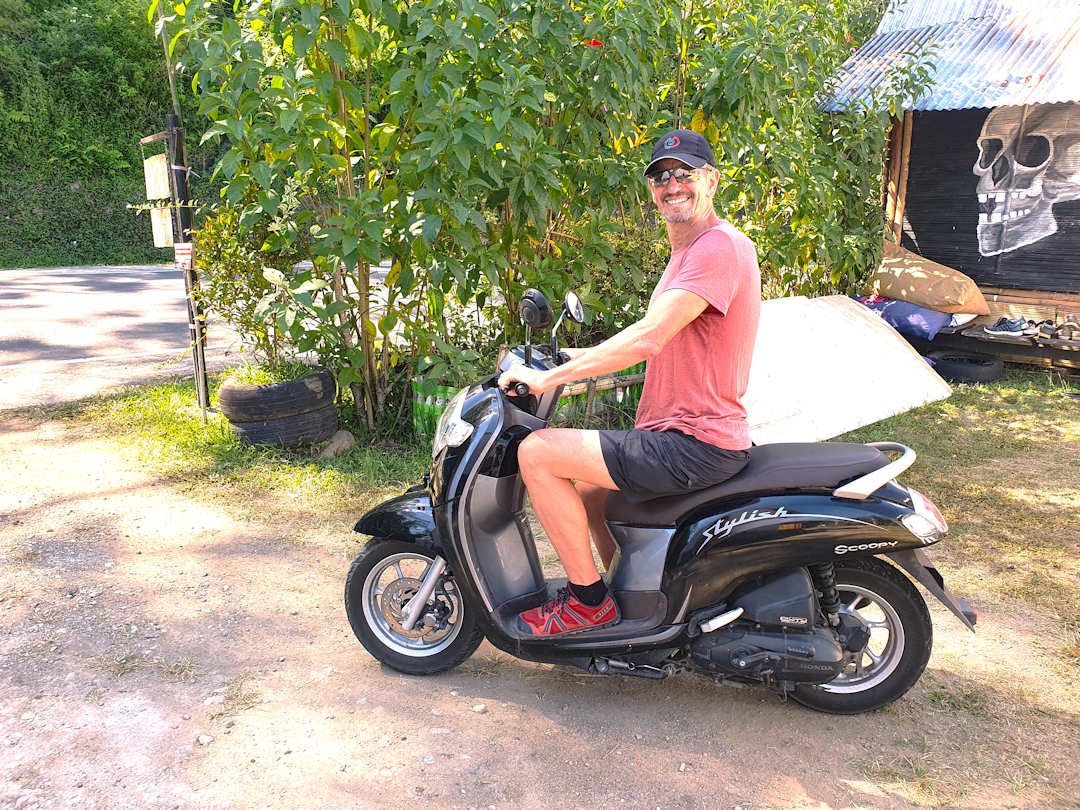
Hire a scooter only if you are a confident rider (especially on busier islands like Bali or Java)
The scooters rarely came with much petrol in the tank, and you are generally not required to return them with much. In total, we paid IDR 228,000 for petrol. Depending on whether we were in a bigger city/town or a small village, the price fluctuated – for reference: on Bali, we paid IDR11,234 per litre (IDR42,523 per US Gallon).
There were times when we needed to park our scooter and walk to where we needed to go. Parking at scooter parks with attendants present averaged IDR4,857 per visit.
Twice we rented bicycles:
- Our accommodation at Griyo Jagalan in Borobudur, Java, rented their bicycles for IDR25,000 per day, and
- Sandra hired a bike for IDR 60,000 per day from Nusa Lembongan Cycle Hire.
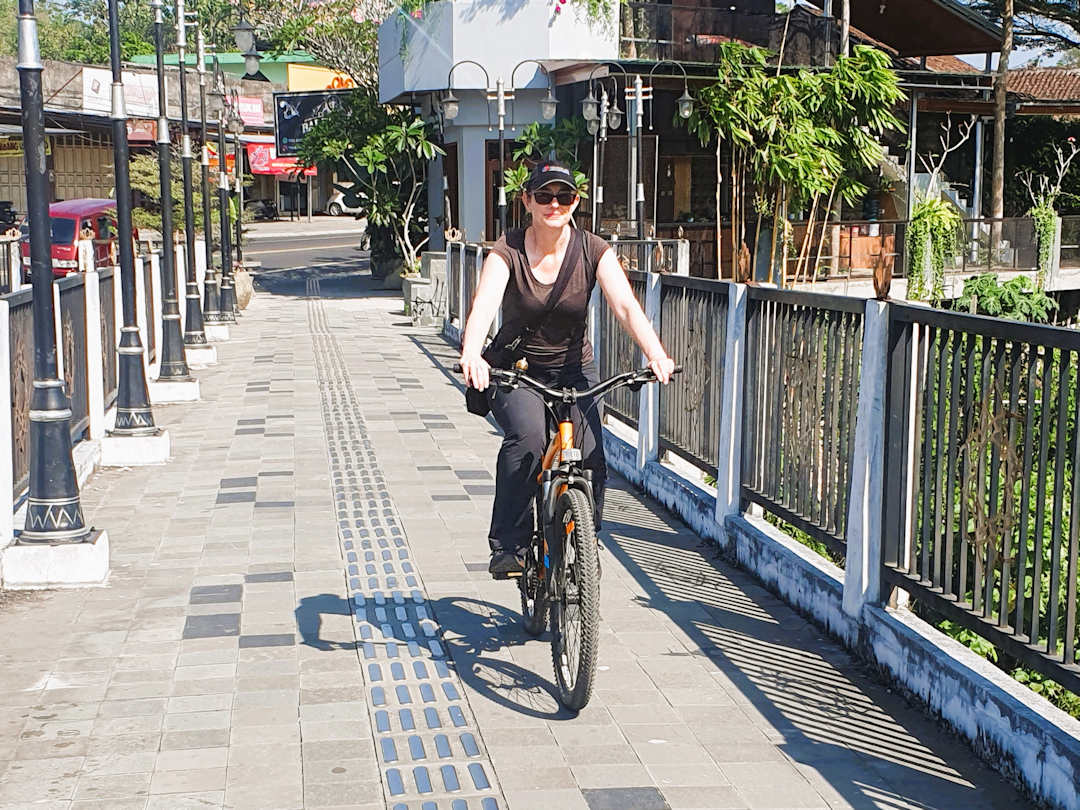
If you're not a confident scooter rider, hiring a bicycle might be an alternative where public transport options are limited
How much to budget for Experiences in Indonesia?
While many overseas tourists never see beyond the tourist hotspots in Bali, each Indonesian island is unique and worth visiting. From hiking/trekking and diving/snorkelling to a plethora of cultural and culinary experiences, there is a ton to do in Indonesia (for all budgets).
Many tourist attractions in Indonesia cost more for foreigners than for the country’s citizens (sometimes a lot more), and very few experiences accept credit cards.
What We Did
All our experiences added up to IDR21,569,216 for the two of us – on average, IDR250,805 per person per experience or IDR185,942 per person per day.
With so many experiences on offer, we only list those below that we would do again and/or are happy to recommend.
| Experience | Location | Type | Purpose | IDR Price per adult |
|---|---|---|---|---|
| Sonobudoyo Museum | Yogyakarta, Java | Museum | Entry Fee | 10,000 |
| Yogyakarta Royal Palace | Yogyakarta, Java | Historical Landmark | Entry Fee | 12,500 |
| Sunrise experience with Griyo Jagalan | Borobudur, Java | Sightseeing | Guide/Transport Fee | 25,000 |
| Borobudur Temple | Borobudur, Java | Historical Landmark | Entry Fee (included guided tour) | 455,000 |
| Ramayana Open Air Theatre | Prambanan, Java | Cultural Performance | Class 1 Tickets | 201,800 |
| Prambanan Temple Complex | Prambanan, Java | Historical Landmark | Entry Fee | 375,000 |
| Blue and Rainbow Villages | Malang, Java | Sightseeing | Entry Fee (only charged by Kampung Warna Warni) | 5,000 |
| Anggrek Putih Cooking Class | Mataram, Lombok | Cooking Class | Including transfer, garden tour, staff wages, instructions, ingredients, beverages | 412,000 |
| Sendang Gile Waterfalls and Tiu Kelep Waterfalls | Senaru, Lombok | Sightseeing | Entry Fee (included guided tour) | 10,000 |
| 3D/2N Private Trek with Green Rinjani | Mt Rinjani, Lombok | Hiking/ Trekking | Multi-day trek including accommodation, one guide, three porters, tips for guide/porters, food/beverages and National Park entry fees | 5,041,500 |
| Golden Valley Waterfalls, Red Coral Munduk Waterfall and Labuhan Kebo Waterfalls | Kelimutu, Flores | Sightseeing | National Park entry fee | 152,500 |
| Wologai Adat Traditional Village | Wologai, Flores | Sightseeing | Entry Fee (included guided tour) | 35,000 |
| Day Tour with Ryan Soi Radjo | Bajawa, Flores | Sightseeing | Day tour including two scooters, guide fees, donations (and lunch) at traditional villages, hot spring and look-out point entry fees | 475,000 |
| Day Tour of Komodo National Park with Red Whale Dive Centre | Labuan Bajo, Flores | Sightseeing | Day tour including speed boat, snorkelling equipment, guide fees, lunch/snacks, National Park entry fees and GoPro hire | 1,986,250 |
| Golden Valley Waterfalls, Red Coral Munduk Waterfall and Labuhan Kebo Waterfalls | Munduk/ Gobleg, Bali | Sightseeing | Entry Fee | 40,000 |
| Setia Darma House of Mask and Puppets | Ubud, Bali | Museum | Entry Fee | 50,000 |
| Goa Gajah | Ubud, Bali | Historical Landmark | Entry Fee | 50,000 |
| Samsara Living Museum | Bebandem, Bali | Museum | Entry Fee (included guided tour) | 100,000 |
Mt Rinjani Trek
As expected, our most expensive experience (by far) was our private, multi-day Mt Rinjani Trek – at IDR5,041,500 per person. But boy, was it worth it. The memory will stay with us for the rest of our lives.
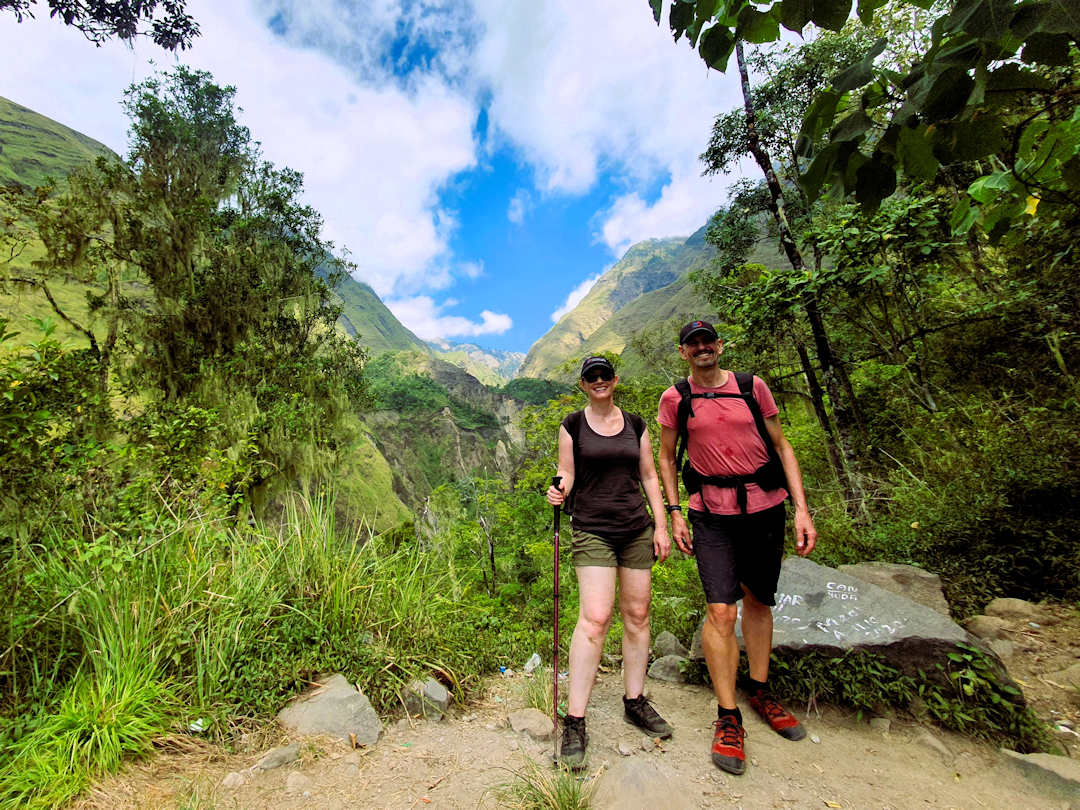
Hiking Mt Rinjani over 3 days/2 nights was our most expensive but also one of our favourite experiences in Indonesia
Komodo Island One-Day Tour
While we booked our Mt Rinjani Trek months in advance, we arrived in Labuan Bajo – the entry point to the Komodo Island National Park [Google Maps location] – without booking an excursion to the famous park. We wanted to speak with tour operators on the ground and understand how sustainable their tours were before making a booking. Like most visitors to Labuan Bajo, we wanted to observe the amazing creatures of the park (from Komodo Dragons to turtles and manta rays) in their natural habitat, but we also wanted to do it with an operator whose values were aligned with ours.
After speaking to a few, we chose Red Whale Dive Centre [Official website, Google Maps location] and opted for a one-day tour rather than staying on a boat for multiple days to experience the same destinations at a slower pace. The one-day tour cost us IDR1,486,250 per person (plus National Park entry fees of IDR300,000 each). We also paid IDR400,000 to hire a GoPro for the day (which we wouldn’t do again).
You can read more about our Komodo Island experience with Red Whale Dive Centre in our in-depth review.
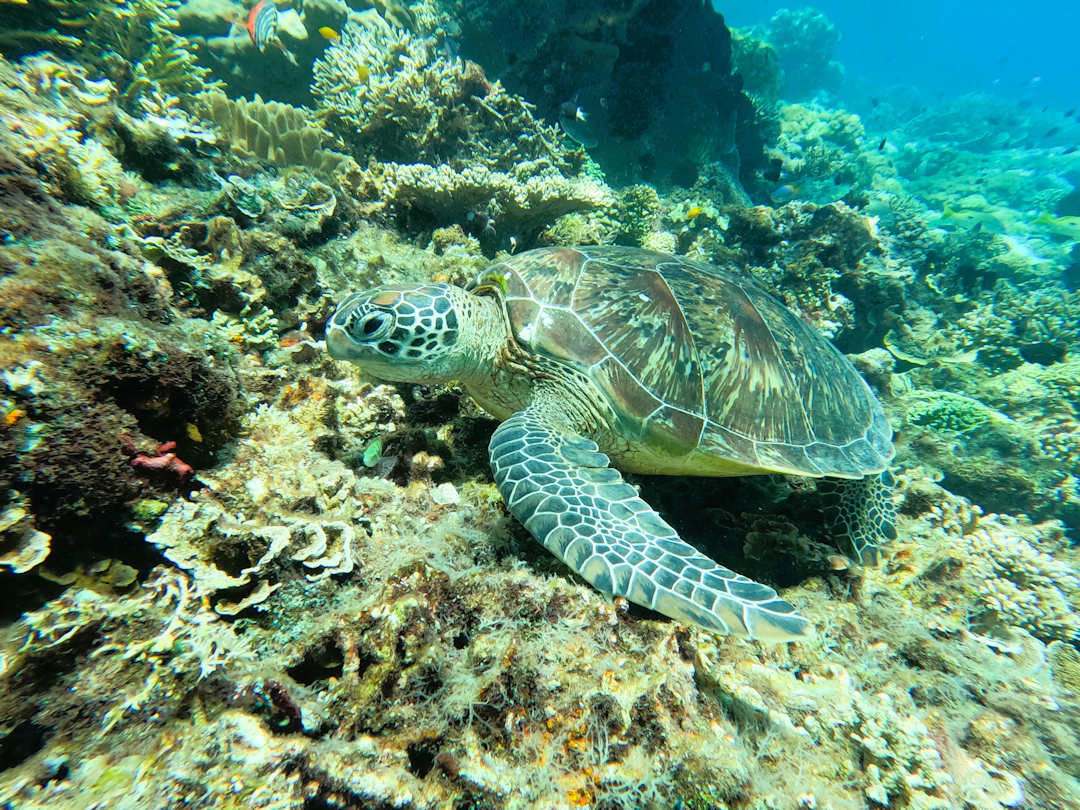
Komodo National Park is not only worthwhile visiting for the famous Dragons - it's also home to turtles, manta rays and other sea creatures
Private Day Tour in Flores
Another very worthwhile experience was enlisting a private guide for a day on the island of Flores.
We met local guide and musician Ryan Soi Radjo by chance (when looking for a ride to Bajawa in a bar in Moni). While his stories made our long, windy trip much more interesting, his music provided a beautiful soundtrack to our journey. So, enlisting Ryan for a full-day tour the next morning was a no-brainer.
Turning up as promised with two scooters (and a fellow guide friend on his day off), the four of us visited the traditional villages of Tololela [Google Maps location] and Bela [Google Maps location] (home to the Ngada people, including Ryan’s family), swam in the Malanage Hot Spring [Google Maps location] and watched the sunset in the presence of majestic Mt Inerie from the Wolobobo viewpoint [Google Maps location].
The full-day tour cost us IDR475,000 per person. Would we recommend it? Absolutely – another experience that will stay with us forever. We also knew the money we spent on guide fees, tips and food during the day would help support the local community.
If you want to hire Ryan for a private tour, contact him on WhatsApp.
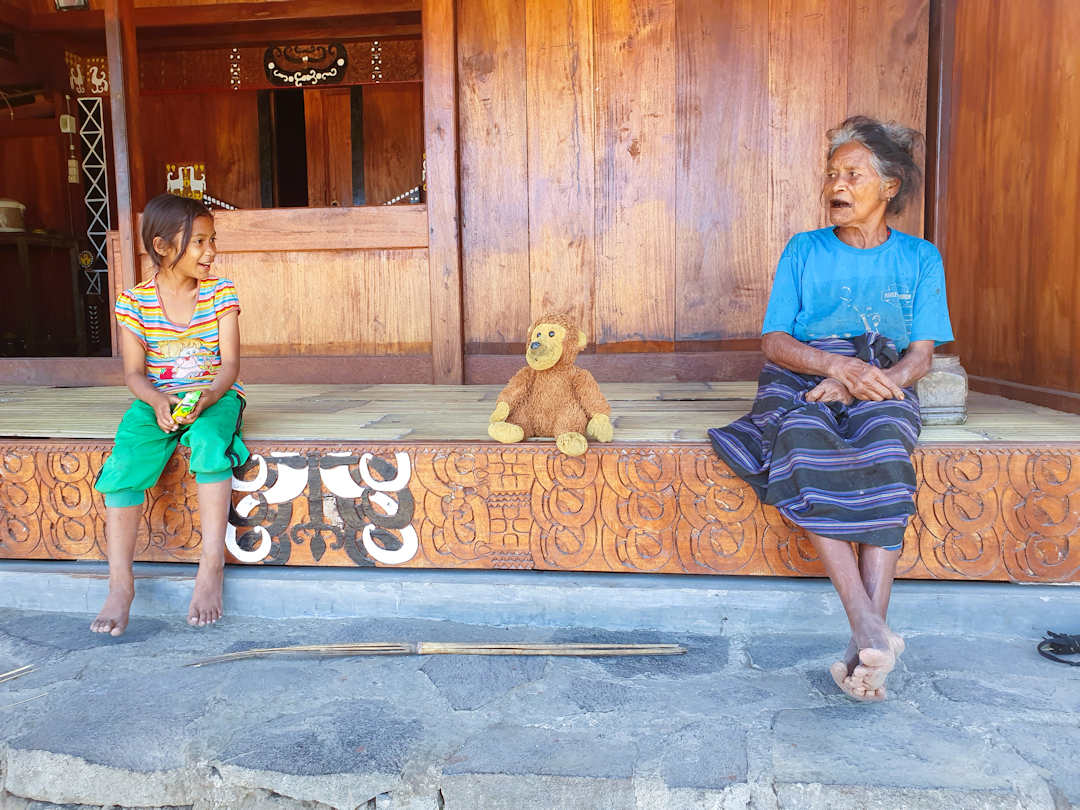
Visiting traditional villages and learning more about the Ngada people from a local guide was one of many memorable experiences on the island of Flores
What other costs should you budget for when planning a trip to Indonesia?
Tourist Visa
We travelled to Indonesia on our New Zealand (Paul) and Australian passports (Sandra) and booked our 30-day electronic Visa on Arrival (eVOA) online via the official visa website. This also allowed us to process the 30-day extension online (saving us a trip and lengthy wait at a physical Immigration Office). The 30-day eVOA cost us IDR 519,500 per person (and the same for the extension).
Tourist Taxes and Levies
Since July 2019, tourists pay an Entrance Fee when visiting Nusa Penida – in our case, that was IDR25,000 per person. The entrance fee is charged whether you’re a day visitor or stay on the island for a few days, and is collected in cash upon arrival on the island as you get off the boat. Since July 2023, it is also mandatory to pay an additional Retribution Tax if you dive, snorkel or swim in the Nusa Penida Marine Protection Area.
In February 2024, Bali also introduced an International Tourist Levy, requiring foreign visitors to pay IDR 150,000 per person per visit. We recommend you pay the Bali Tourist Levy via the official Bali Government website before arrival.
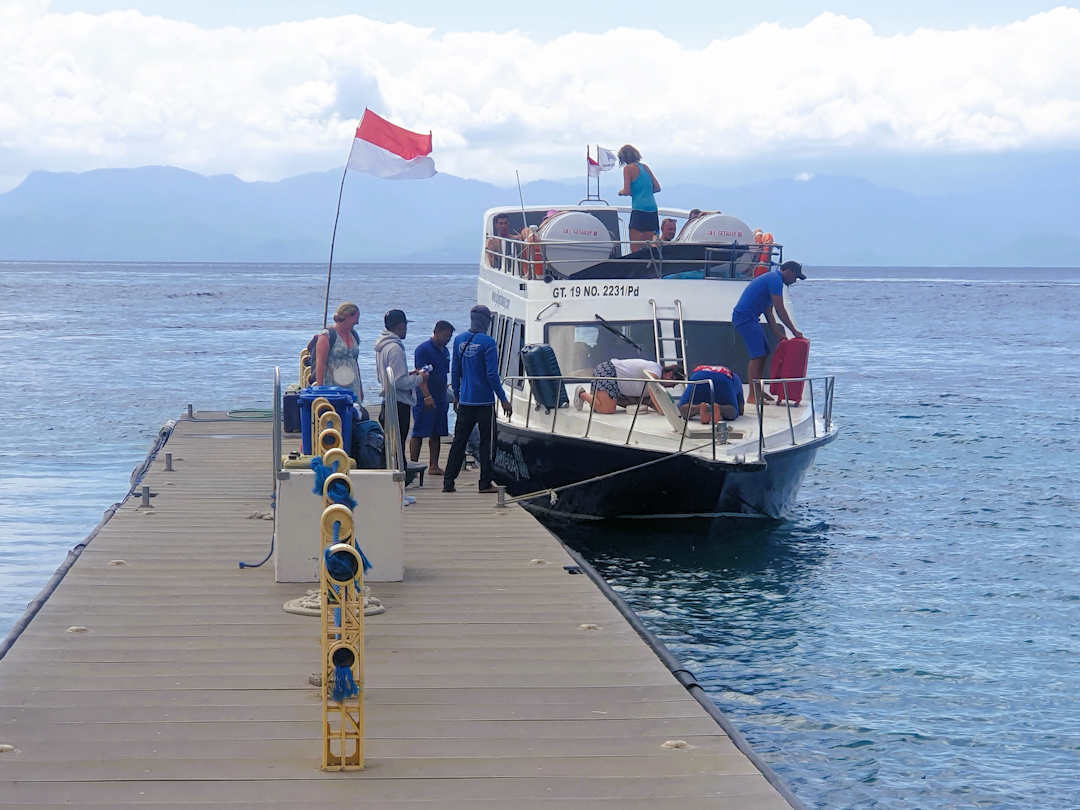
Tourists visiting Nusa Penida are charged an entrance fee (and a retribution fee if they swim, snorkel or dive in the Marine Protection Area)
Communication
As usual, Paul did the research on data SIM cards before we arrived. At Denpasar Airport, there were plenty of options, and we chose a local Telkomsel SIM card, paying IDR450,000 each for 51GB of data valid for 30 days.
After installing the Telkomsel app, we could top up easily. We added IDR100,000 at a time and ended up purchasing additional data three times during our stay. n total, our mobile data costs averaged IDR 10,345 per person per day over 60 days in Indonesia.
At the time, buying a local SIM card was the most practical option. However, for shorter trips, we now take a different approach. Instead of finding a SIM card at the airport, we install an eSIM before we travel so we have mobile data as soon as we land. This removes the need to queue, share passport details at a kiosk, or troubleshoot setup after a long flight. For Indonesia, you can check current pricing and coverage here: Airalo Indonesia eSIM.
If you still prefer a local SIM, you’ll need your passport, and a copy may be taken at the point of sale.
Stay connected the moment you land
We use Airalo eSIMs on (almost) every trip to avoid roaming charges and the hassle of buying a local SIM. You can install your eSIM before you travel and get online as soon as you arrive. Airalo works in 200+ countries (we've used it across the Americas, Europe and Asia), but not everywhere - so check coverage before you buy.
New to Airalo? Use code NEWTOAIRALO15 for 15% off
Already a customer? Use AIRALOESIM10 for 10% off
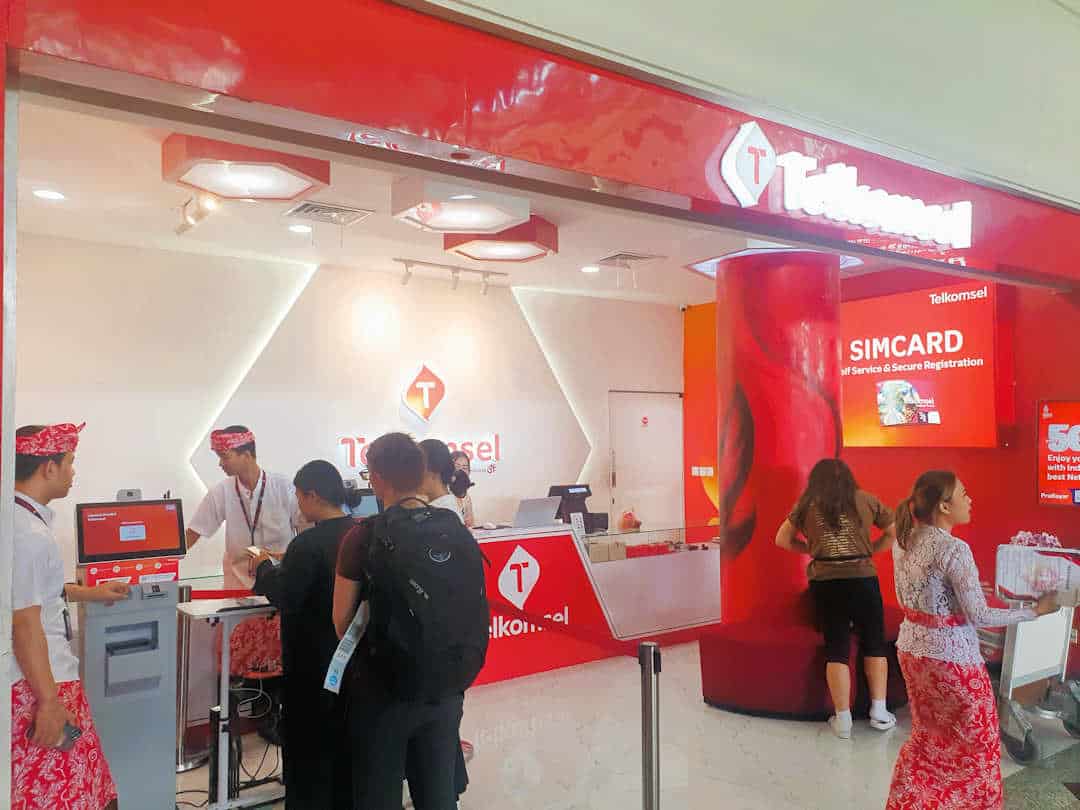
If you require mobile data in Indonesia, you can purchase a physical SIM card upon arrival at Denpasar Airport (as you walk out after collecting your luggage)
Travel Insurance
For this trip, we went with a Cover-More Travel Insurance Single Trip Policy, covering two people for 60 days in Indonesia and costing us AUD1,683 – equating to IDR146,504 per person per day.
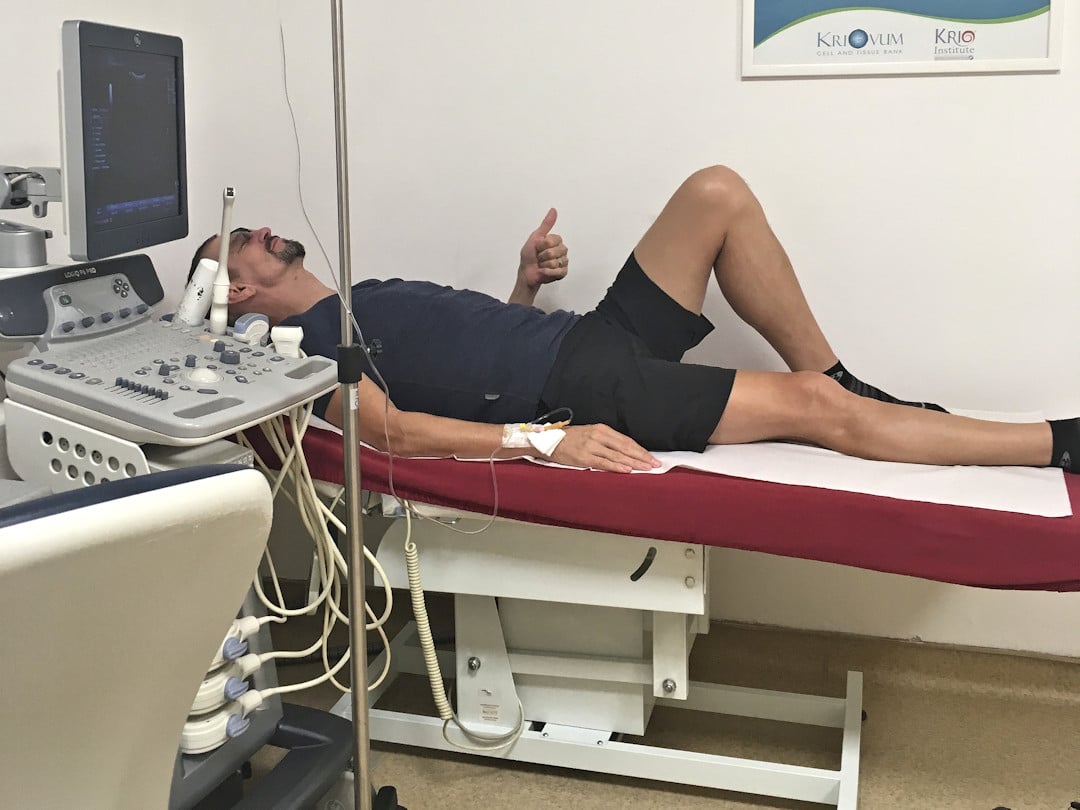
We never travel overseas without travel insurance - you just never know, and the cost of getting sick can add up quickly
What else is worth knowing?
Should I tip in Indonesia?
I am from New Zealand, and the custom of tipping for services is foreign to me. The service would have to be outstanding for me to tip. That said, I feel a stronger desire to tip in developing countries.
Tipping is not a MUST in Indonesia, but is appreciated where staff may not be well rewarded, such as in restaurants, bars, cafes, hotels and serviced apartments, spas and massage salons. We would also add a small tip to the Grab ride fee when we felt that the driver did a good job.
Restaurants/bars in touristy areas may automatically add a tip/service charge to your bill. So, always check the menu before you enter (or at least check your bill/invoice before you pay).
How much cash do you need in Indonesia?
In short: A lot. Almost 80% of all our transactions were cash (only 20% of the businesses we frequented accepted credit cards). We prefer to use our credit cards when paying for transactions, so it meant we had to withdraw money more often or take the risk of having greater amounts of cash on us when travelling.
And speaking of ATM withdrawals: ATMs in Indonesia dispense IDR50,000 or IDR100,000 notes (sometimes a sticker on the machine indicates the denomination). Most ATMs allow a maximum withdrawal per transaction of IDR1,250,000 (IDR50,000-note machines) or IDR3,000,000 (IDR100,000-note machines), with a total maximum per day of IDR6,000,000. In Indonesia, we used Maybank, Bank Mandiri and CIMB ATMs – none of which charged ATM withdrawal fees using our Australian Bankwest debit card or Wise card.
Have you explored Indonesia recently?
Before you go, if you liked our article and found it helpful, we would appreciate it if you could share it with your friends and family via the Share buttons below. Even better: Leave a short review on Trustpilot or Google, which would help us further build our online reputation as a (trustworthy and helpful) travel and lifestyle blog.