

This article may contain links to products and services we use and recommend. We may receive compensation when you click on links to those products. For more information, see our Disclosure Policy.

2026 Nagano Marathon Results
The race has been run. Check the official Nagano Marathon results here.
Would you like to run a marathon in Japan but don’t qualify for Tokyo and aren’t keen on joining the crowds in Osaka? Well, come to Nagano. Framed by the snow-capped Japanese Alps and with on-course entertainment that puts many majors to shame, the Nagano Marathon makes for a unique race experience. Sounds great? Lace up your running shoes, and let’s get you on your way.
Are you planning the logistics for your Nagano Marathon trip?
Book your transportation to/from and around Nagano, keeping your carbon footprint in mind:
Find your perfect accommodation in Nagano with Agoda and Booking.com. I recommend these centrally located options near public transport:
You may also want to check out the accommodation bookable through Nagano Marathon partner JTB.
When managing money across countries, we keep fees low and decisions deliberate. We use XE to check exchange rates, Wise to move and spend money internationally, and PocketSmith to track where it all goes.
Buying travel insurance can feel overwhelming. Start by reading our buyer's guide to finding insurance that suits your needs. Then compare options on the Insubuy marketplace (with all the information you need to find the one that's right for you).
Explore the wonders of Nagano and beyond with the best tours and activities powered by GetYourGuide, Tinggly and Viator. We recommend these options with local providers:
How did the Nagano Marathon come about?
The first marathon in Nagano was held in 1958. It was called the Shinmai Marathon, named after the local media outlet Shinano Mainichi Shimbun, which is shortened to Shinmai in Nagano Prefecture. Only attended by Japanese athletes, the Shinmai Marathon was held until 1998, when Nagano prefecture hosted the XVIII Winter Olympics.
In 1999, the marathon was renamed the Nagano Olympic Commemorative Marathon, a more suitable name as the course takes athletes past all the major Olympic venues in Nagano.
The marathon is sanctioned by the Japan Association of Athletics Federation (JAAF) and is a member of the Association of International Marathons and Distance Races (AIMS). It was a World Athletics Bronze Label Road Race competition, but doesn’t appear to have retained its World Athletics label post-COVID.
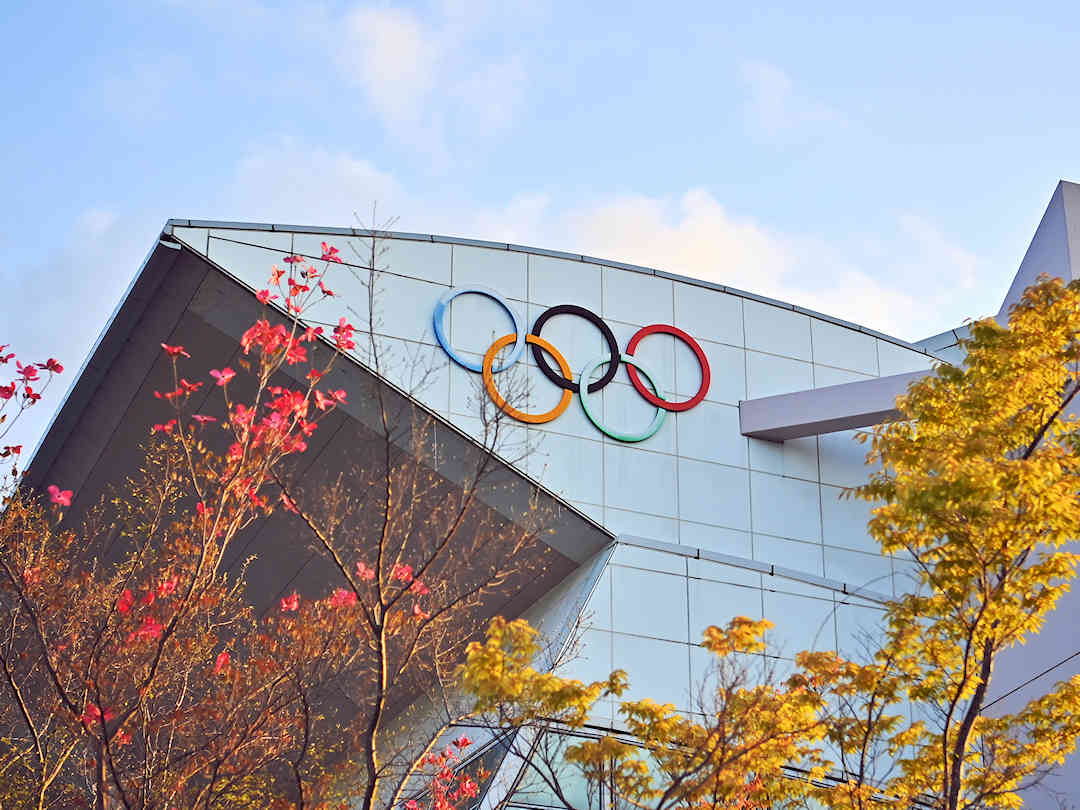
The Nagano Marathon takes athletes past major Winter Olympics venues in the city of Nagano | Image courtesy of All Sports Community
When is the next Nagano Marathon scheduled to be held?
The 2027 Nagano Marathon is scheduled for Sunday, 18 April 2027. Held in the second half of April, the race has a high chance of seeing cherry trees bloom while the surrounding mountains are still covered in snow, adding to its unique atmosphere.
What is the weather like during the Nagano Marathon?
In 2026, the race started cloudy and mild, but temperatures rose from 19.0°C at the start to 23.8°C by 13:00. Humidity dropped sharply from 60% at the start to 22% by 13:00, making hydration more important for runners finishing later in the day.
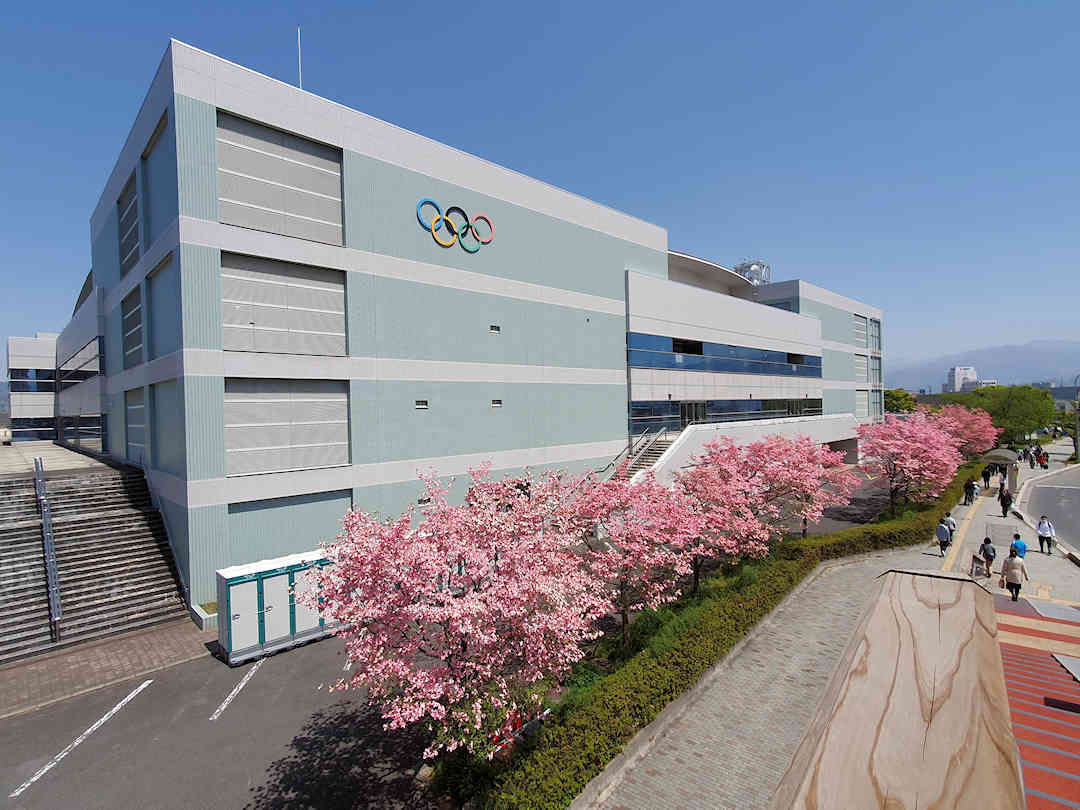
Held in the second half of April, there is a high chance to experience cherry blossom season during the Nagano Marathon
How many (foreign) athletes attend the Nagano Marathon each year?
While there is a cap of 10,000 participants, 10,847 runners registered for the 2026 Nagano Marathon. Of those, 9,295 started and 7,381 finished. It is relatively easy for foreign athletes to attend (more on that below), and 292 overseas runners registered for the 2026 event (227 men and 65 women). Check out the complete statistics here.
It is worth noting that the 2027 Nagano Marathon has a strict five-hour time limit. Participants who don’t reach certain checkpoints on the course by a specified time are deemed unlikely to finish within five hours and are removed from the course. This is more than a theoretical risk: only 7,381 of the 9,295 runners who started the 2026 event reached the finish line, an overall completion rate of 79.4%.
Do you love to run while exploring new destinations?
Packing the right running gear is crucial to maintaining your routine on business or leisure trips. As a seasoned runner, I always seek the best minimalist gear to make travel runs as seamless and enjoyable as possible. Do you have any recommendations or tips for the ultimate packing list? Share your insights and help fellow runners optimise their travel kits.
When and how do you enter the Nagano Marathon (and how much is the entry fee)?
Athletes can register for the Nagano Marathon (only) during a specific period, and only via the official website. Registration for the 2027 event opened at 10:00 on 18 October 2026 and will remain open until 23:59 on 1 December 2026, or until the capacity of 10,000 is reached.
The foreign runner entry fee for the 28th Nagano Marathon is JPY14,300. The entry fee must be paid by 1 December 2026, at the latest. Payments can be made by credit card.
Upon entry, each athlete must provide their estimated finish time, as the race number and start area are assigned based on it. For example, an estimated finish time of 3 hours and 15 minutes will give you a race number starting with 2000 and place you in start area D.
It is also important to note that, unlike other marathons, no costumes or disguises are allowed. That said, on race day, several participants wore funny hats, wigs, or lightweight costumes that didn’t interfere with their running or with other participants.
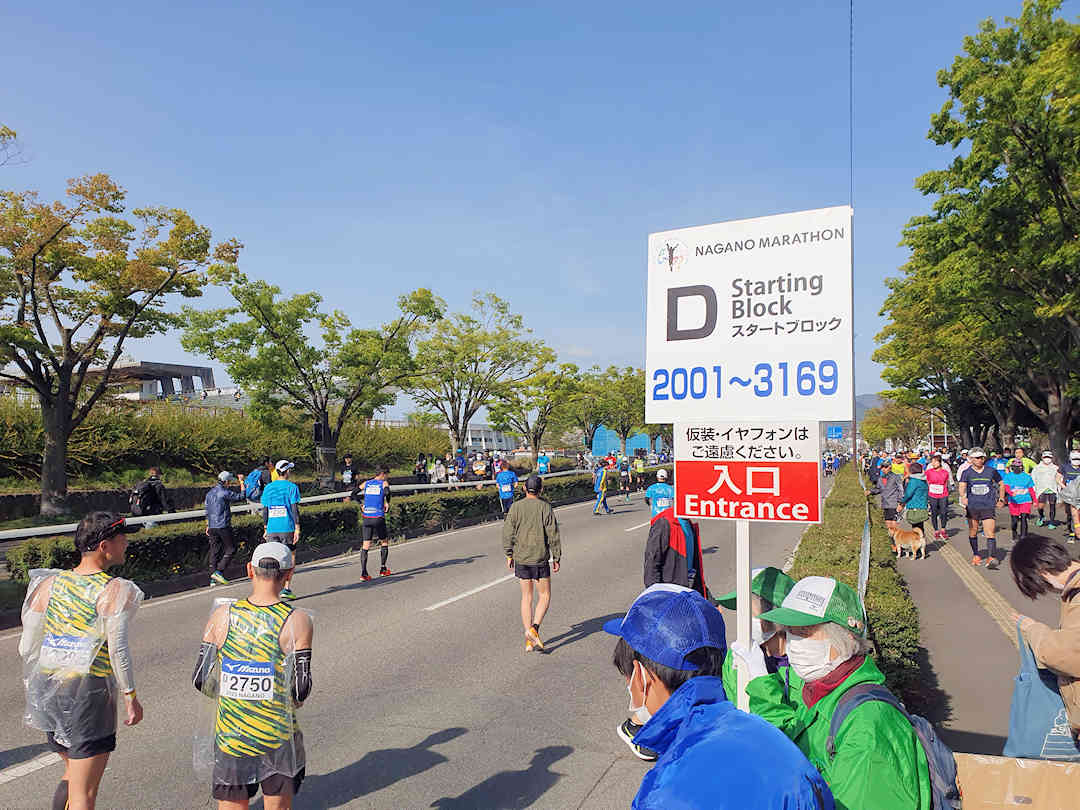
Your estimated finish time determines your race number and start area for the Nagano Marathon
Keen to run a marathon in Africa?
Are you keen to run a marathon in Africa? Are you considering the Marrakesh Marathon but don't know what to expect? Check out my detailed review and all the information you need to attend the event in 2027.
Where can you pick up your race pack, and what can you expect?
In prior years, athletes would pick up their race packs from the Nagano Wakasato Tamokuteki Sports Arena / Big Hat [Google Maps location] on the day before the marathon. Things will be a little different in 2027:
- Athletes based in Japan will receive their race pack by mail.
- Foreign athletes must pick up their race pack before the marathon on either Saturday, 17 April, or Sunday, 18 April 2027. The location of the pick-up and opening hours will be announced by the end of March at the latest (on race day, pick-up will be near the start line).
I also presume that this change means there will be no Sports Expo in 2027. Not a huge miss, but still, I always enjoy the Sports Expos, even if I seldom buy anything.
The 2023 race pack consisted of a printed t-shirt, two race numbers (front and back), an official program booklet (in Japanese), a participant’s guide (in English), and an A4-sized calendar featuring images from the previous year’s marathon for each month.

The Nagano Marathon has a Sports Expo with stalls and photo opportunities like this
What do Nagano Marathon finishers receive?
In prior years, all finishers received a medal and a commemorative towel, and it seems that this will still be the case in 2027. There are also awards for those placed first to sixth in each age group.
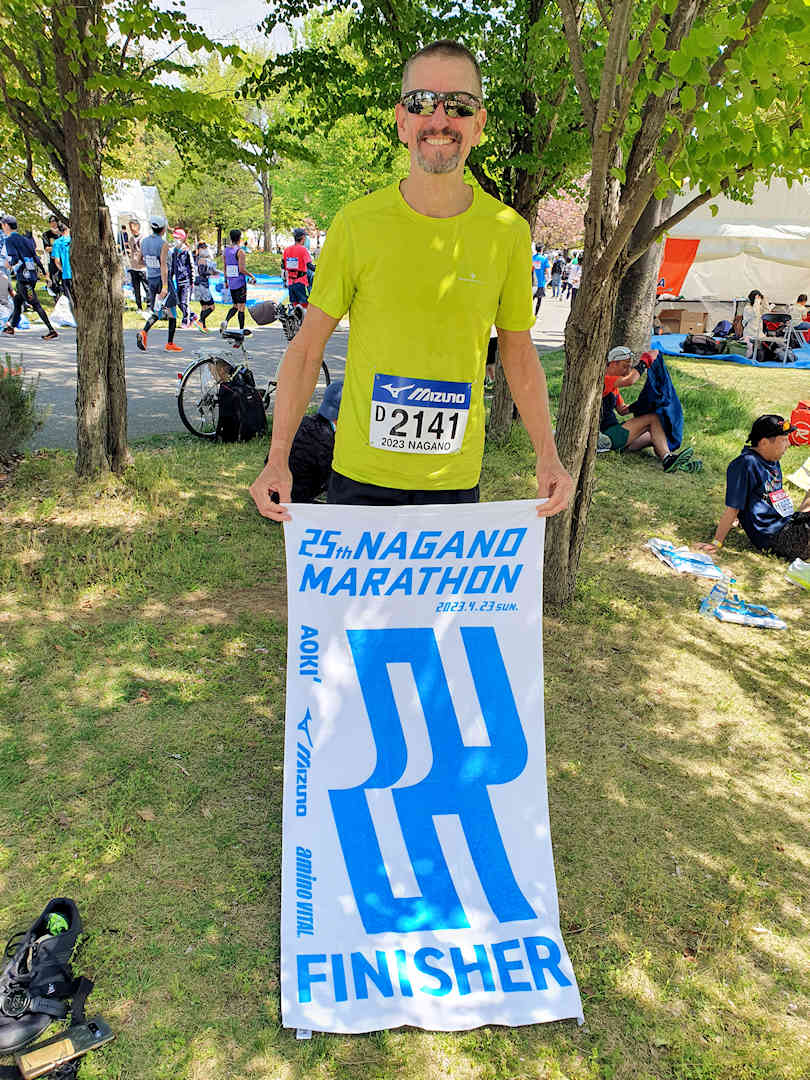
In 2023, all finishers received a medal and a commemorative towel
When and where are the Nagano Marathon race results published?
The Nagano Marathon delivers an excellent race-day experience, but its approach to publishing race results and participant data remained frustratingly old-fashioned between 2023 and 2026:
- No live results data was published during the race. And at the end of race day, only gross finish results were provided to each participant (as a PDF) – data that any athlete running with a sports watch would have anyway.
- Race result summaries of the top finishers were eventually published on RunNet, the largest running portal in Japan, and the World Athletics website. However, at no point did the race management publish the results of all athletes online, a common feature in other marathons.
- Athletes were able to download their certificates with official net times, event photos, and a list of the net times of all finishers just five days after the event. Interestingly, even non-finishers received a certificate showing their 5km times.
On a positive note, the 2023 men’s race was broadcast live on YouTube. (At 37m13s, you can see Sandra on the right, filming in her orange jacket.) The same was the case in 2024. Both race recordings are still available online.
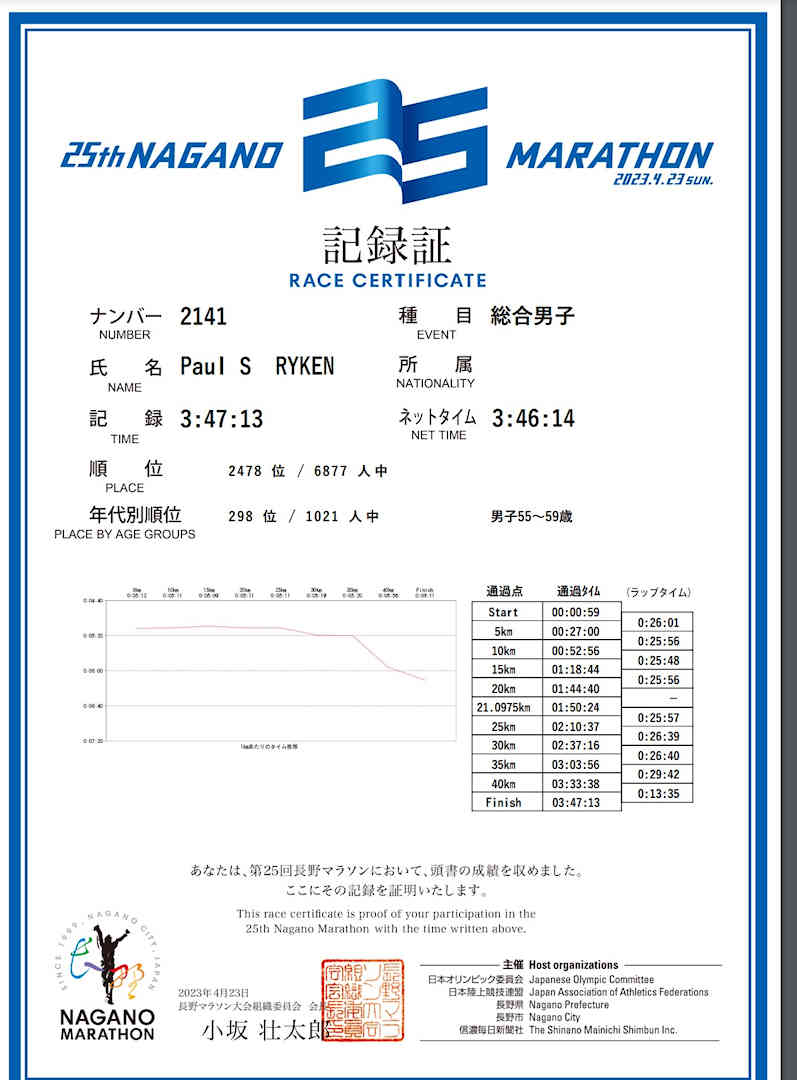
In 2023, athletes were able to download their official race certificates five days after the event
Everything you need to know about the Nagano Marathon Course
Nagano Marathon Route Map with Transport Hubs and Points of Interest
Below is the map of the route, points of interest, transport hubs and recommended accommodations mentioned in this article.
Nagano Marathon Key Locations
The course of the Nagano Marathon is one of the nicest we’ve experienced to date. It leads athletes past key venues of the 1998 Winter Olympics as well as major historic sights of the city of Nagano:
| Point of Interest | Course location | Description |
|---|---|---|
| Nagano Sports Park | Start | Key venue for 1998 Olympic Games ice hockey events |
| Zenkō-ji Temple | 6km | Founded in 642, Zenko-ji Temple is one of the first Buddhist temples in Japan and a key pilgrimage sight |
| Big Hat | 10km | Main venue for 1998 Olympic Games ice hockey events and venue for the Nagano Marathon race pack collection and sports expo |
| M-Wave (see note on minor course change in 2026 above) | 17km | Speed Skating venue during the 1998 Olympic Games and current location of the Olympic Museum |
| White Ring Arena | 23km | 1998 Olympic Games figure skating and short track speed skating venue |
| Nagano Olympic Stadium (also known as Minami Nagano Sports Park) | Finish | Venue for the opening and closing ceremonies of the 1998 Olympic Games |

The Nagano Marathon finishes inside the Olympic Stadium, the venue for the opening and closing ceremonies of the 1998 Winter Olympics
Nagano Marathon Course Description
The Nagano Marathon has a point-to-point course, with a distance of about 10 kilometres between the start and finish (as the crow flies). With an elevation gain/loss of 133 metres (caused by a few road bridges and river banks), the Nagano Marathon must be one of the world’s flattest marathons. There are a few out-and-back sections, but those are relatively short. And with the ever-changing scenery and great spectator support, including musical entertainment like drums and alphorns, the course is never dull.
The course is fully closed to traffic, and a large part is smooth asphalt. From 32km to 39km, athletes primarily run on riverbanks, which still have a sealed surface but are narrower and more exposed. Nagano is located in a long river valley surrounded by mountains, and therefore, it is almost always (a bit) windy. As runners approach the Olympic Stadium, the route changes to loose gravel for the final 400 metres, before athletes enter the stadium and run on grass for the final 195 metres until the finish line.

The Nagano Marathon course is stunning and spectator support amazing. There is even an Alphorn orchestra providing entertainment.
What is supplied on the course?
Route/distance marking and timing equipment
The marathon course is very well marked, with distance markers at every kilometre. Timing mats are located every 5 kilometres, as well as at the start, halfway mark, and finish (a total of 4). Each 5-kilometre timing point also had a large Seiko clock. The timing transponder is attached to the race number and is removed by volunteers after the finish.
Pace guides
To help runners achieve specific time goals, the race was supported by ten pacers who ran the course with goal times of 2h50m, 3h00m, 3h15m, 3h30m, 3h45m, 4h00m, 4h15m, 4h30m, 4h45m, 5h00m. The pace guides were all seasoned athletes in their own right.
Support Stations
The fifteen aid stations along the route were well placed apart. The sports drinks were always first, and the water was always last. The following food and snacks are available:
- Energy Jelly
- Bananas
- Sports Yokan
- Chestnut steamed buns
- Salt candy
- Castella
- Sports Caramel
- Rice balls
were provided from the 19-kilometre aid station onwards. The aid station signage was in English.
At checkpoints along the route, cooling spray was also provided— a unique feature we hadn’t encountered at previous marathons.
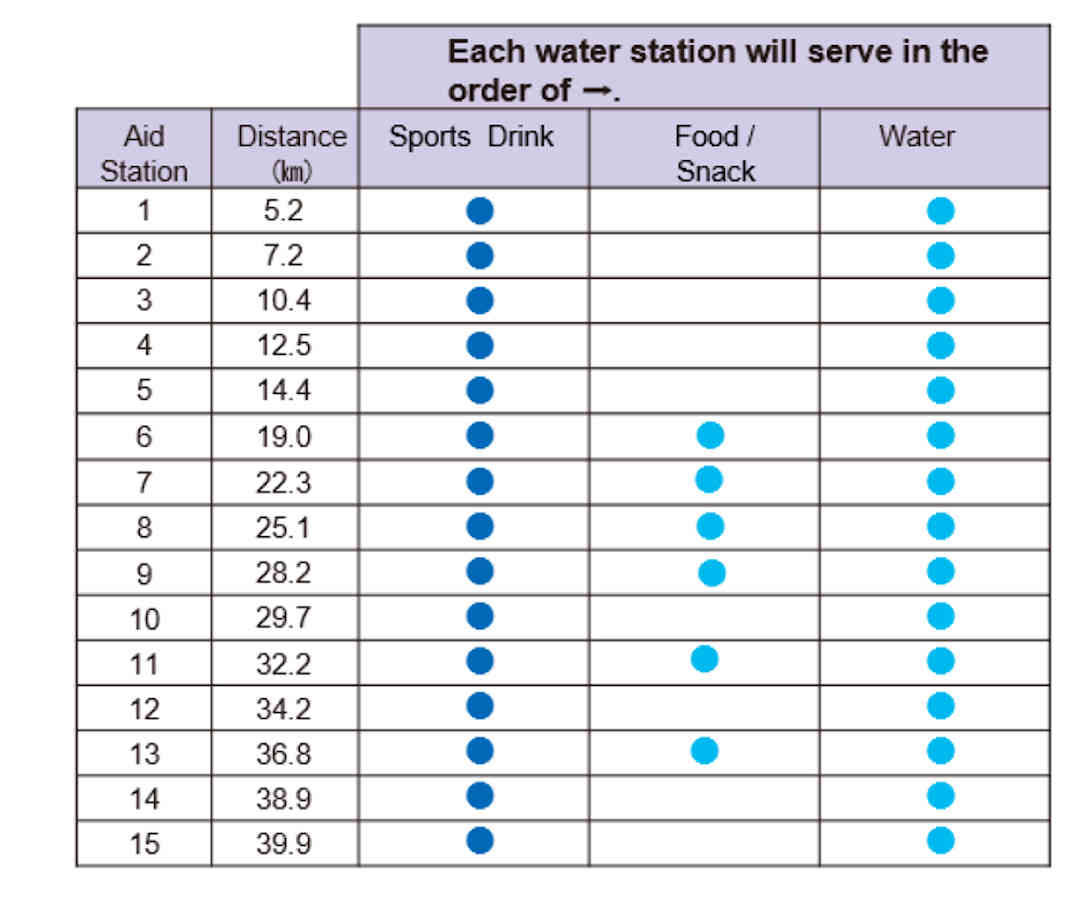
There are fifteen aid stations along the Nagano Marathon course, all well placed apart | Image courtesy of All Sports Community
How to get to Nagano?
By Train
Nagano is located northwest of Tokyo and can be reached from there on the Hokuriku Shinkansen in just under 1 hour and 30 minutes. From Nagoya, the Shinano Limited Express takes around 3 hours to reach Nagano.
If you are travelling from Kyoto, Osaka, or further west, you can usually get there via Tokyo, Nagoya, or Kanazawa. Journey times are broadly similar at around 4 hours 15 minutes to 4 hours 30 minutes, although for travellers without a JR Pass, the route via Tokyo is often the most expensive.
To compare the best option for your route and travel date, use the search tool below to check current train times, fares, and availability.
By Plane
I would not usually recommend flying to Nagano. While the closest airport is Shinshu-Matsumoto (IATA Code: MMJ), near Matsumoto, with regional services from Sapporo, Fukuoka, Osaka, and Kobe, it still leaves you with another 2 to 2.5 hours of bus and train travel to reach Nagano city centre. For most travellers, the train is the simpler and more practical option, with fewer moving parts and less travel friction overall.

Nagano doesn't have an aiport but being located on multiple shinkansen lines, train travel to Nagano is easy and convenient
Where to stay during the Nagano Marathon?
Accommodation in and around Nagano during the marathon weekend book out many months in advance – even before the marathon date is officially announced – and prices multiply for the one night before the marathon. If you have the luxury of choice, we recommend booking accommodation near Nagano Station – which has good public transport connections to the start and finish (more on that below).
While we booked our accommodation in Japan (including in Nagano) through familiar booking websites such as Agoda, Booking.com and Rakuten Travel, the Japan Tourist Bureau (JTB) is the official accommodation coordinator for (foreign) entrants. However, all options provided through JTB were (way) out of our budget.
There are very few hotels near the Nagano Marathon start line or finish line. Below are our recommendations for hotels near Nagano Station in the city centre (which are still bookable at the time of this update). See below for how to get to the start line and travel from the finish line. I recommend you take the official shuttle bus back to the Nagano Station after the race.
| Name | Property Features | Type | Price Indicator | Book Now |
|---|---|---|---|---|
| Sotetsu Fresa Inn Nagano | About 2 minutes from Nagano Station Coin laundry and self-service amenities Easy base for trains, buses and central Nagano | Hotel | $$$ | Book Now |
| Backpackers Dorms Miwa (on Nagano Marathon weekend) | Quiet residential location Free parking and bicycle rental Good base for Zenkoji and Nagano Marathon | Hostel | $$$ | Book Now |
| Hotel Livemax Premium Nagano Ekimae | About 12 minutes from Nagano Station Natural hot spring bath, sauna and coin laundry Good base for central Nagano | Hotel | $$$ | Book Now |
| Hotel Metropolitan Nagano | Directly connected to Nagano Station Multiple restaurants and on-site parking Easy base for Zenkoji and day trips | Hotel | $$$ | Book Now |
| Compass Nagano | About 9 minutes from Nagano Station Self-catering apartment with private bathroom City or mountain views | Hotel | $$$ | Book Now |
| The Saihokukan Hotel | Walk to Zenkoji and central Nagano Free parking and station shuttle Historic hotel with multiple restaurants | Hotel | $$$ | Book Now |
| Dormy Inn Nagano | About 1 to 3 minutes from Nagano Station Natural hot spring bath, open-air bath and sauna Coin laundry and free late-night noodles | Hotel | $$$ | Book Now |
| Jizokan Matsuya Ryokan | About 250 metres from Zenkoji Temple Traditional tatami rooms with attached bathroom Public bath and free parking | Ryokan | $$$ | Book Now |
| Nagano Tokyu REI Hotel | About 1 minute from Nagano Station Coin laundry and on-site restaurant Direct underground access in bad weather | Hotel | $$$ | Book Now |
| Hotel NewNagano NeXT | About 2 minutes from Nagano Station Coin laundry and on-site restaurant Convenient base for trains and central Nagano | Hotel | $$$ | Book Now |
| Hotel Courtland | About 1 minute from Nagano Station East Exit On-site restaurant Convenient base for trains and buses | Hotel | $$$ | Book Now |
| Mash Cafe and Bed | About 3 to 5 minutes from Nagano Station Café-bar, lounge and laundry facilities Private rooms and dorm beds available | Hotel | $$ | Book Now |
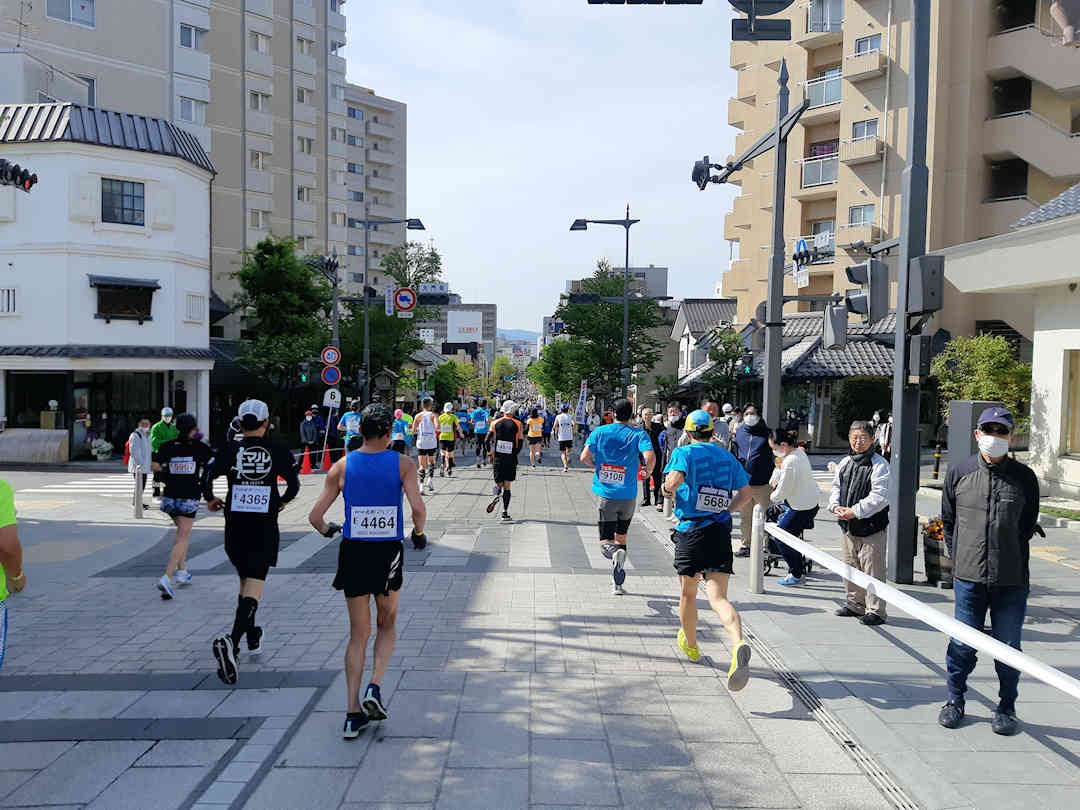
Accommodation in and around Nagano during the Marathon weekend book out many months in advance | Image courtesy of Michael Glenny
What we did
We arrived in Nagano on the Monday before the marathon. We stayed at the Sotetsu Fresa Inn (a block away from Nagano Train Station) for the first five nights, at the very affordable rate of JPY6,250 per night for a small double room. The hotel would have been a great choice for the marathon – albeit a twin room would have been more comfortable (the double bed was only 120cm wide).
When we booked, however, the Sotetsu Fresa Inn in Nagano was already booked out on the night before the marathon. The only other (non-smoking) room we could find at the time was in Ueda, a small town south of Nagano (and only a 12-minute ride on the Hokuriku Shinkansen from Nagano Station). Two weeks before the marathon (we kept looking daily in case rooms were cancelled), Backpackers Dorms Miwa (a hostel near the start line) suddenly offered rooms on Booking.com, and we managed to secure a twin room with a private bathroom and a shared kitchen/lounge (cancelling our original booking in Ueda).
The room cost JPY10,530 per night and turned out to be a great choice. While basic (as to be expected with a hostel), it was clean and quiet, and the host was super nice, providing food and drinks on the marathon morning and even driving the three runners staying at his hostel to the start line.

After initially booking accommodation outside of town, we found a room near the start line only two weeks before the race | Image courtesy of All Sports Community
How to get to the start line/travel from the finish line?
To the start line
The Nagano Marathon starts at Nagano Sports Park [Google Maps location]. The closest train stations are Kita-Nagano [Google Maps location] (on the Shinano line, covered by the JR Pass) and Asahi [Google Maps location] (on the Nagano-Dentetsu line, not covered by the JR Pass). From either of those stations, it’s a flat 15 to 20-minute walk to the start line.
At Nagano Sports Park, you’ll find the usual start line facilities, including trucks to drop off your gear and plenty of toilets, including porta potties. Signage (at least in 2023) was only in Japanese. Use Google Translate on your smartphone if needed. That said, the starting areas had Roman letter signs (A, B, C, etc).
From the finish line
In 2023, the event organisers provided free shuttle buses for athletes from the finish line to either Nagano JR Station [Google Maps location] or Shinonoi JR Station [Google Maps location]. The advice was for athletes to use the buses to Shinonoi over those to Nagano as the latter might be stuck in traffic for some time.
I followed the advice and took the shuttle bus to Shinonoi. Not only did I have to pay for the train ride from there to Nagano Station. I also had to wait (standing) for 45 minutes until a train arrived (and then another 15 minutes on the train, standing squeezed between other passengers). This is not something you want to go through after running a marathon. Based on that experience, we recommend taking the shuttle bus to Nagano Station.

This map at the finish area shows the departure points of the different shuttle buses
Xero Shoes HFS II Review: The best minimalist running shoe yet?
Wondering what the Xero Shoes HFS II are like? In this in-depth review, I’ll explore the shoe’s pros and cons and compare it to the original HFS.
How to go about supporting a participant?
Due to the course layout and lack of public transportation options on Sundays, it is impossible to follow and cheer on a participant using public transport. The organisers provide a paid bus shuttle for spectators to the Olympic Stadium from Nagano JR Station (JPY 600) and Shinonoi JR Station (JPY 250), so that spectators can at least cheer their athlete (s) across the finish line.
What we did
As Sandra wanted to support me as often as possible along the course and still be at the finish before I arrived, she opted to rent a bicycle. The lovely older couple running Miyamoto Shōkai [Google Maps location] (near Nagano JR Station) rented one to her for JPY1,500 for the day (their son also ran in the race). She didn’t go to the start line (as I had received a lift from our accommodation host) but managed to cheer me on at the 7-kilometre mark, at 20 kilometres, at 37 kilometres, and at the finish, cycling about 35 kilometres that day.
Since we both had Japanese (data-only) SIM cards (these days, we’d simply install an eSIM before arriving), Sandra tracked me using the Strava Beacon feature, although the tracker was always a bit delayed. As Strava Beacon requires cellular data, I carried my smartphone (as I do for every run), but no longer in a running belt. Instead, I now rely on my T8 Sherpa Shorts, which have a built-in storage system that securely holds my phone, gels, and essentials without bouncing or needing extra gear. It’s a simpler, more reliable setup that removes the need for a separate belt entirely.
While she had made a rough plan for how she might support me, being able to virtually follow me during the race allowed her to make adjustments as needed. Unexpected road closures and spectator crowds blocking footpaths meant that she had to deviate from her intended route a few times. After the race, she cycled back to return the bike to Miyamoto Shōkai, while I caught the free shuttle bus to Shinonoi Station and then took the paid train back to Nagano JR Station to meet her.

Due to a lack of public transport options on Sundays, Sandra hired a bicycle to support Paul during the Nagano Marathon
What to do in/around Nagano besides the marathon?
Nagano Prefecture is not all about the marathon, so ensure you add a few days before/after your marathon.
Here are our favourite day trips from Nagano:
The hiking area is located to the northwest of Nagano and can be reached by bus from Nagano JR Station in a bit over an hour. The Alpico Bus stop for Hakuba (number 26) is opposite the Nagano JR Station, and tickets can be bought at the Alpico office [Google Maps location].

Hiking to the five shrines on the Togakushi trail is both spiritual and cathartic
Below is the map of the various Shines located on Mt. Togakushi.
Obuse is located northeast of Nagano (on the Nagano Dentetsu Line) and can be reached by train from the Nagano Dentetsu Station (just north of the Nagano JR Station) in just over 20 minutes.

Obuse town scene
If you’re after a traditional Japanese spa experience, Nozawa Onsen [Google Maps location] is a spa town north-east of Nagano (about 1.5 hours by train and bus), offering access to a variety of hot springs to day visitors. To get here
- Take the JR Shinano Tetsudo Kita-Shinano Line or Hokuriko Shinkansen from Nagano JR Station to Iiyama JR Station (both are covered by the JR Pass).
- From the bus stop outside the station, take the Nozawa Iiyama Line Bus (野沢飯山線) to Nozawa Onsen.
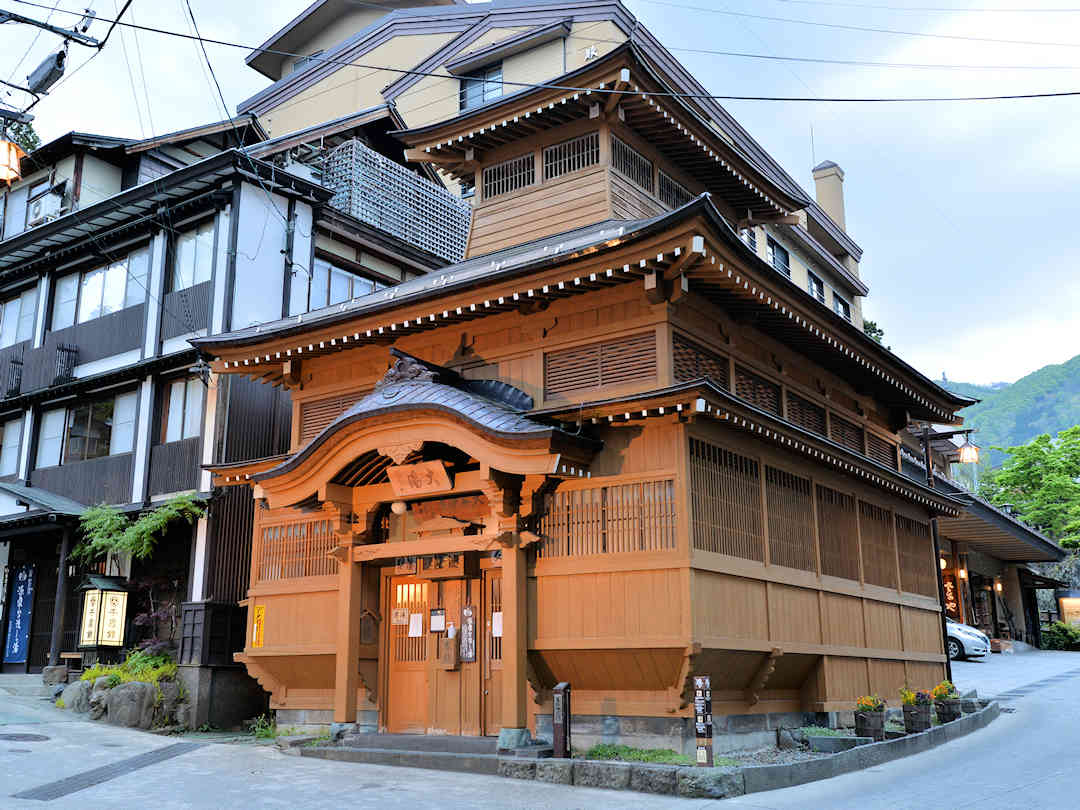
Oyu in Nozawa Onsen
Nagano prefecture is also home to 80 sake breweries and 35 wineries. So why not visit a few wineries or join a sake/miso tour run by a local?
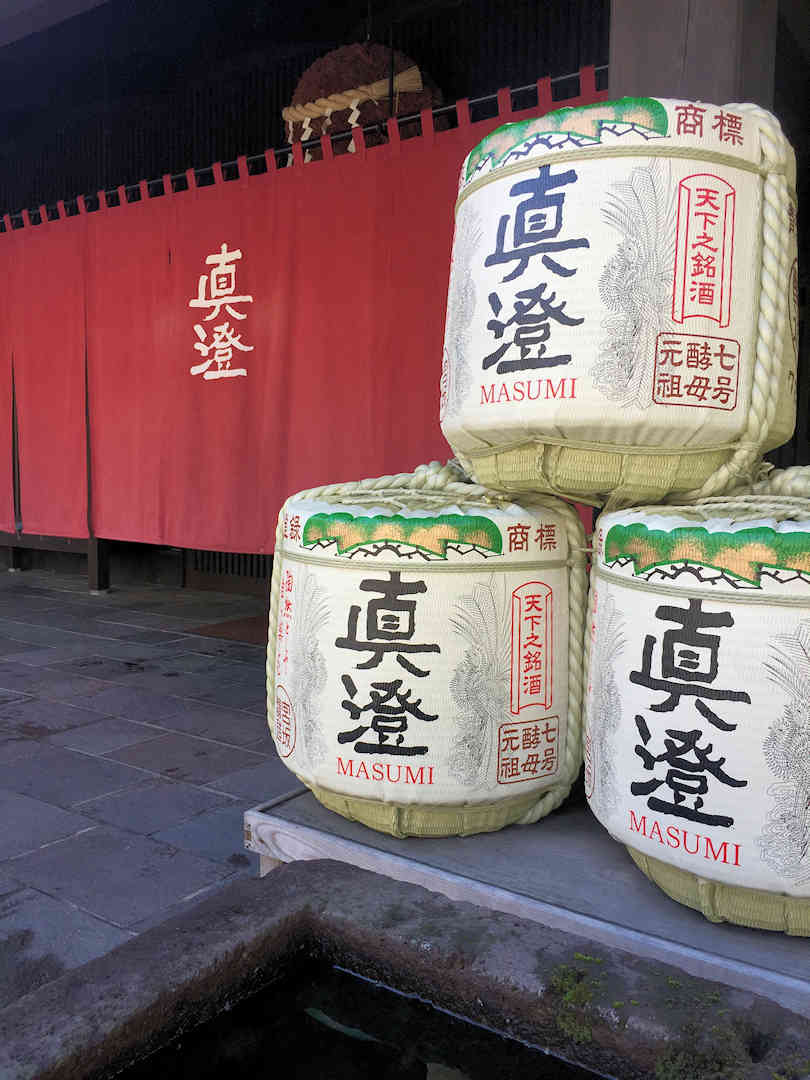
Miyasaka Brewing Co in Masumi
Have you run the Nagano Marathon?
I wrote this race guide and review based on my own experience at the 2023 Nagano Marathon, incorporating feedback from athletes who have run the event since. If you’ve run the Nagano Marathon and have something to add, please feel free to contact me.
Before you go, if you liked our article and found it helpful, we would appreciate it if you could share it with your friends and family via the Share buttons below. Even better: Leave a short review on Trustpilot or Google, which would help us further build our online reputation as a (trustworthy and helpful) travel and lifestyle blog.