

This article may contain links to products and services we use and recommend. We may receive compensation when you click on links to those products. For more information, see our Disclosure Policy.
If you’re female, head over to our carry-on packing list for women, where Sandra shares her learnings from over 9 years of carry-on-only travel.
By the way, this article prepares you for travel in any season and weather. If your trip takes you into the Tropics, you may not need a down vest or extra-warm hoodie. Likewise, if you go skiing in Canada, you may need a few warm layers (but you may want to leave your sandals and swimwear at home). Use common sense, and check the weather at your destination if unsure.
Luggage and Organisation
If you don’t have carry-on luggage yet, check our guide to find the carry-on travel pack that’s right for you. Below are the luggage and organisational items I currently carry with me, or – if an item is no longer manufactured and available for sale – what I would purchase if I had to replace it today.
Travel Pack / Packing Cubes
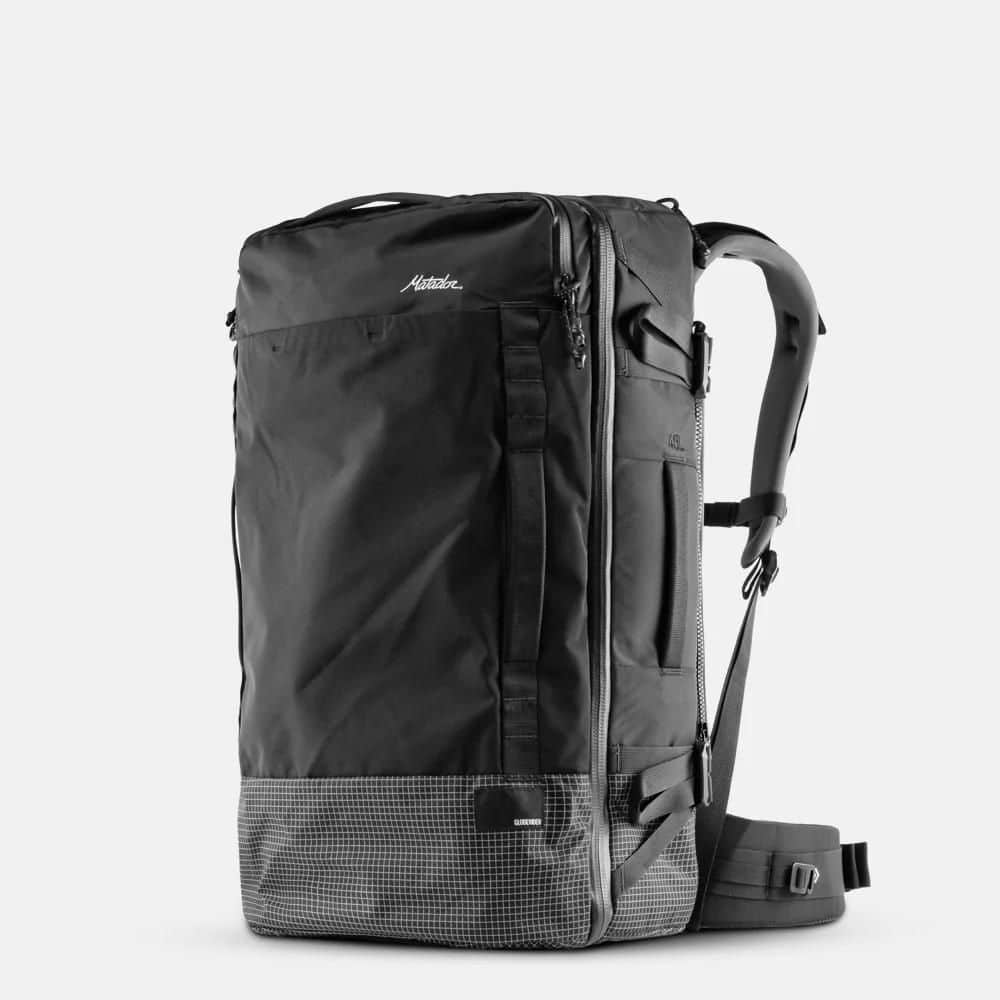
I began my minimalist journey with the Tortuga V2 travel pack, which served me well for almost seven years until fraying seams marked its end. When replacing it, I opted for the Matador GlobeRider45 Travel Backpack, which best suited my needs for durable, lightweight, and weather-resistant carry-on luggage.
To maximise space in my pack, I initially used Tortuga-specific packing cubes. However, when upgrading my travel pack, I transitioned to the Matador Packing Cube Set (3-Pack) to match my Matador GlobeRider45. These cubes are lightweight, water-resistant, and highly versatile, and they perfectly fit the backpack’s internal dimensions.
What sets the Matador apart is its commitment to sustainability. They prioritise responsible production processes and durable designs to reduce waste. The cubes are crafted to last through years of travel, aligning with my minimalist ethos of owning fewer but higher-quality items.
The cubes also enjoy glowing reviews from gear enthusiasts, with platforms like Pack Hacker praising their innovative design, impressive weight-to-volume ratio, and durability. They’re ideal for efficient organisation, whether I’m packing clothes or keeping smaller items in check. If you value functionality without compromising environmental responsibility, these packing cubes are an excellent addition to your travel gear.


Daypack
Sandra and I share a daypack, and we’ve always travelled with one that is ultralight and packable. We use it as a personal item on the plane, as a daypack on hikes and around the city, and to carry our technical gear when we work in a library or cafe. We even carry heavy groceries in it from time to time, supplementing our Sea to Summit Ultra-Sil Shopping Bag (also shared).
We initially purchased a Tortuga daypack in 2016. It got a lot of use, but the seams needed to be stitched up over and over. A year later, we purchased the Matador Daylite 16 (no longer manufactured), which lasted about two years. This time, the main compartment zipper was the weak point. As we liked the ultra-lightweight yet durable material, we stayed with Matador, purchasing the Matador Freerain24 (also no longer manufactured). Serving us well for four years, in the end, its mesh side pockets started to disintegrate.
We have experienced first-hand how Matador products have improved over the years, and why change if you’re onto a good thing. Our current ultralight daypack is the Matador Freerain22.


Wallet
You need something to store your cash and cards. I usually only carry notes, two cards (my driver’s licence and a credit card) and a few business cards (you never know who you’re bumping into). Sandra carries a coin purse, so I don’t need to worry about change. For that reason, my wallet doesn’t need to be huge.
After researching alternatives with stronger sustainability credentials, I chose the Corkor Minimalist Credit Card Wallet (Card Sleeve), handcrafted from FSC®-certified cork leather. Vegan, durable, and ethically made in Portugal, it reflects our values of conscious consumption and low-impact living. I’ve had it for three years and am very happy with it.
Shoe Bag
I own only three pairs of footwear, and the ones I am not wearing go into my travel pack. Keeping shoes separate from clothing helps the rest of my bag stay cleaner and more organised. Based on product fit and research, I think the Travel Dude Shoe Bag Set is a sensible option for travellers who want a lightweight, dedicated place for shoes rather than using a loose plastic bag or overloading a packing cube. Travel Dude says the set includes two lightweight shoe bags made from recycled plastic bottles and featuring tear-resistant, water-repellent fabric. One practical note: direct store shipping is primarily geared toward Germany and the rest of Europe, so this option is likely most relevant for Europe-based travellers. For orders outside Europe, Travel Dude currently points shoppers to Amazon for better shipping options.
Stuff Sack
I use my waterproof stuff sack primarily to store dirty laundry, but also on occasion to (temporarily) store wet clothes and as extra protection for our valuables in pouring rain – to be on the safe side.
Assessing Ethical and Sustainable Brands
We carefully evaluate gear and business tools for their quality and longevity, but we also prioritise products made with ethical and sustainable practices. Explore our trusted resources to discover how manufacturers are reviewed for their sourcing and production methods.
Clothing
My clothes are predominantly made of merino wool. I’ve driven past the green fields in Australia and New Zealand where the sheep graze and the wool is grown, and I feel good about buying my items from companies that embrace sustainability.
Below are the clothes I currently wear on my travels (no matter the location or climate), or, if they are no longer manufactured and available for sale, what I plan to replace them with when they’ve reached the end of their life.
Underwear
How many pairs of underwear do you think you need? We travel with seven pairs each. This way, we only need to wash once a week.
- I wore ExOfficio Give-N-Go Boxer Briefs for the first five years of our minimalist journey. I had chosen ExOfficio based on overwhelmingly positive reviews on various travel forums, and I was pleased with them. While the ExOfficio Give-N-Go Boxer Briefs were very comfortable, when it came to replacing them, I was looking for a bit more support and my preferred material: merino.
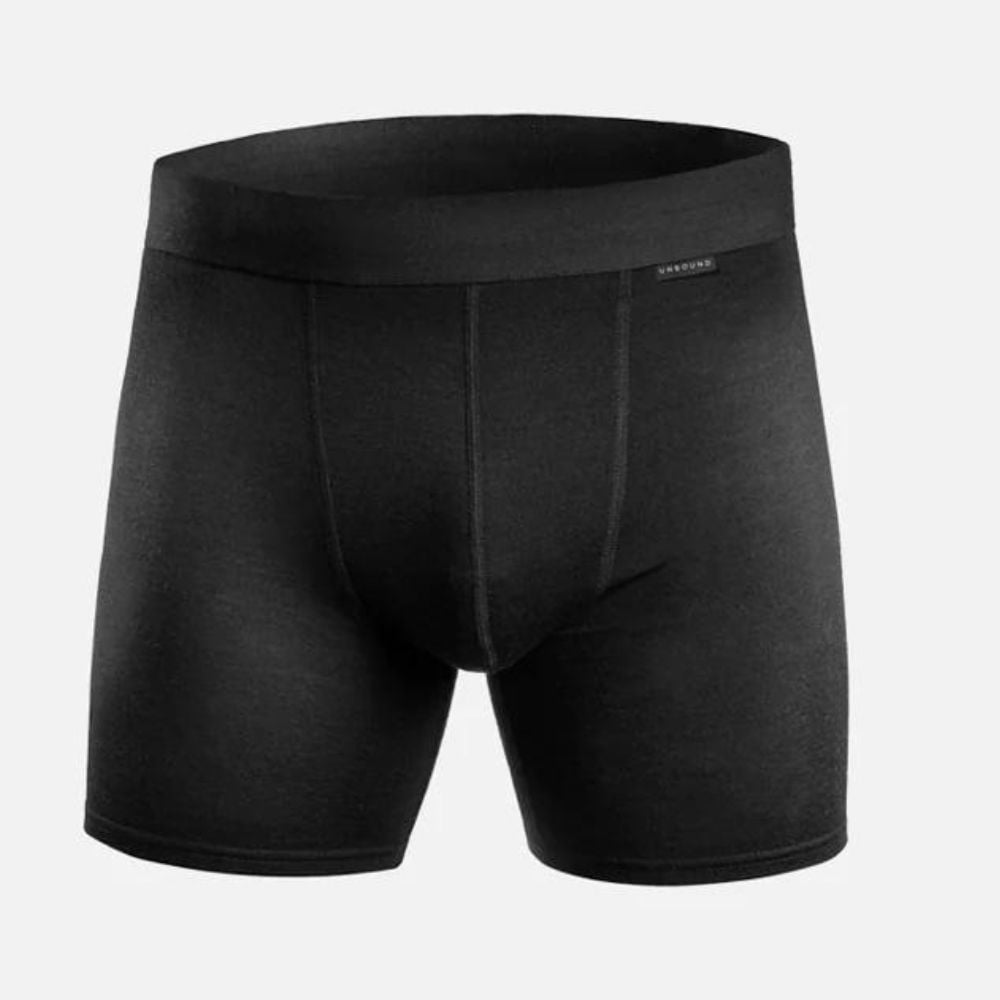
- After trialling a pair of Unbound Merino Boxer Briefs in May 2021, I was hooked. These briefs are very supportive around the entire frame and down the legs, allowing movement while still keeping things in place (you can read my full review here). I’ve now worn Unbound Merino Boxer Briefs for several years and couldn’t be happier.

Sleepwear
According to Men’s Health, 31% of Americans sleep fully clothed, and 52% partially clothed. While I’m not American, I’m in the majority. I sleep in a pair of Mitch Dowd Boxer Shorts year-round these days. These lightweight, breathable boxers add a touch of fun with their colourful designs, combining comfort with a sense of humour. Perfect for warm and cool nights, they embody my minimalist yet functional travel wardrobe.
Socks
I only own three pairs of socks (not including my running socks). As I replace them annually, I’ve had the opportunity to test a lot of different brands and models, from Icebreaker and Macpac to Unbound Merino, Smartwool and now Fox River. Out of the bunch, I like the Fox River socks the most.

Layers
Layering (especially with merino garments) allows you to travel light in any season. My current layers are:
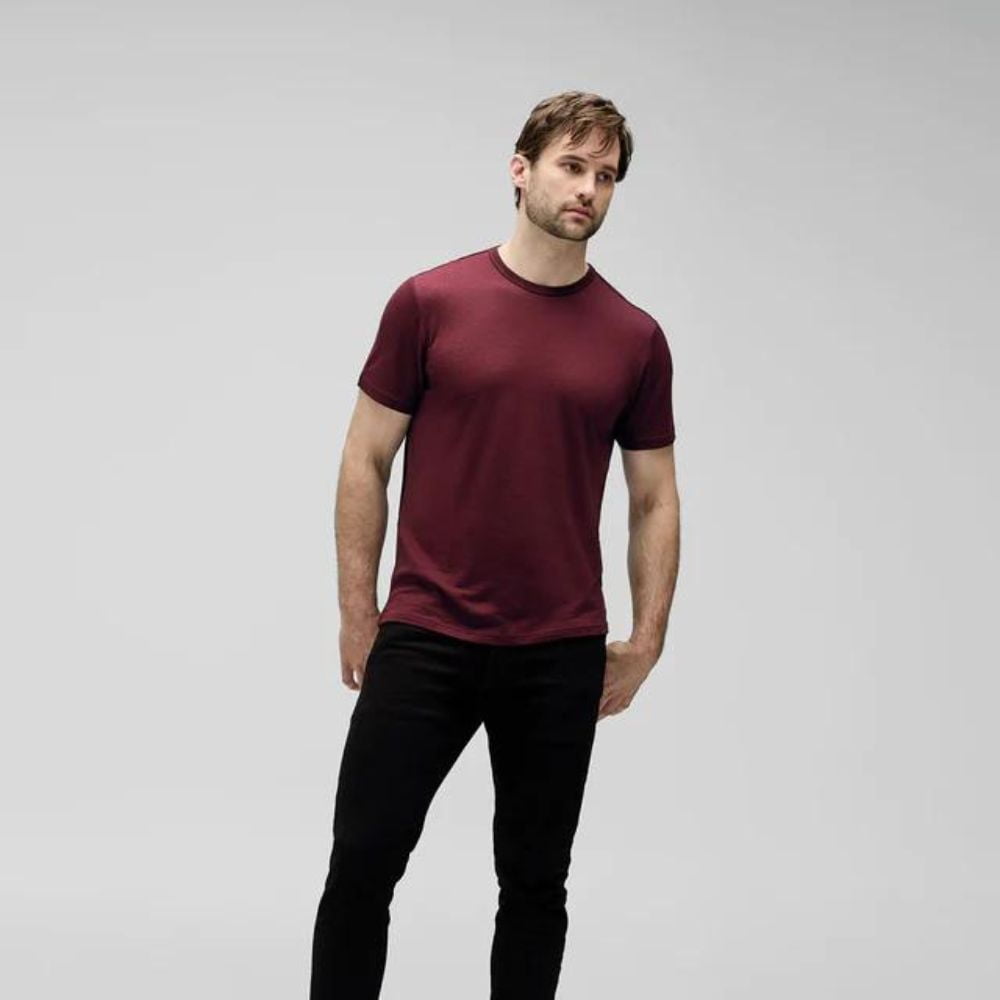
- T-Shirts: I travel with three Unbound Merino Crew Neck T-Shirts, all 100% Merino. I can wear them for three to four days without smelling, even in tropical climates. No cotton or polyester shirt would last that long. I have worn Icebreaker, Macpac and even Allbirds over the years (yes, they didn’t only make shoes), but Unbound Merino t-shirts (with merino wool sourced from Australia) are hands-down the best quality t-shirts I’ve come across to date.
- Hoodie: After years of wearing Merino hoodies and zip-up jackets from Icebreaker and Macpac—and noticing rising prices alongside declining quality—I now exclusively choose the Unbound Merino Compact Travel Hoodie. It is my go-to extra-warm layer for cool evenings. Given that my pants are all black (more on that below), I selected Sahara for the first top, and I currently own a charcoal Unbound Merino Compact Travel Hoodie.
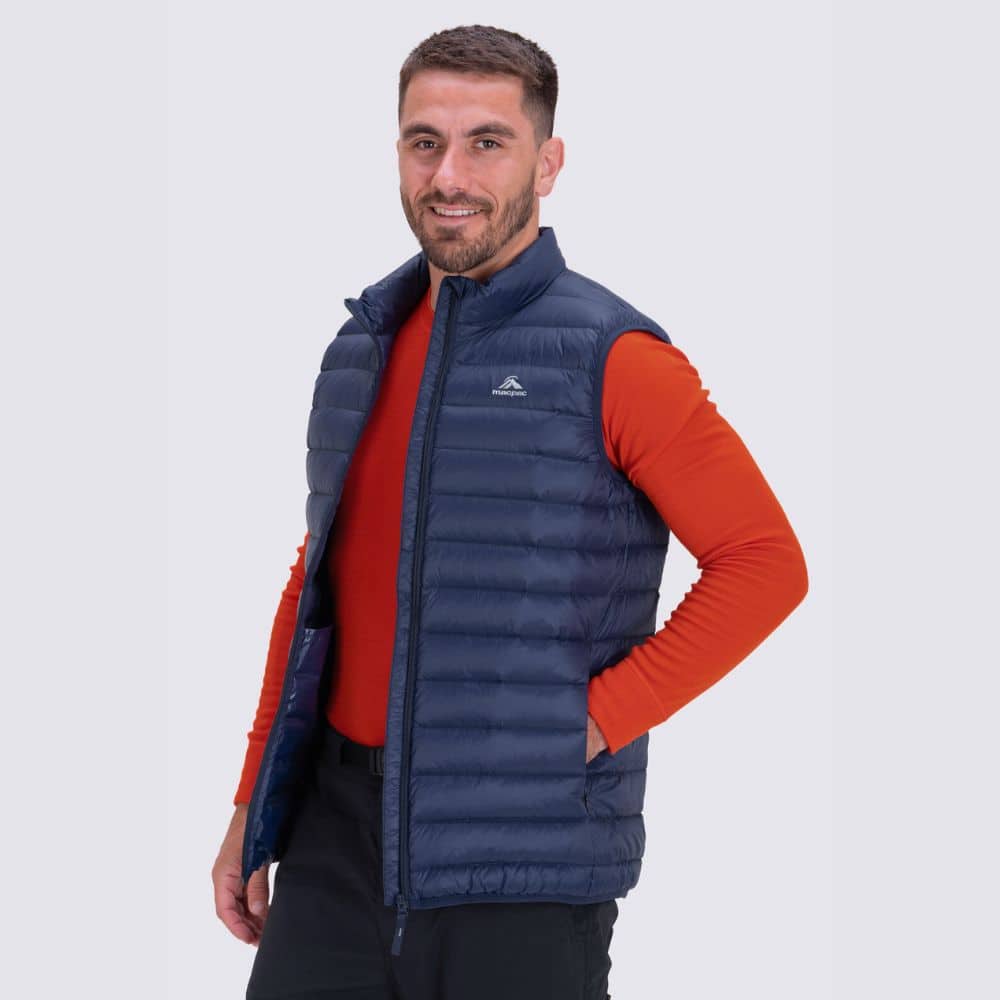
- Down Vest: I used to wear an Unbound Merino active shirt over my T-shirts, but that combo proved too warm. These days, I slip on my Macpac Uber Light Down Vest instead. At just 305 grams, it stuffs into a pouch no bigger than my fist yet keeps the chill at bay when the mercury drops. Tip: A lightweight down vest is a far more versatile—and pack-friendly—way to handle crisp mornings than lugging an extra jumper.
- Rain Jacket: I chose the Patagonia Men’s Torrentshell 3L Rain Jacket after extensive research. It strikes the perfect balance of durability, weather protection, and sustainability, essential for minimalist travel. Its waterproof, windproof, and breathable three-layer construction keeps me comfortably dry in persistent rain or strong winds. Practical features like pit zips for ventilation, adjustable cuffs, and a packable design (conveniently folds into its pocket) make it ideal for travel. Best of all, Patagonia‘s ethical manufacturing aligns perfectly with minimalist and sustainable values.


Pants
Some tourists like to wear pants with zip-off half-legs, but I don’t. I travel with two long pants and two pairs of shorts – all black, so that my wardrobe matches: black pants with a coloured top:
- Shorts: I used to own two pairs of black Columbia Silver Ridge Cargo Shorts, purchased in September 2017. I had used the same model in a lighter colour when I travelled around the Americas in our first year of full-time travel, but over time, they showed stains despite regular washing – hence the swap to black ones. In June 2024, I purchased the Patagonia Men’s Quandary Shorts as I was so impressed with the pants version.
- Long Pants: I wear shorts as much as I can, but for colder days, I have two lightweight pairs of long pants. They are very durable yet look smart enough to wear on date nights and formal occasions (including weddings). My pants of choice are the Patagonia Men’s Quandary Pants.


Head, Neck, and Hand Protection
I’m not one to cover up my head unless it’s mainly sunny or cold, but having the right gear makes all the difference when braving extreme weather. Here’s what I rely on to keep comfortable across seasons:
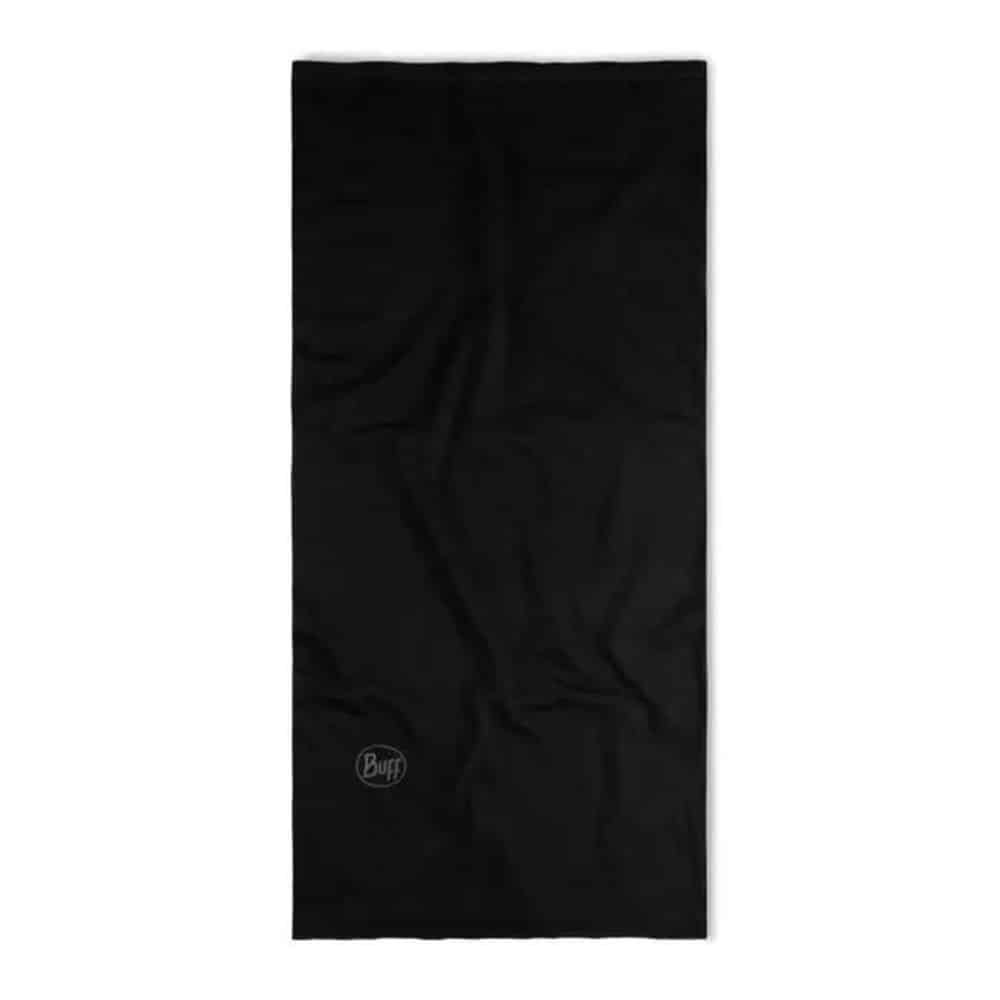
The Buff Merino Lightweight Neckwear is a staple year-round. I use it during the summer for protection against the sun and dust while hiking, and in winter, it doubles as a neck warmer. Lightweight and breathable, it’s easy to pack and endlessly functional
The Icebreaker Pocket Hat is a must-have for winter runs or chilly mornings when temperatures drop below 6°C. It keeps my head warm without overheating and wicks moisture efficiently, making it comfortable for prolonged wear.
I trust the Icebreaker Unisex Merino 260 Quantum Gloves to keep my hands warm and comfortable on cold days. Made from 98% merino wool and 2% elastane, they provide excellent thermal regulation, odour resistance, and a snug fit. Their touchscreen-compatible and lightweight design makes them ideal for layering under heavier gloves or for casual use on their own. These gloves are also sustainably crafted, aligning perfectly with my minimalist and eco-conscious lifestyle.
This setup prepares me for sunny and freezing conditions while keeping my gear light, functional, and sustainable.


Swimwear
After covering versatile clothing items suitable for different scenarios, swimwear is essential in any minimalist travel wardrobe—especially if your adventures include beaches, rivers, lakes, or simply unwinding by the pool.
I recently updated my swimwear to the Patagonia Wavefarer Boardshorts for AUD99.95. Why Patagonia? Their products aren’t just durable and practical; they strongly align with my commitment to sustainability and intentional living. Made from 100% recycled nylon sourced exclusively from discarded fishing nets (NetPlus® fabric), these board shorts help support ocean conservation and reduce plastic waste.
Why these boardshorts?
- Sustainable Materials: Made from 100% recycled fishing nets (NetPlus® fabric), bluesign® approved, free from harmful PFAS chemicals.
- Ethical Production: Fair Trade Certified™ sewn, ensuring fair wages and safe working conditions.
- Versatility and Durability: Lightweight, quick-drying, robust enough for surfing, yet stylish enough for casual wear.
- Travel-Friendly Design: Includes a secure zippered pocket for keys or cards, a reliable drawstring closure, and a comfortable fit that prevents chafing during extended wear.
Following swimwear, let’s discuss another crucial travel component: versatile footwear.

Sustainable 100% recycled nylon boardshorts with quick-dry, DWR coating, a secure fit, and a Fair Trade Certified™ sewn design.
Footwear
The right pair of shoes can significantly enhance your travel experience, ensuring comfort, support, and versatility across various environments. Following a minimalist philosophy, I own just three pairs of shoes: hiking shoes, running shoes, and sandals. Here’s how they fit into my carry-on travel lifestyle:
Hiking Shoes
My hiking shoes are the most important item in my travel wardrobe. I used the Salomon X Ultra LTR GTX for years, but as I shifted towards lighter, more flexible footwear, I moved to Xero Shoes—first the Xcursion Fusion, then the Mesa Trail II in 2024.
The Mesa Trail II performed well under most conditions, but it wasn’t waterproof, which proved limiting in wetter environments. I now use the Xero Shoes Scrambler Trail Low WP, which covers that gap.
It’s a lightweight waterproof hiking shoe that works across a range of conditions, from muddy trails to long walking days in cities. For me, it means I can rely on a single pair instead of packing multiple pairs of shoes, though it offers less structure and protection than a traditional hiking boot.

A lightweight waterproof hiking shoe for travel and mixed terrain, offering flexibility and all-day comfort.
Sandals
My go-to sandals for hot climates and casual outings are the Xero Shoes Z-Trail EV, which replaced my older Xero Shoes Z-Trek sandals (no longer manufactured), which I had worn since 2017. The Z-Trail EV combines minimalist design with durability, making it ideal for beach and city explorations. They are also perfect for communal showers, providing protection and drying quickly.
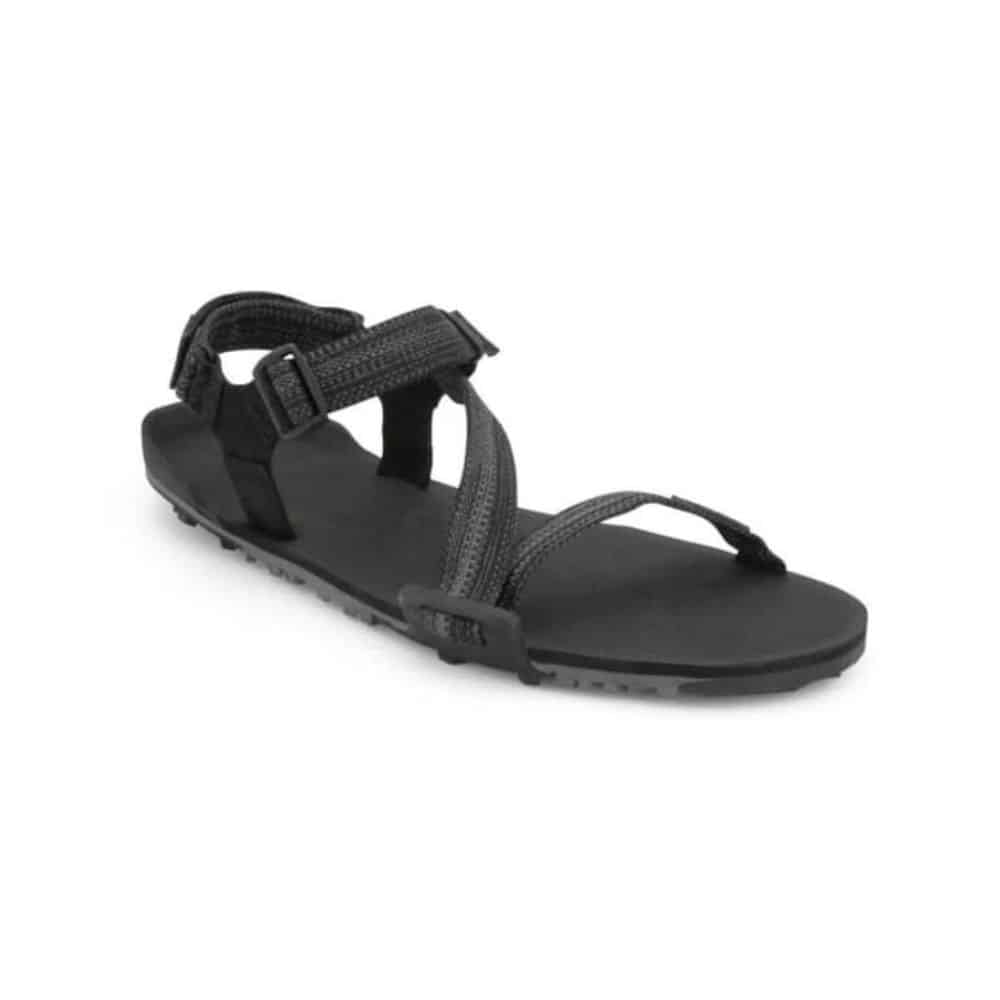
Lightweight, packable sandals made from vegan and recycled materials. Ideal for travel, trail, and everyday use.
Technology
My technology list covers non-business items that a typical traveller would carry on a longer trip. I try to keep it practical and lightweight, with each item doing a clear job. If you are looking for the technology and tools we use for digital nomad work, check out our small (remote) business resources.
I now think about my charging setup less in terms of a specific product and more in terms of the features that matter. My preference is a compact USB-C-only Gallium Nitride travel charger with at least 65 watts of output and two USB-C ports. That gives me enough power for the devices I use most, while keeping my cables consistent and my packing list simple.
The reason I use this approach is straightforward: I do not want a different charger and cable for every device. Standardising around USB-C means less bulk, fewer points of failure, and a setup that is easier to manage in airports, hotels, buses, and apartments. A charger with sufficient output also gives me the flexibility to charge a laptop and a smartphone from the same unit, even if the laptop charges more slowly overnight.
Headphones
Headphones are one of the few items I use almost every day while travelling, from long flights and bus journeys to quiet mornings out walking or running. I recommend the Shokz OpenRun, which uses bone conduction technology to sit just in front of your ears rather than inside them. This makes them noticeably more comfortable over long periods, especially in warm climates or on extended travel days. They are lightweight (around 26 grams), pack down easily, and hold up well to regular use, with an IP67 water-resistance rating. With up to 8 hours of battery life, they are simple, reliable, and well-suited to a carry-on setup where every item needs to earn its place.
Flashlight/Headlamp
In our first year of full-time travel, we carried a strong yet ultra-light flashlight. We sold it as we didn’t use it (often enough), only to realise that we did need a (hands-free) light (on multi-day hikes, in dimly lit caves, etc). Thus, we are now travelling with a Nitecore NU20 Classic Headlamp each.


Toiletries
My toiletries are separated into consumables and permanent items:
My permanent items are:
I’d love to always purchase eco-friendly consumables wherever I travel, but that is not always an option. Before I start a new journey, I purchase:
- a new shaving soap (which I keep in my Matador Flatpak™ Soap Bar Case)
- a bamboo toothbrush (which is protected by a Matador Toothbrush Cap made from silicone)
- Denttabs
- Coconut Matter Deodorant
- Sunscreen
- Insect repellent.
I always stay within the 100ml carry-on allowance (obviously) and use zero-waste products where possible. I keep my toiletries in a small Sea To Summit Travelling Light Hanging Toiletry Bag.




Accessories
I keep my accessories simple, but each item has a clear purpose. These are the small things that make daily travel easier — staying connected, keeping clean, and handling the unexpected without needing to buy anything on the road.
Most of my setup is built around a single charging system. I use a no-name international travel adaptor to charge everything — my smartphone, headphones, watch, battery pack, and headlamp — from a single outlet. It reduces clutter and means I’m not carrying multiple chargers.
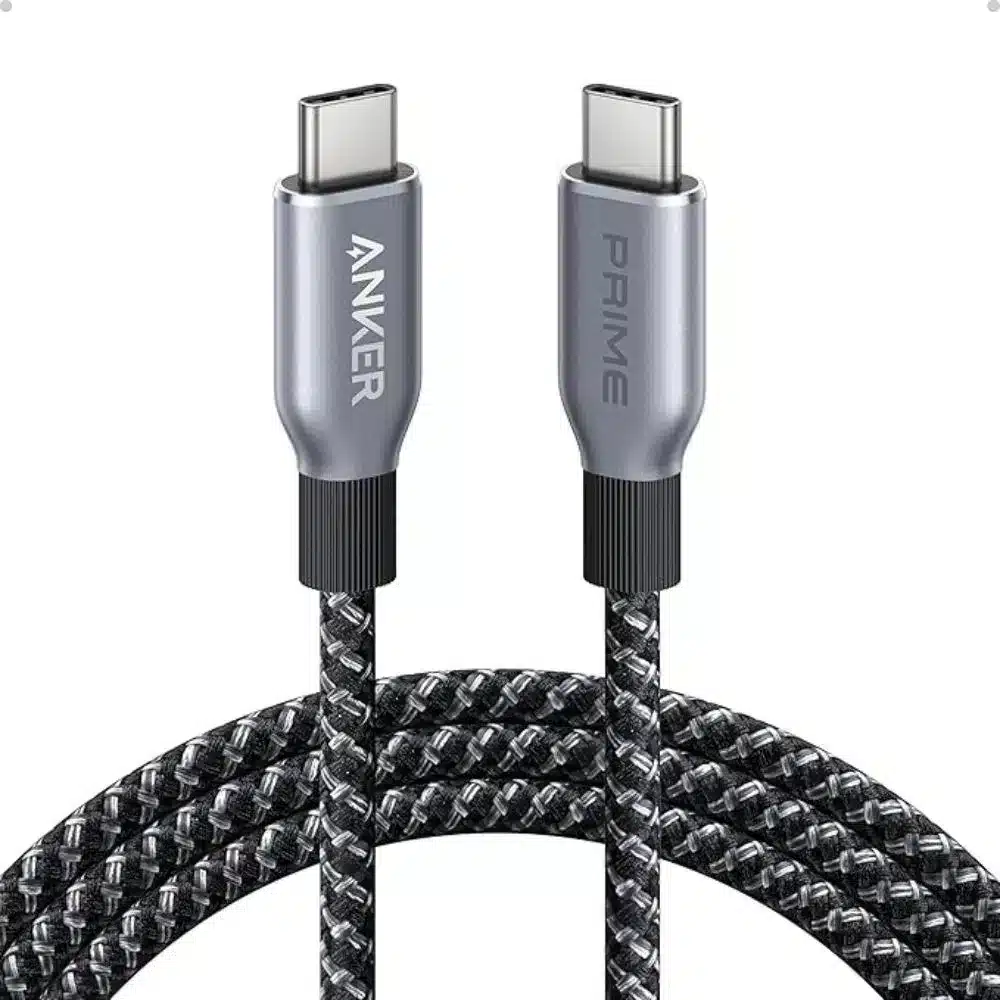
I carry two USB-C to USB-C cables. One is my primary cable for charging and data. The second is a short cable that I use with my battery pack or in tight spaces, like on planes or buses. It also doubles as a backup, which matters when everything depends on your devices working. I use the Anker Prime USB-C to USB-C Cable because it’s reliable, fast, and works across all my devices — so I don’t need different cables for different gear.
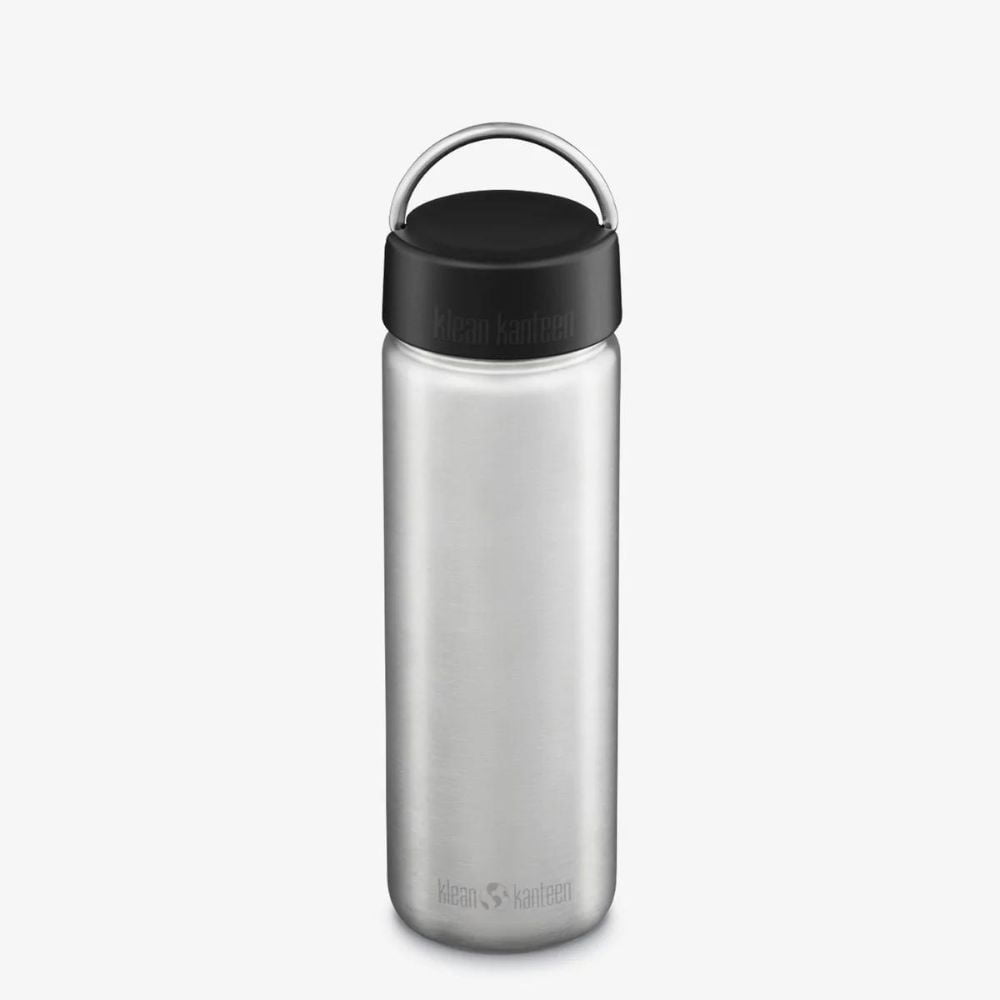
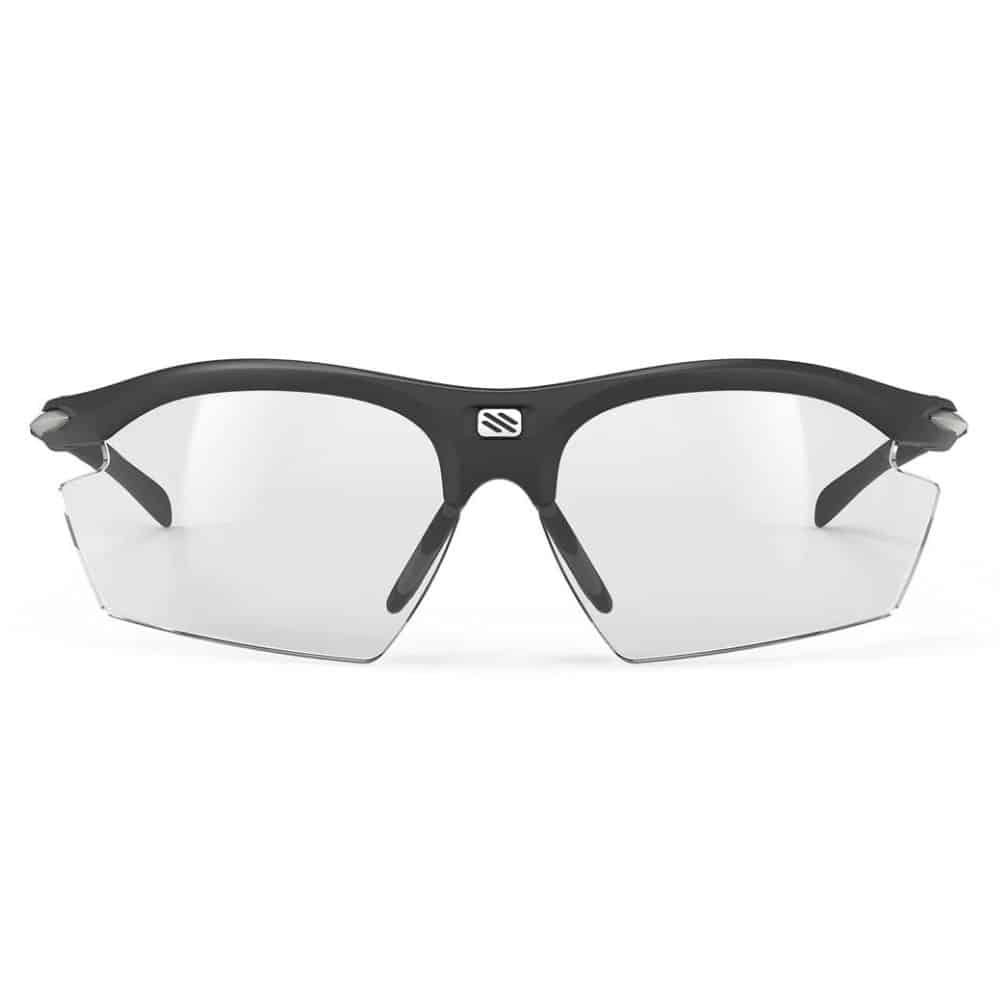
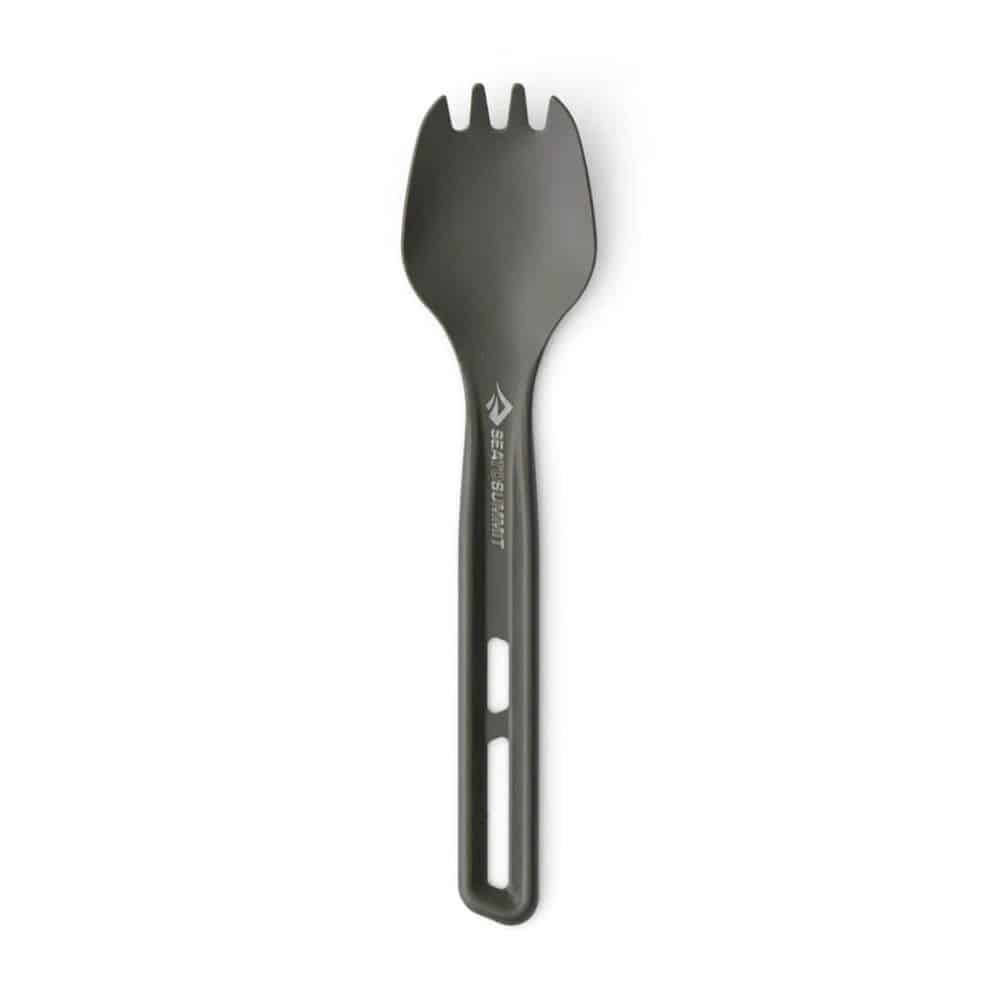
The rest are practical, everyday items: sunglasses, a compact towel, a lightweight clothesline, a reusable water bottle, a simple eating utensil, and a small first aid kit. I also carry cable locks for the rare times I need to check my bag.
None of these are complicated, but together they remove small points of friction. That’s the goal — fewer items, but better ones that consistently do the job.



Minimalist Travel Wardrobe and Carry-On Packing List Summary
If that was a lot to take in, don’t worry, I’ve collated all of it into the list below. In addition to the below, I also travel with
- my running gear for travellers – not everyone runs, so it was not appropriate to list them here; and
- technology gear I use as a digital nomad – again, not everyone travels with a laptop or drone.
If you’re neither a runner nor a digital nomad, you’ve got even more space in your travel pack.
Do you love to run while exploring new destinations?
Packing the right running gear is crucial to maintaining your routine on business or leisure trips. As a seasoned runner, I always seek the best minimalist gear to make travel runs as seamless and enjoyable as possible. Do you have any recommendations or tips for the ultimate packing list? Share your insights and help fellow runners optimise their travel kits.
Before you go, if you liked our article and found it helpful, we would appreciate it if you could share it with your friends and family via the Share buttons below. Even better: Leave a short review on Trustpilot or Google, which would help us further build our online reputation as a (trustworthy and helpful) travel and lifestyle blog.